
High-End Bridal Gowns in San Diego: What Actually Makes a Wedding Dress Luxury?
High-end bridal gowns in San Diego earn their value through thoughtful design, suitable materials, careful construction, precise fit, and refined finishing. A luxury wedding dress should bring these elements together in a way that supports the woman wearing it. Price, a designer label, or elaborate beadwork alone cannot tell you how well a gown will look, feel, or move.
The fitting room is where those differences become meaningful. You can examine the fabric, understand the structure, and discover which details you appreciate enough to invest in.
Here is what to look for, what to ask, and how to choose a gown that feels right for your style, celebration, and budget.
Start with the shapes and details that interest you: explore designer bridal gowns in our lookbook.
What Actually Makes a Wedding Dress Luxury?
A wedding dress feels exceptional when its design and workmanship serve the same purpose. The fabric suits the silhouette, the structure supports the intended shape, and the finishing feels considered wherever you look.
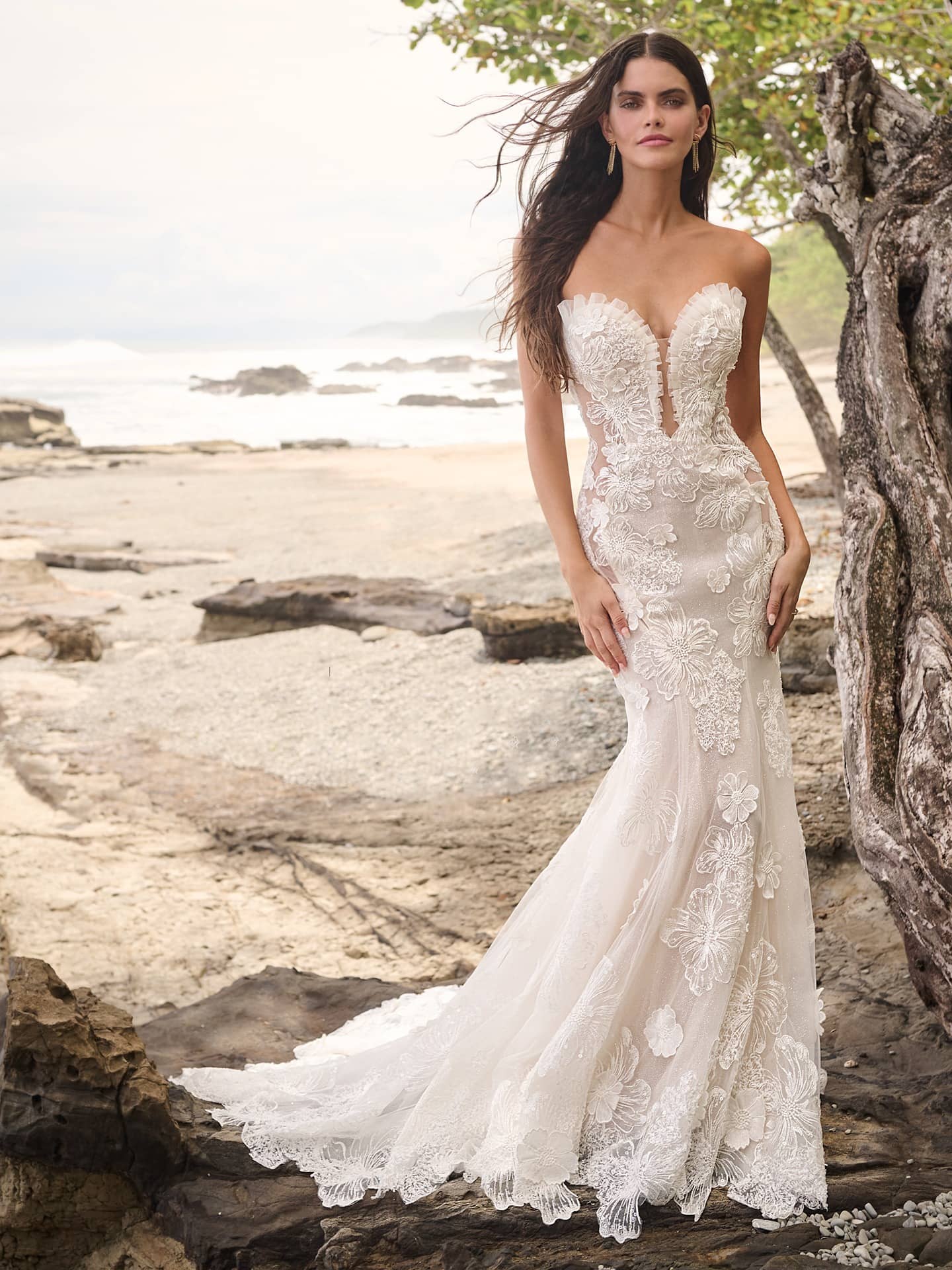
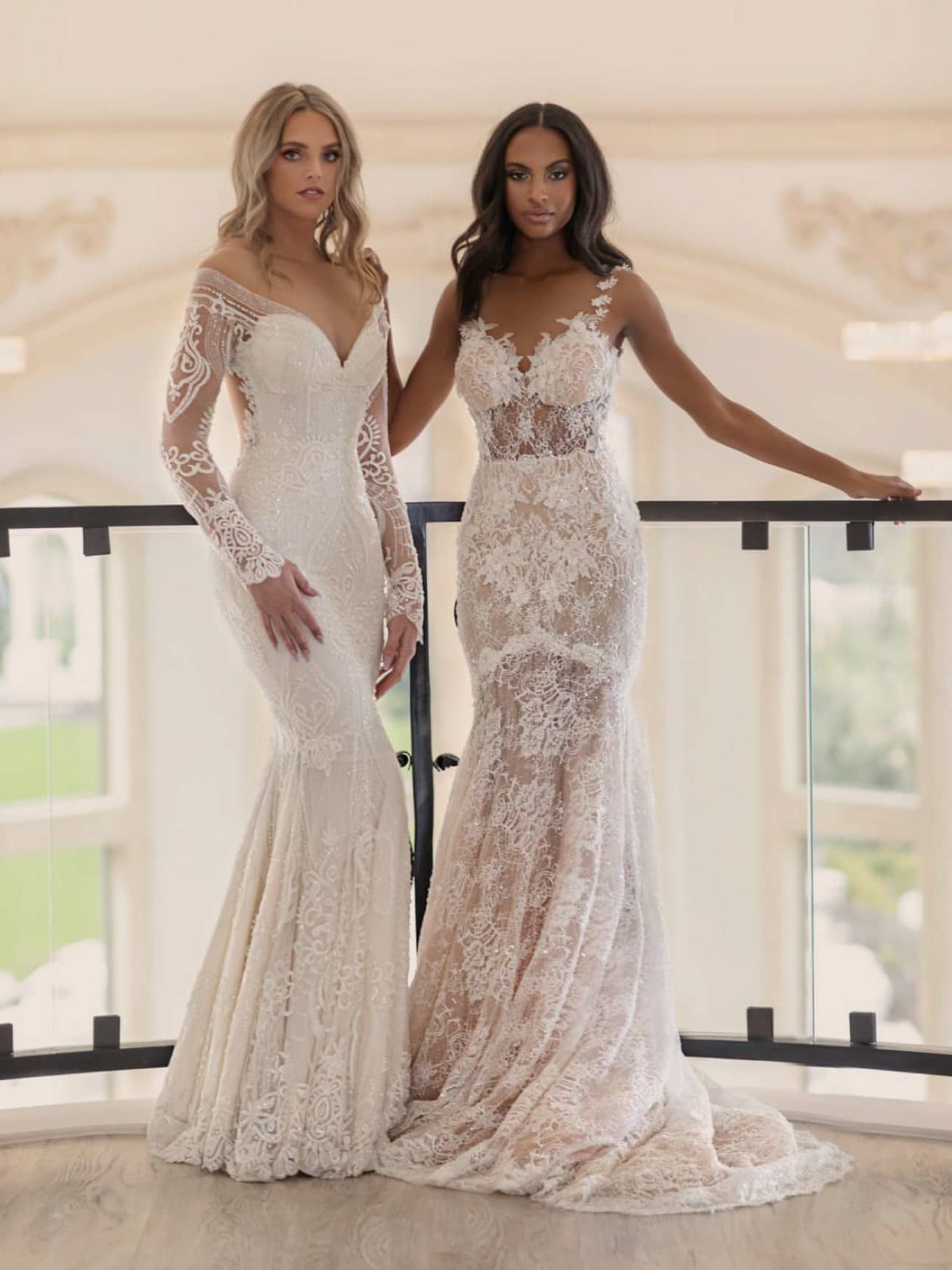
For a restrained dress, the appeal may lie in beautifully balanced proportions, an expressive neckline, or a skirt that falls without distracting bulk. In a richly embellished gown, it may be the placement of lace, the depth of embroidery, or the way decoration follows the design.
A minimalist wedding dress can require exacting workmanship. With fewer decorative elements, the cut, seams, and fabric become especially visible. An embellished gown still needs careful construction beneath its surface.
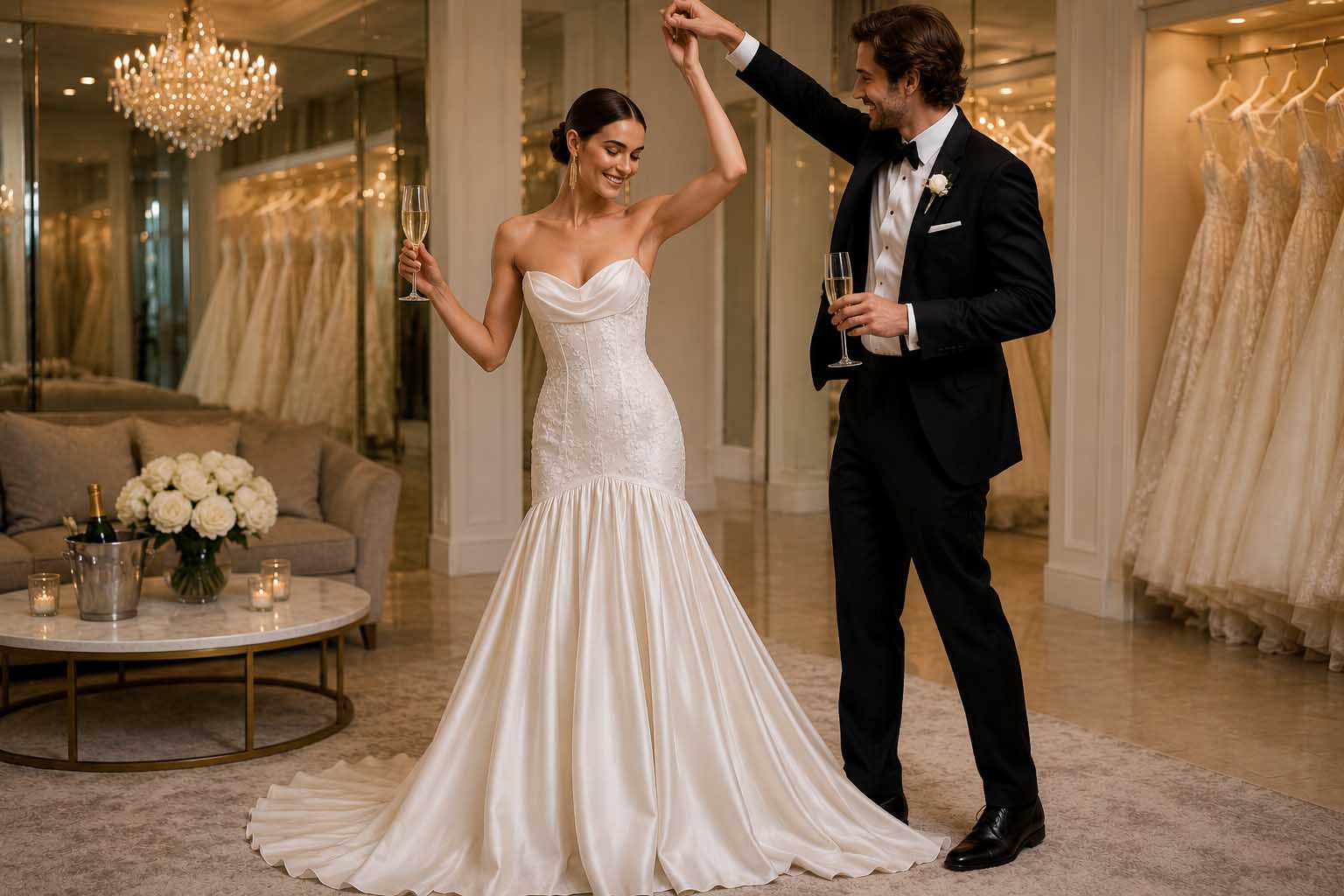
The appointment experience also matters, but it deserves a separate assessment. Attentive styling and a comfortable setting help you choose confidently. Champagne and beautiful interiors do not establish the quality of the garment.
You do not need an expensive dress to look beautiful. The useful question is whether a gown offers qualities you value at a total cost you feel comfortable accepting.
Which Fabric Details Should You Examine?
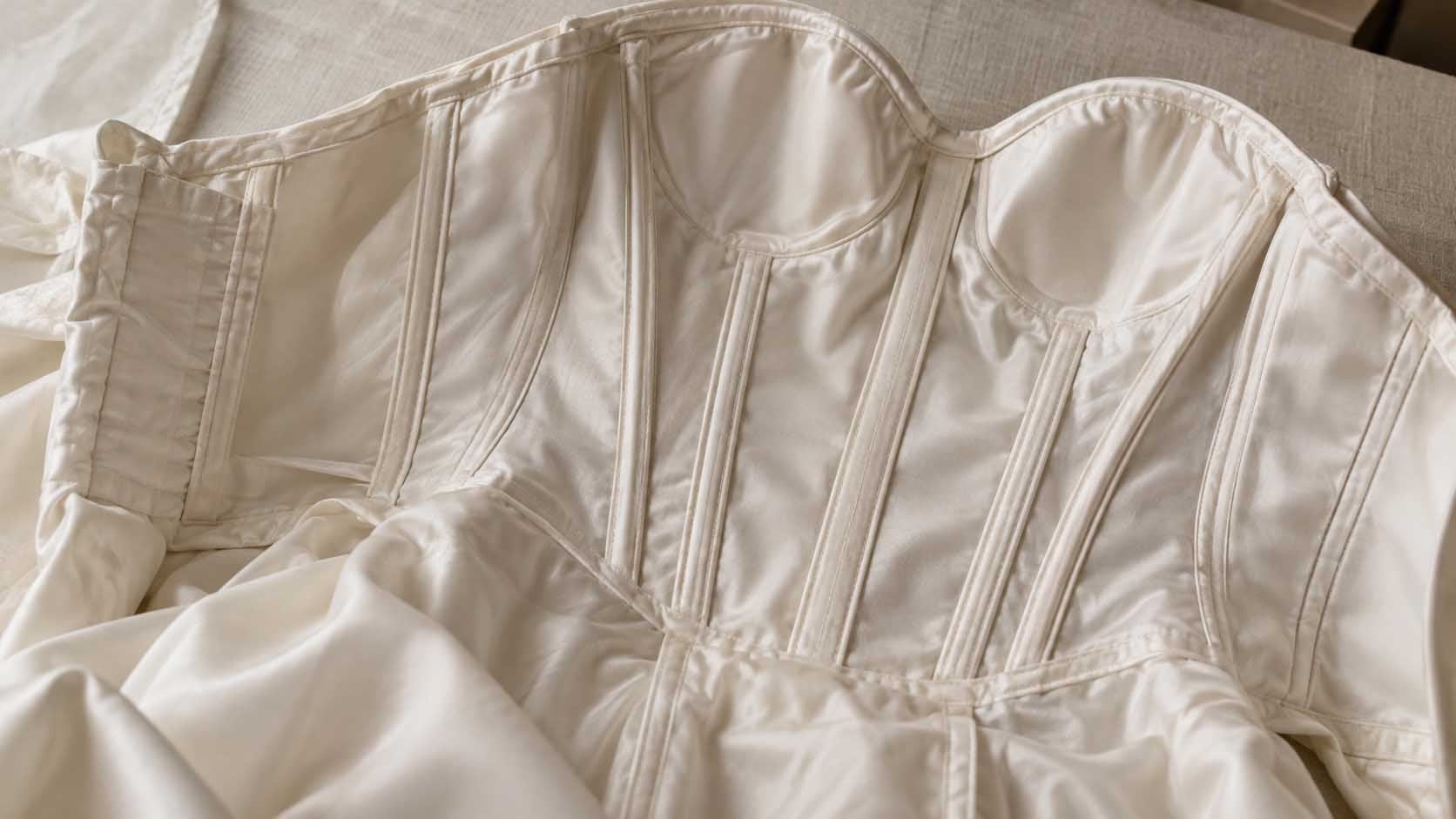
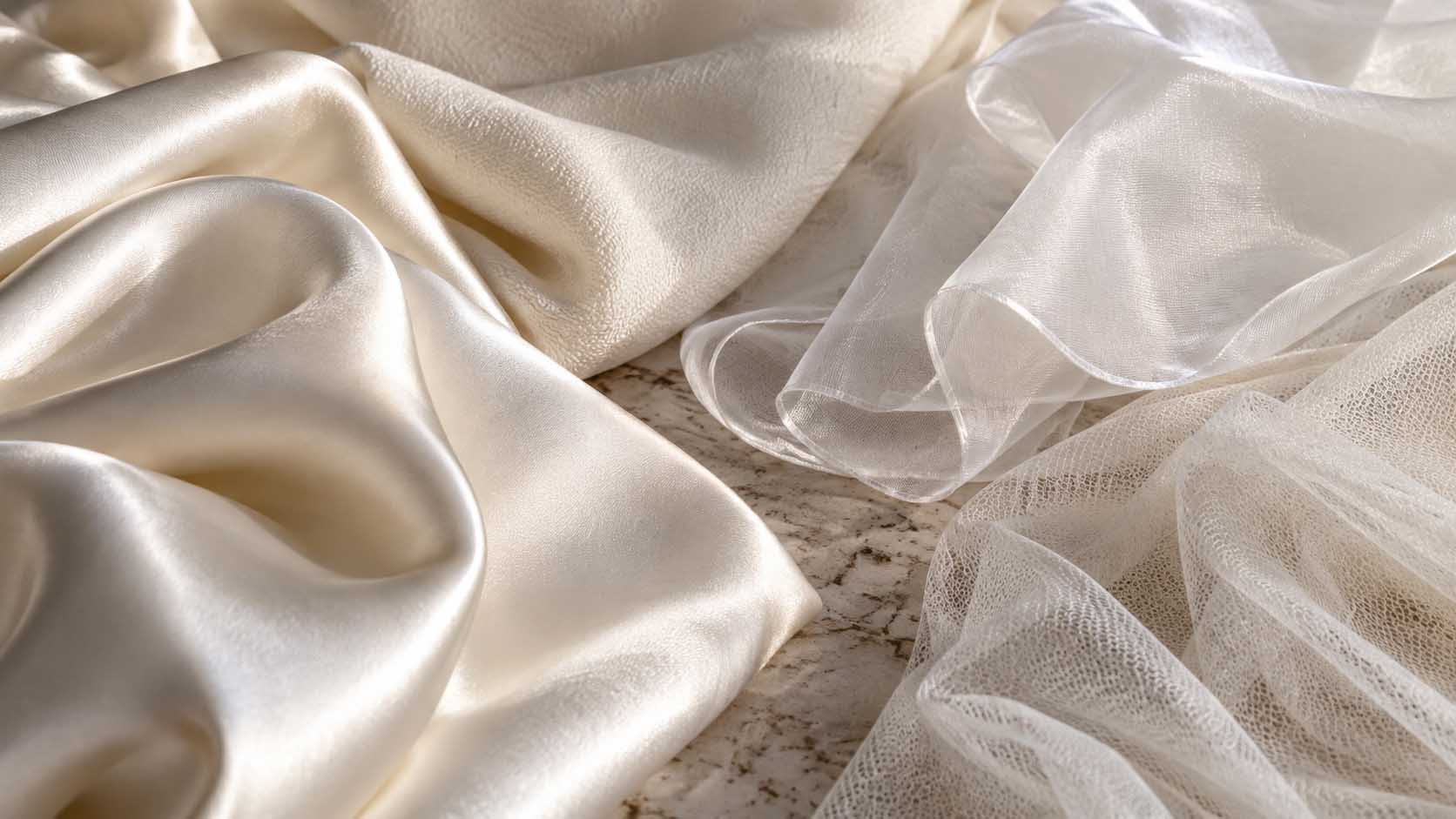
Begin with the actual material and how it behaves. Fabric names alone do not describe every quality of a finished dress.
For example, satin describes a weave rather than a fiber: it can be made from silk, polyester, or blends. BRIDES’ guide to wedding dress fabrics explains how different bridal textiles contribute distinct effects to a gown.
During your appointment, focus on five observations:
- Drape: Does the fabric fall in a way you enjoy, or feel stiff where you expected softness?
- Recovery: After sitting or moving, ask the stylist how the material typically responds to creasing.
- Surface: Look at the texture and sheen from different angles, preferably in more than one lighting condition.
- Opacity: Check the coverage of the skirt and bodice, including areas intentionally designed to be sheer.
- Feel: Notice both the outer fabric and the lining touching your skin.
A well-selected synthetic fabric can be appropriate for a beautiful, carefully made gown. Silk can offer qualities a bride loves, but the fiber name does not settle every question about suitability.
Consider two hypothetical weddings. For an outdoor coastal ceremony, you might prioritize manageable layers and a train you can handle on the route to the ceremony. For an indoor ballroom, you might enjoy a sculptural skirt and greater volume. Your preferences, schedule, and the actual gown matter more than a rigid venue rule.
Ask the stylist to explain the composition of both the outer fabric and lining. If you prefer a quieter silhouette, our sheath wedding dress collection offers a starting point for exploring line and drape.
How Does Construction Change Fit and Comfort?
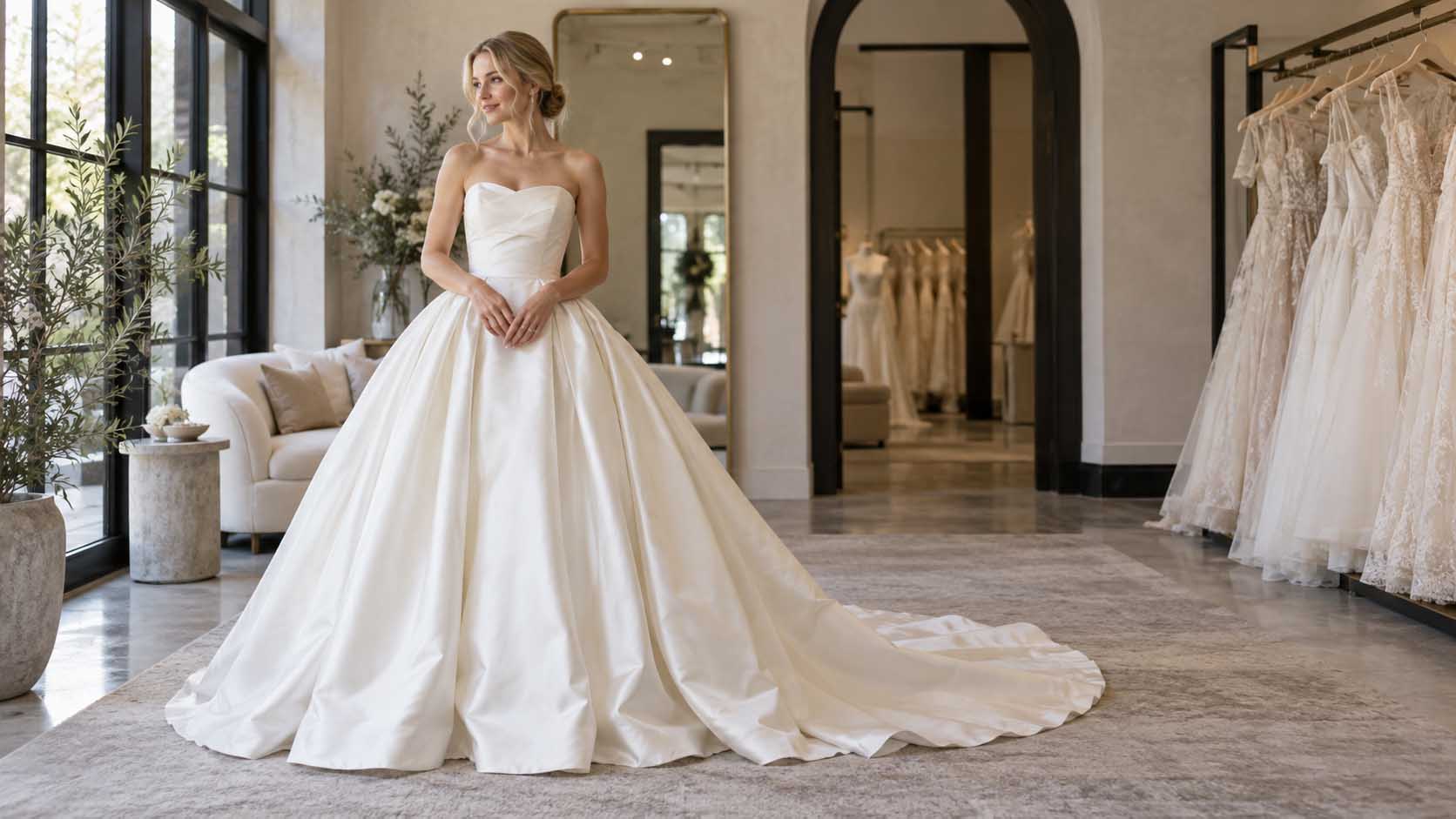
Construction determines how a gown creates its shape and how that shape interacts with your body. Much of this work is inside the dress.
In its expert-led guide to wedding dress anatomy, BRIDES explains the roles of bodice components such as lining, boning, darts, and closures. These elements contribute structure, shaping, and stability.
During an appointment, ask where the gown gets its support. Does the design rely on straps, an internal bodice, a close waist fit, or a combination? Can the team explain how the chosen size and alterations will affect that support?
More boning does not automatically mean a better dress. You may prefer a firm, sculpted feel or softer construction. Either deserves attention to comfort.
With your stylist’s guidance, walk, turn, sit, and gently lift your arms. Notice whether you repeatedly adjust the neckline, feel pressure in one area, or struggle to take the steps you need.
A clipped sample provides an approximation. Clips can help you understand the shape, but they cannot reproduce every aspect of a correctly sized, altered gown. Before purchasing, discuss what the sample demonstrates and what still depends on ordering and fittings.
Which Finishing Details Are Worth Paying Attention To?
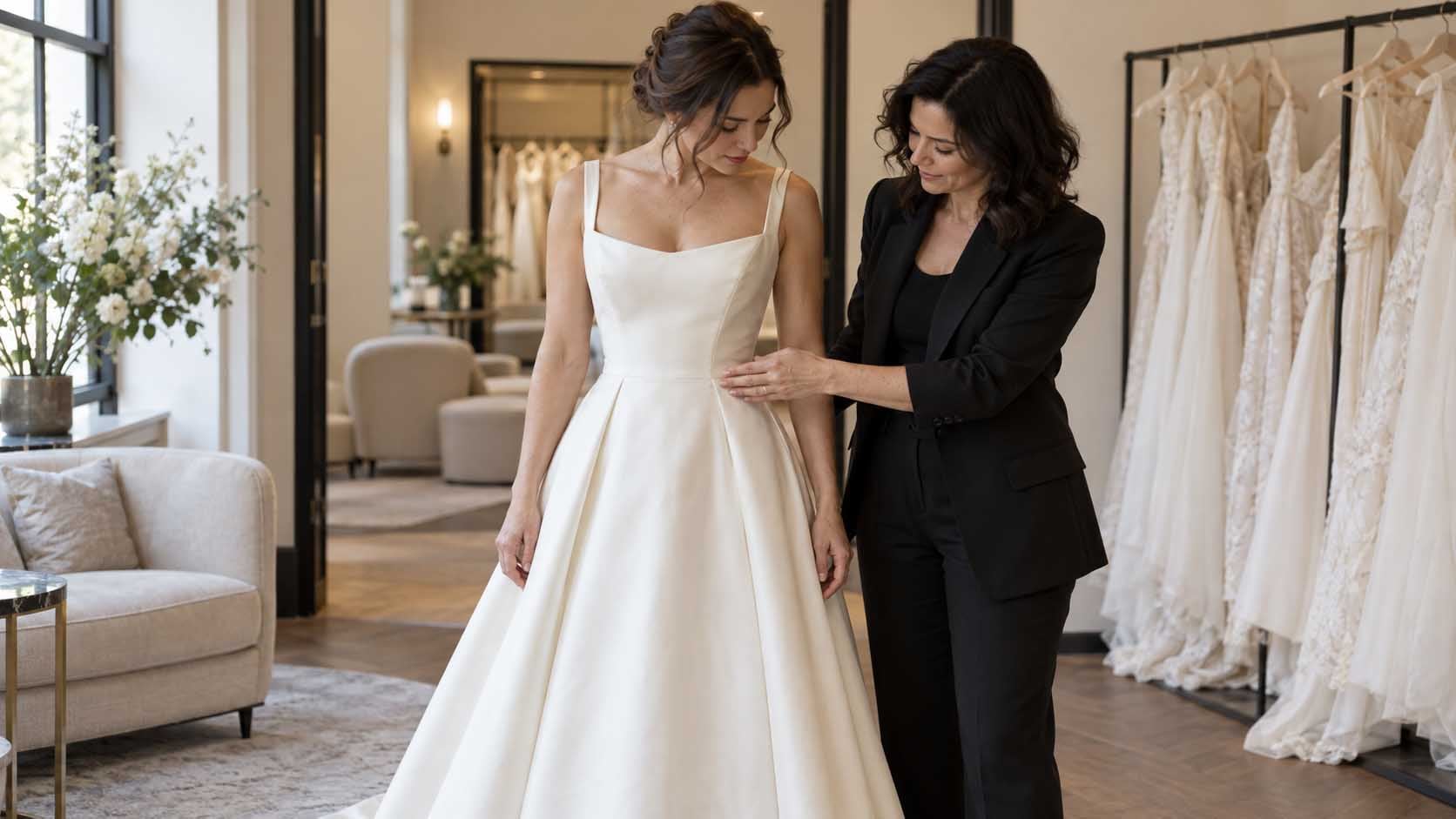
Look for finishing that suits the material and feels intentional. Secure embellishment, comfortable edges, and carefully handled seams deserve as much attention as the front of the dress.
Ask your stylist to show you the inside without pulling at delicate details yourself. Notice whether an edge scratches, a loose thread needs attention, or a lining catches as you move.
A sample may show wear from appointments. Ask how its condition differs from the gown you would receive.
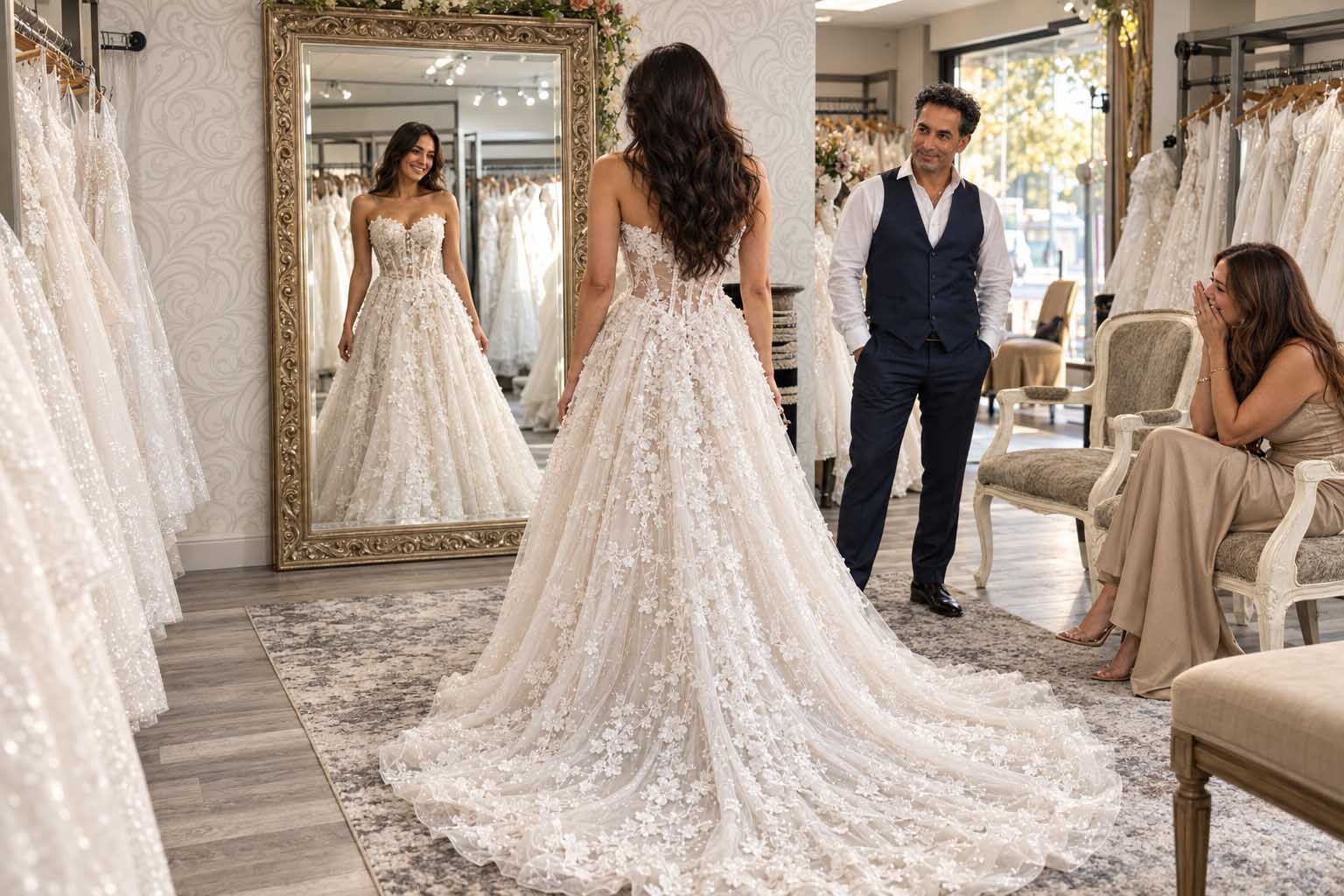
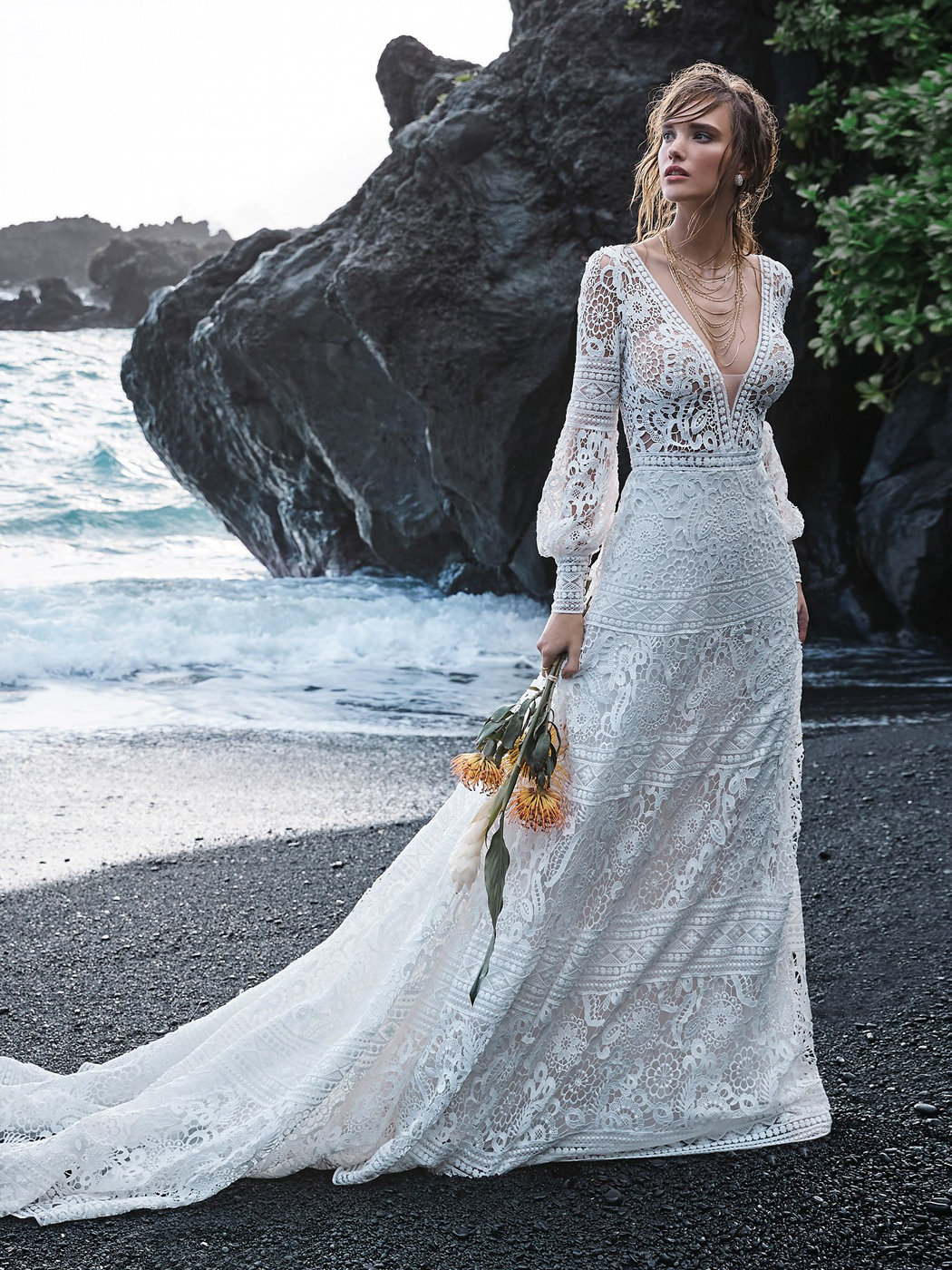
Lace placement deserves a closer look. Motifs might frame a neckline, follow a waist seam, or flow into a train. Consider how the placement contributes to the complete design.
Handwork can bring artistry and additional labor. Machine stitching can provide precision and consistency. Ask what was done by hand and what that contributes to the finished piece.
A documented example appears in British Vogue’s account of an Alexander McQueen dress, which describes printed silk panels being cut, hand sewn, and fitted as part of the design process. It illustrates a specific relationship between material, technique, and shape; it is not a description of every luxury bridal gown.
Call Now

Designer, Made-to-Order, Made-to-Measure, Custom, and Couture: What Is the Difference?
These terms describe different aspects of a gown’s design or production. They do not create a universal ranking of quality, and their use varies by bridal house.
| Term | Usual meaning | Likely personalization | Question to ask |
|---|---|---|---|
| Designer | A gown created under a designer or fashion label | Depends on the collection and policies | “Which changes are permitted for this design?” |
| Made-to-order | Production begins after the order is placed | Often a selected standard size, color, and available options | “Is this made in a standard size or to my measurements?” |
| Made-to-measure | An established design or pattern is adjusted using individual measurements | Measurement-based adaptation within the maker’s process | “Which measurements and fittings are included?” |
| Custom | A design is developed or substantially adapted for the client | Can range from selected changes to a new design | “Are we modifying an existing gown or creating a new one?” |
| Couture | Often describes an emphasis on skilled dressmaking, detailed construction, and handwork | Varies; the term alone does not establish a bespoke service | “What construction, handwork, and fitting process does this include?” |
Made-to-order does not necessarily mean made to your measurements. A designer gown can still require alterations, and a custom gown still needs clear specifications.
Formal French Haute Couture has a particular designation history, explained by the Fédération de la Haute Couture et de la Mode. The word “couture” in bridal marketing should not be taken as proof of that status.
If you are considering a more individual design, read about our custom wedding dress options in San Diego and ask which process fits your wedding date.
How Much Should You Budget for the Complete Bridal Look?
Set a total bridal budget before deciding how much to spend on the gown. The dress price may be only one part of the amount you will pay.
At Bridal & Tuxedo Galleria, in-house alteration fees are separate from the dress cost. Request an estimate for your chosen gown and discuss what could change once fittings begin.
Use this worksheet to build a complete quote:
| Budget item | What to confirm |
|---|---|
| Gown | Exact design, size, color, price, and deposit |
| Alterations | Estimated scope, fittings, hem, bodice adjustments, and bustle |
| Design changes | Approved modifications, price, and effect on delivery |
| Veil and accessories | Items you intend to purchase and their individual prices |
| Shoes and undergarments | Pieces needed for the final fit and desired coverage |
| Tax and delivery | Applicable charges and collection or shipping arrangements |
| Rush services | Whether needed, available, and separately charged |
| Appointment services | Any selected appointment fee and current credit policy |
There is no useful single dollar threshold that proves a dress is luxury. Greater complexity, specialist labor, materials, and design development can affect the price, but the value still depends on your priorities.
For broader purchase comparisons, see our guide to affordable versus luxury wedding dresses. Compare the written scope of each option rather than assuming everything is included.
Where Is Additional Spending Most Useful?
Evaluate an upgrade through three questions:
- Can I identify the difference? Name the benefit: preferred fabric, a design detail, more individual fitting, or something else.
- Will it matter during my wedding? Consider the ceremony, photographs, dinner, and dancing.
- Does the complete quote still fit my budget? Include the alterations and extras you expect to need.
As a hypothetical example, you might value a removable detail that changes your reception look more than additional beadwork. Another bride may consider intricate embroidery the feature that makes her gown personal.
Spend on differences you will appreciate.
How Can You Evaluate High-End Bridal Gowns in San Diego During an Appointment?
Compare your favorite gowns using the same seven checks. This keeps the decision grounded in the dress you would actually wear.
- Fabric and lining: Confirm composition, coverage, feel, and care considerations.
- Bodice support: Identify how the gown stays in place and where adjustment may be needed.
- Finishing: Examine seams, edges, lace, and embellishment with your stylist.
- Movement and sitting: Try the ordinary movements your celebration will require.
- Alteration feasibility: Confirm which changes are realistic before relying on them.
- Total quote: Separate the gown price from other expected charges.
- Timeline: Allow for ordering, arrival, fittings, and any travel before the wedding.
Use these questions to make the conversation more specific:
| Feature | What to check | Why it matters | Question to ask |
|---|---|---|---|
| Lining | Feel and coverage against the body | Affects the wearing experience | “Can the lining be changed, and what would that involve?” |
| Bodice | Stability, pressure, and neckline behavior | Helps identify support and fitting needs | “How will this fit differ in my ordered size?” |
| Seams and edges | Smoothness, bulk, and contact with skin | Reveals areas worth discussing | “Is this finish part of the design or sample wear?” |
| Decoration | Placement and secure attachment | Influences appearance and handling | “Which details can be altered without changing the design?” |
| Skirt and train | Stride, sitting, and train management | Connects the gown to your actual day | “What are the bustle options for this train?” |
| Modifications | Scope, approval, and cost | Clarifies what can realistically change | “Can you confirm this modification before I order?” |
| Delivery | Expected arrival and fitting schedule | Helps protect time for necessary adjustments | “What happens if the gown arrives later than expected?” |
A short note after each try-on can help: “Loved the neckline; sitting felt tight; ask about bodice adjustment.” That is more useful than assigning the gown a luxury score.
To compare fabrics, silhouettes, and fitting possibilities in person,  book your bridal appointment.
Where Does Navid Noor’s Design Perspective Fit Into Your Search?
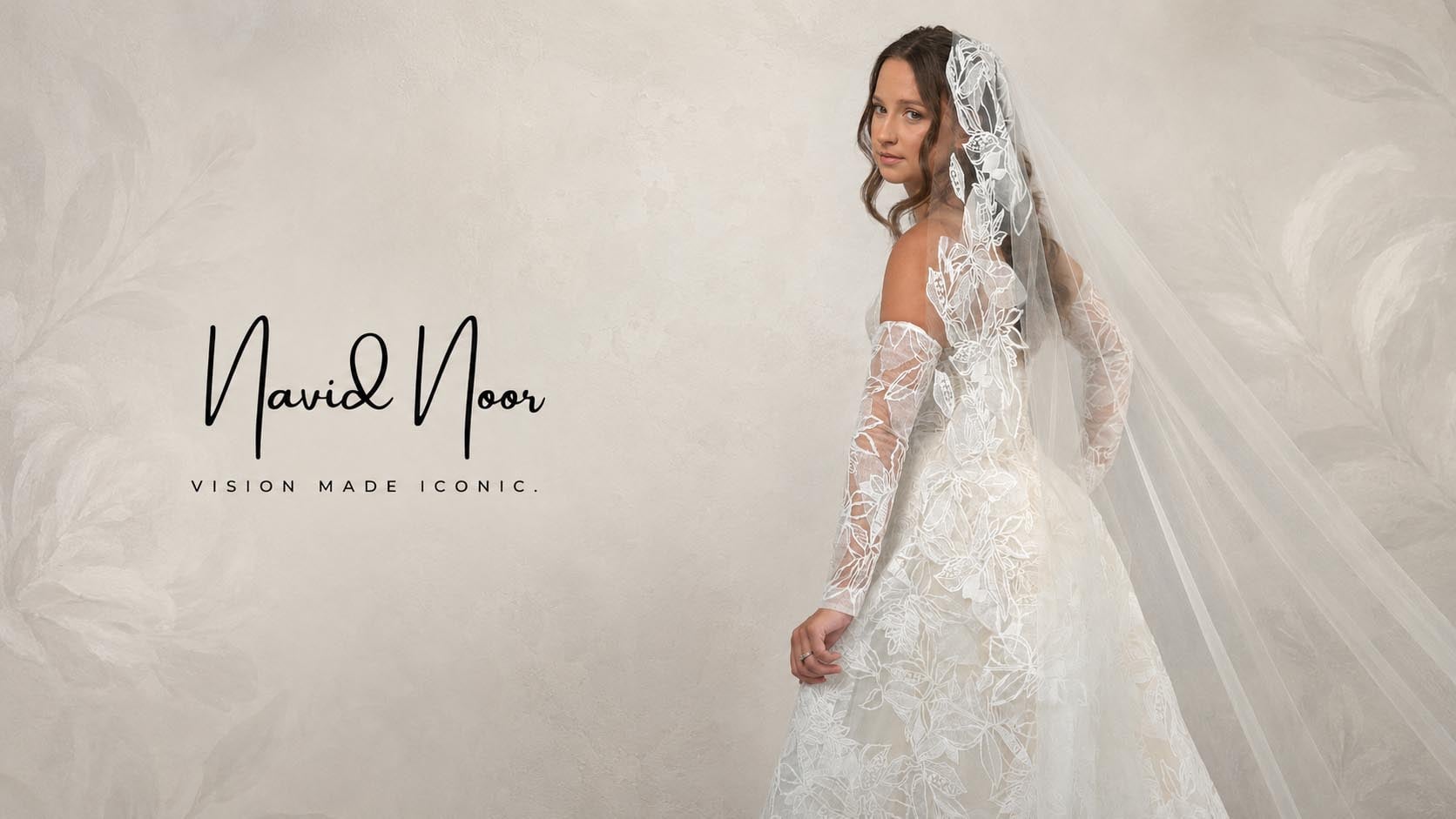
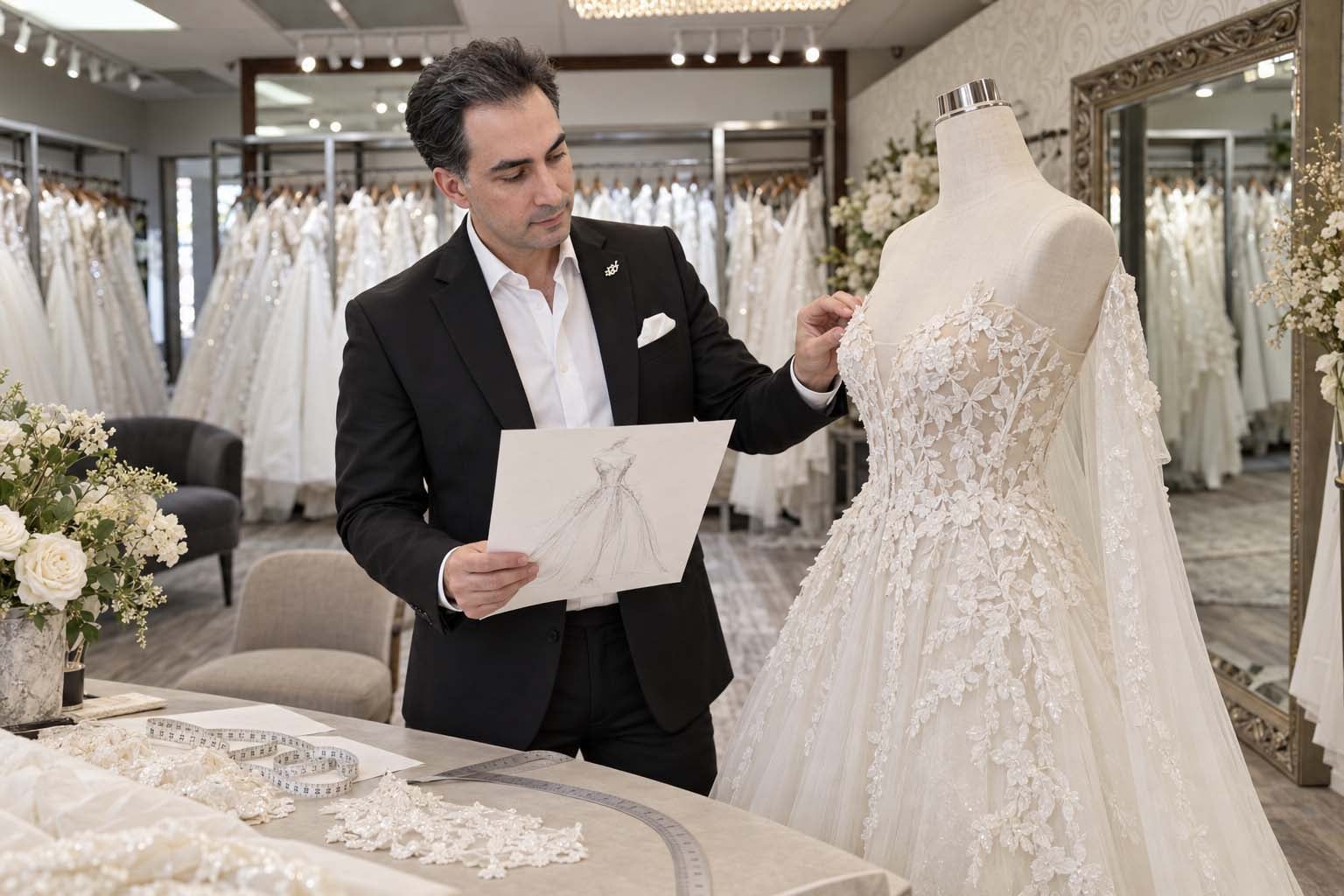
Navid Noor is Bridal & Tuxedo Galleria’s owner and head designer. His Navid Noor Collection is available exclusively through the boutique, and the brand identifies Lumière as his couture collection.
For a bride, that design perspective offers a way to discuss how proportion, silhouette, and detail relate. A neckline can change the impression of a bodice; waist placement can change the balance of a skirt.
The boutique’s published silhouette guide discusses detachable sleeves and removable overskirts as possibilities, depending on the gown and wedding timeline. Treat these as options to explore, rather than features promised on every design.
Ask the team which collection pieces are available to try, what can be personalized, and how designer involvement is arranged for your selected service. Navid’s presence at an individual appointment should be confirmed.
Learn more about Navid Noor and the designer-led bridal experience.
What Should You Ask Before Booking a San Diego Bridal Appointment?
Share your wedding date, venue, intended gown budget, preferred styles, and any comfort or coverage priorities. Ask about the current samples that would help you compare those options.
If personalization interests you, mention it before booking. The team can help identify the appropriate appointment and discuss realistic production expectations.
Bridal & Tuxedo Galleria offers one-on-one bridal styling. Brides seeking additional privacy, time, and an elevated experience may inquire about the Princess Bridal Appointment, subject to availability. Confirm its current duration, fee, guest arrangements, and inclusions before reserving.
Frequently Asked Questions
What Should I Bring to a Bridal Appointment?
Bring a few inspiration images, your wedding details, and a clear budget. Ask the boutique about recommended undergarments and whether to bring shoes. Choose guests whose feedback helps you express your own preferences, within the appointment’s current guest limit.
How Early Should I Order a Designer Wedding Dress?
BTG’s booking guidance recommends ordering approximately six to nine months before the wedding. Confirm the schedule for your selected designer, modifications, shipping, and alterations; a custom project may require a different timeline.
Can I Shop If My Wedding Is Only a Few Months Away?
Yes, but tell the boutique your exact date before the appointment. Ask which current samples, available gowns, or approved rush options could realistically work. Leave time for alterations and confirm any additional charges.
Do I Need a Custom Dress to Get a Beautiful Fit?
No. An existing designer gown with appropriate sizing and skilled alterations may achieve the fit you want. Consider custom design when your vision needs a different design approach, rather than assuming it is necessary for every bride.
How Should I Compare Gowns When the Samples Fit Differently?
Ask the stylist to explain how each sample differs from your likely ordered size. Compare proportions and intended design while noting what clipping cannot demonstrate. Discuss unresolved support or alteration questions before making your choice.
Does a More Expensive Dress Automatically Mean Ethical Production?
No. Price alone does not establish sourcing, labor practices, or environmental performance. If those factors matter to you, ask for specific, documented information about the designer and gown.
How Do I Choose Between a Standard and Princess Appointment?
Choose according to the shopping experience you want. A standard appointment provides stylist guidance; the Princess option is intended for additional privacy, time, and an elevated experience. Ask about current services and fees so you can select the appointment that suits you.
Find the Gown Whose Details Feel Right to You
Bring your questions to the fitting room. Compare the fabric, understand the structure, and take time to notice how you move. Choose the gown whose design, fit, and complete purchase plan work for you.
Visit Bridal & Tuxedo Galleria at 4242 Camino del Rio North, Suite 14, San Diego, CA 92108, or call (619) 281-4696.
Book Your Bridal Appointment and ask about the Navid Noor Collection, custom-design options, or a Princess Appointment.

Author bio :
Kayla brings more than 10 years of hands-on experience in bridal fashion and boutique styling, specializing in personalized bridal consultations and luxury client experiences. As the manager of the San Diego location of Bridal and Tuxedo Galleria, she is known for her keen eye for detail, deep understanding of couture wedding dress design, and ability to guide brides toward a gown that reflects their unique vision and wedding aesthetic. Her approach blends fashion expertise with genuine care, ensuring every bride feels confident, understood, and unforgettable on her wedding day
Call Now
Your Personalized Wedding Dress Shopping Experience in San Diego With over 30 years of styling expertise, our dedicated team is passionate about helping you find the perfect wedding dress and tuxedo.

Leave a Reply