

Designer Gown Alteration: Can a Designer Gown Be Altered Without Losing Its Shape?
Designer Gown Alteration is often the final step that transforms a beautiful dress into a perfectly fitted masterpiece. Designer gowns are created with exceptional attention to detail, luxurious fabrics, and carefully engineered silhouettes that enhance the body’s natural lines. However, even the most exquisite couture dress may not fit perfectly straight off the rack. Every individual has unique body proportions, which means adjustments are often necessary to achieve the refined, tailored look that luxury fashion is known for.
Many people worry that altering a high-end dress could damage its structure or compromise the original design. This concern is understandable. Designer gowns frequently feature intricate construction elements such as internal corsetry, layered linings, boning, delicate lace overlays, or hand-stitched embellishments. These structural components work together to create the gown’s shape, movement, and balance. Because of this complexity, designer gown alteration requires far more precision and expertise than standard clothing alterations.
At Bridal & Tuxedo Galleria, alteration work is approached with the same level of precision and care that luxury gowns require. With decades of experience serving brides and formalwear clients in Southern California, the boutique has built a reputation for understanding the structure and artistry behind designer garments. Their alteration specialists regularly work with couture fabrics, intricate lace patterns, structured bodices, and layered gowns, ensuring that every adjustment maintains the original design integrity of the dress.
This level of expertise reflects Bridal & Tuxedo Galleria’s commitment to delivering not only beautiful gowns but also professional guidance and craftsmanship. By combining industry experience, specialized tailoring knowledge, and an understanding of designer construction, the team ensures that each gown is fitted with exceptional attention to detail. For brides and clients investing in luxury fashion, this experience and trusted reputation help guarantee that designer gown alteration enhances the garment while preserving the elegance envisioned by the designer.
Understanding the Structure of Designer Gowns
Designer gowns are constructed very differently from everyday dresses. Luxury fashion pieces are engineered with precision, using multiple layers, structural techniques, and specialized fabrics to achieve a refined silhouette. Because of this complexity, designer gown alteration requires far more expertise than standard clothing adjustments.
Every element inside a couture gown works together to create balance, support, and shape. When performing designer gown alteration, a professional tailor must carefully analyze how the internal construction interacts with the outer design. Alterations must follow the architecture of the dress so that the original silhouette and elegance remain intact.
Built-In Corsetry and Structural Support
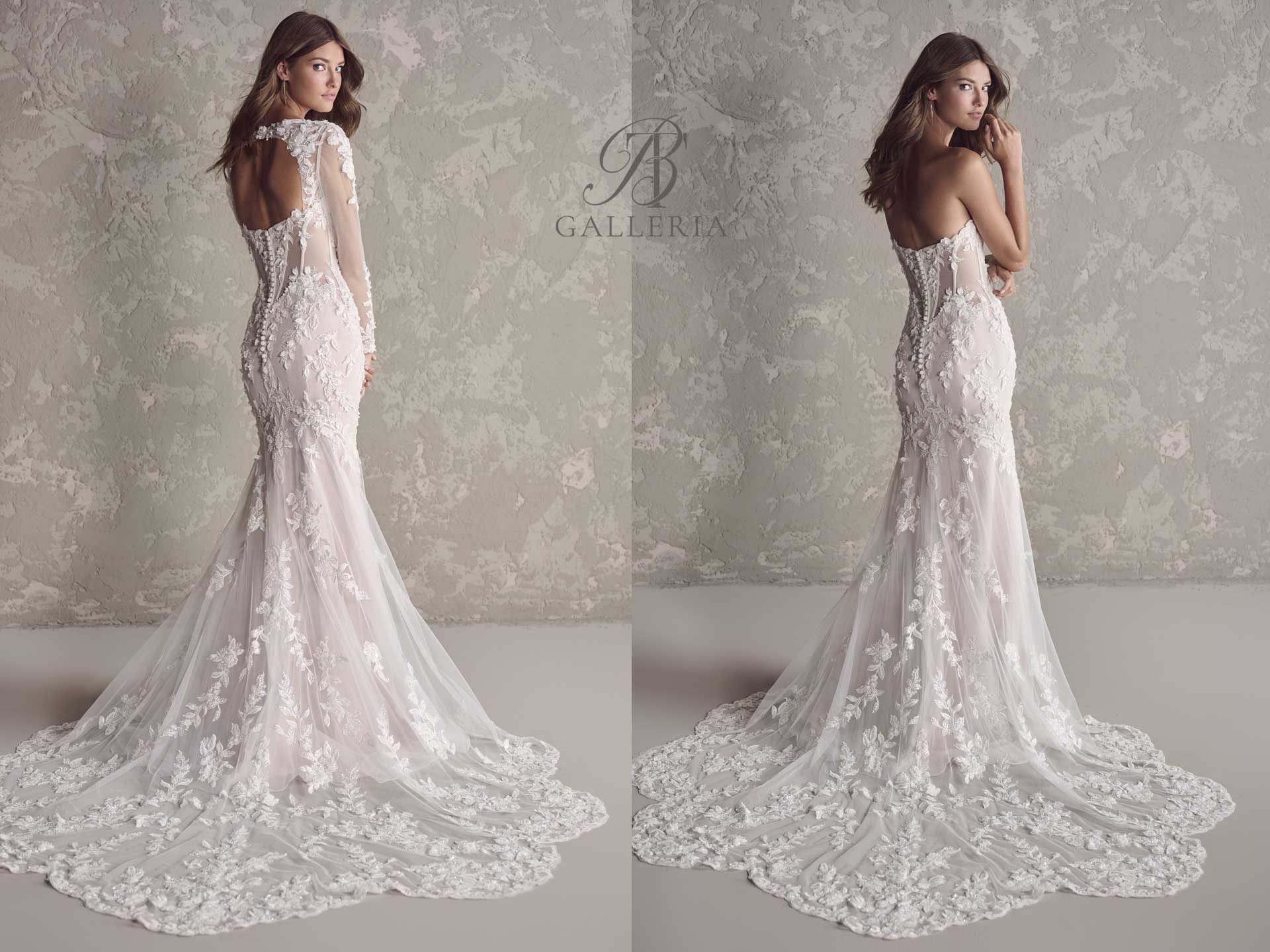
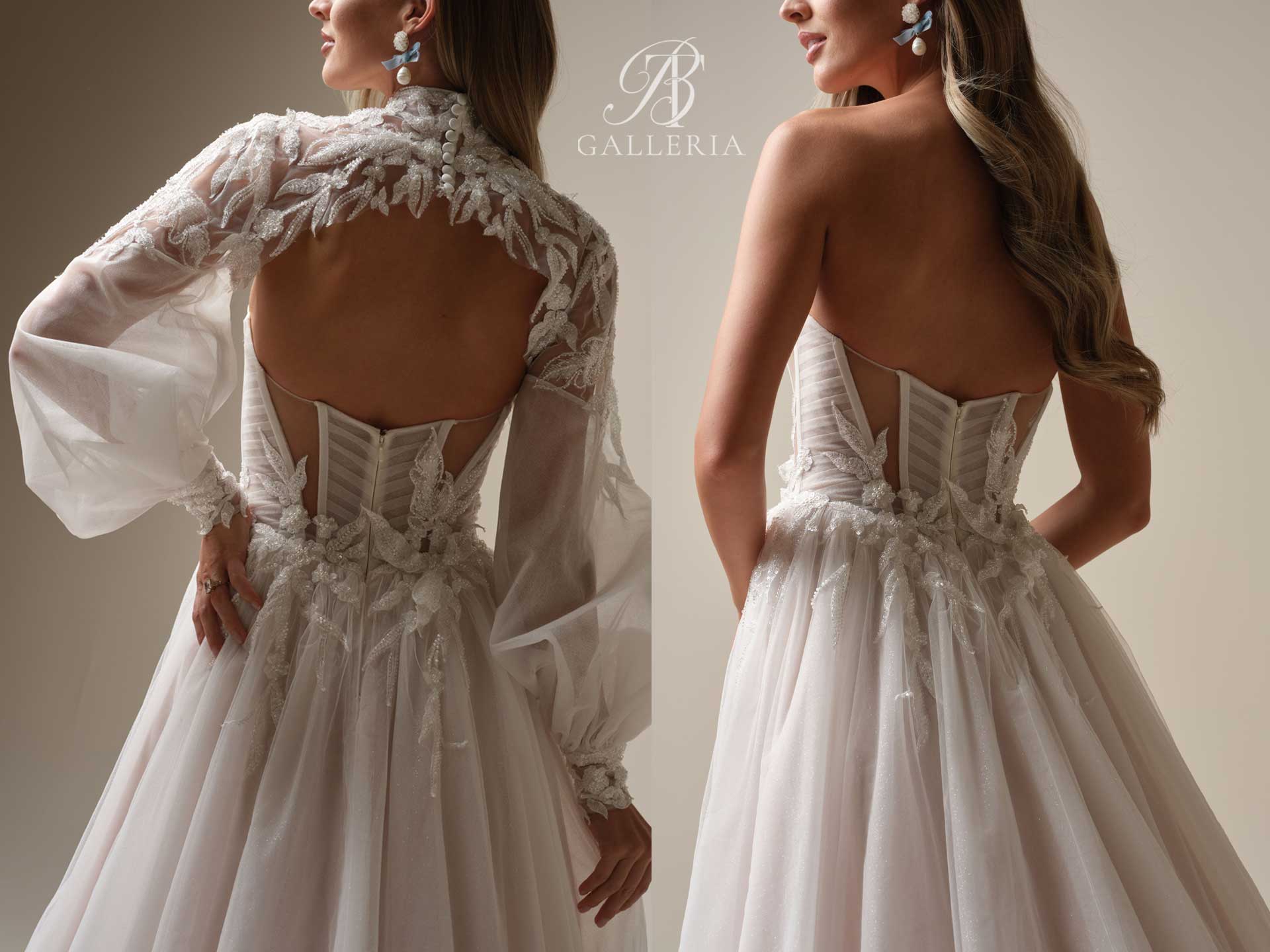
Many designer gowns include built-in corsetry within the bodice. This internal structure shapes the torso, provides support, and helps maintain the intended fit of the gown. Corsetry often includes reinforced seams and structural layers that define the waistline and support the bust.
During designer gown alteration, adjustments to the bodice often involve working with both the corset structure and the outer fabric. Skilled alteration specialists carefully modify these layers so that the gown maintains its form while fitting comfortably and securely.
Horsehair Hems for Volume and Movement
Luxury gowns frequently use horsehair braid along the hemline to create dramatic volume and fluid movement. This technique is especially common in ball gowns, mermaid dresses, and couture evening gowns.
When performing designer gown alteration, hemming a gown with horsehair requires careful handling. The braid must be repositioned and resewn precisely so the skirt retains its original shape, fullness, and elegant movement.
Multiple Lining Layers
Designer dresses often contain several lining layers beneath the outer fabric. These layers provide structure, improve comfort, and help the gown maintain a smooth drape.
During designer gown alteration, tailors may need to adjust each internal layer individually. Altering only the outer fabric without adjusting the internal linings can distort the gown’s shape or create uneven tension in the garment.
Boning That Shapes the Bodice
Boning is commonly used in couture gowns to reinforce the bodice and maintain the dress’s structure. These flexible yet supportive strips are placed within channels inside the gown to help sculpt the body and support fitted designs.
A professional performing designer gown alteration must understand how boning is positioned within the garment. Adjustments to the waist, bust, or torso require careful repositioning of boning channels so the dress continues to provide proper support.
Hidden Seams and Hand Stitching
Many luxury gowns feature hidden seams and hand-finished stitching that allow designers to achieve clean lines and delicate detailing. These seams are often strategically placed to shape the gown without disrupting the visible design.
During designer gown alteration, specialists frequently use these existing seams to refine the fit. By working within the garment’s original construction, they can adjust the gown while preserving the designer’s intended silhouette.
Specialty Couture Fabrics
Designer gowns are typically crafted from high-end materials such as silk organza, chiffon, lace overlays, satin, and delicate tulle. Each of these fabrics behaves differently when cut, stitched, or pressed.
Because of this, designer gown alteration requires specialized knowledge of fabric behavior. Expert tailors understand how to work with delicate materials without damaging them or altering their natural drape.
Why Understanding Structure Is Essential
For example, adjusting the waistline of a couture dress may require modifying multiple hidden layers, repositioning boning, and aligning lace patterns so the design remains seamless. These complex adjustments illustrate why designer gown alteration must follow the architectural design of the garment.
By respecting the internal construction of the gown, skilled alteration specialists ensure that the dress remains balanced, elegant, and true to the designer’s vision while achieving a flawless fit for the wearer.
Why Designer Gowns Often Need Alterations
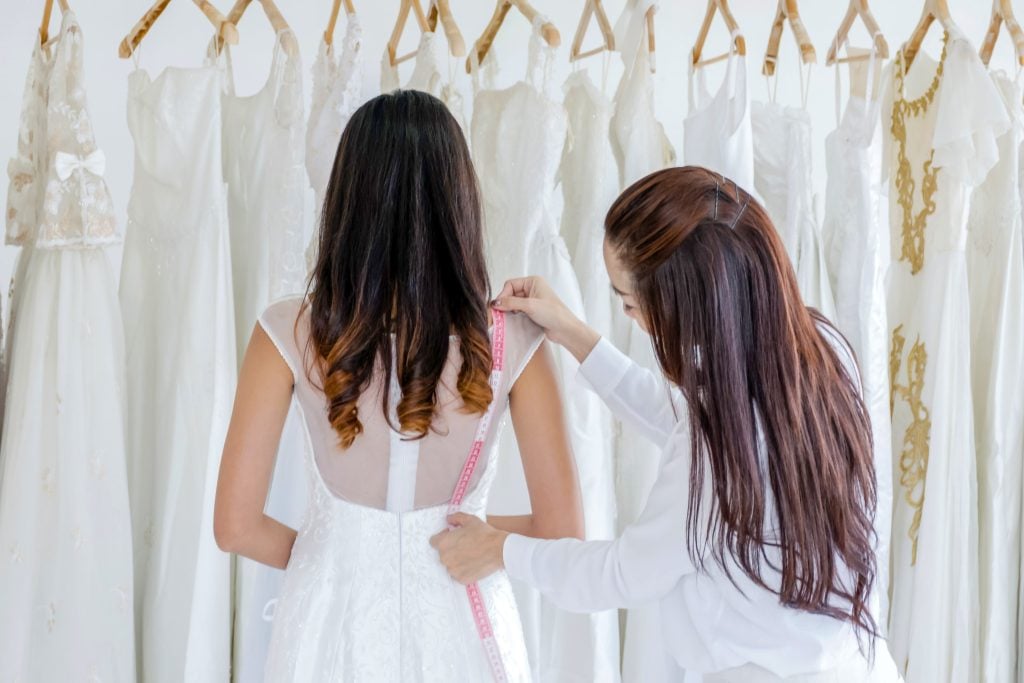
Even when purchasing a luxury dress from a high-end designer boutique, alterations are extremely common. Designer gowns are typically produced according to standard fashion sizing, but the reality is that every individual body is unique. Differences in height, torso length, shoulder width, and body proportions mean that even the most beautiful couture gown may need adjustments to achieve the perfect fit. This is where designer gown alteration becomes essential.
At luxury bridal and eveningwear boutiques such as Bridal & Tuxedo Galleria, alterations are considered a normal and important part of the gown experience. With decades of experience working with designer gowns and couture dresses, the team understands that tailoring a gown to the wearer is what truly allows the garment to shine. The goal of professional designer gown alteration is not to change the designer’s vision but to refine the fit so the dress complements the individual wearing it.


Achieving a Perfect Fit
Luxury fashion is designed to look effortless, elegant, and precisely fitted. However, achieving that flawless appearance often requires minor adjustments after the gown is purchased. Even a small change in the waist, bust, or shoulders can dramatically improve how a gown fits and moves.
At Bridal & Tuxedo Galleria, experienced alteration specialists carefully analyze the structure of each gown before making adjustments. Their expertise in designer gown alteration allows them to refine the fit while preserving the original silhouette, ensuring that the gown looks as though it was custom made for the wearer.
Adapting the Dress for Unique Body Proportions
Two people wearing the same dress size can still have completely different body proportions. One person may have a longer torso, while another may have broader shoulders or a different hip shape. Because designer gowns are created based on standardized sizing, tailoring is often necessary to accommodate these natural variations.
Through professional designer gown alteration, the gown can be adjusted to suit the wearer’s individual proportions. Skilled tailors modify seams and internal structures so the gown sits correctly on the body, creating a balanced and flattering appearance.
Adjusting the Length of the Gown
One of the most common alterations for evening gowns and wedding dresses is hemming. The length of the gown must match the wearer’s height and the specific shoes they plan to wear.
At Bridal & Tuxedo Galleria, alteration specialists frequently perform precise hemming on couture gowns that include multiple layers, lace edges, or horsehair hems. Their experience in designer gown alteration ensures that the gown’s original shape and movement remain intact even after the length is adjusted.
Refining the Silhouette
Some clients may want subtle refinements that enhance the gown’s silhouette. This might include slightly shaping the waistline, adjusting the neckline, improving bust support, or refining the straps.
These adjustments require technical expertise, particularly with designer gowns that contain internal structures such as boning, corsetry, or delicate fabrics. Through careful designer gown alteration, specialists can enhance the gown’s fit while maintaining the elegance and craftsmanship intended by the designer.
Ultimately, these adjustments allow the gown to complement the wearer’s body while preserving the original design. When performed by experienced professionals such as the team at Bridal & Tuxedo Galleria, designer gown alteration transforms a beautiful dress into a perfectly tailored garment that reflects both the designer’s artistry and the wearer’s individuality.
Alterations That Require Special Expertise
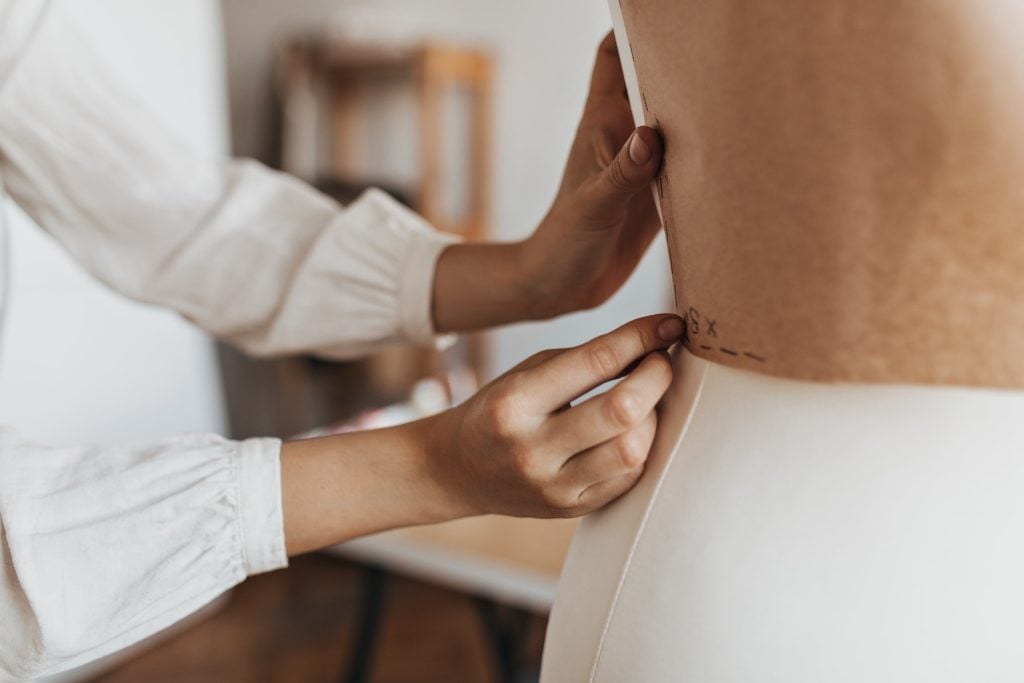
Some types of designer gown alteration require advanced tailoring skills due to the complexity of the design.
Lace Overlay Adjustments
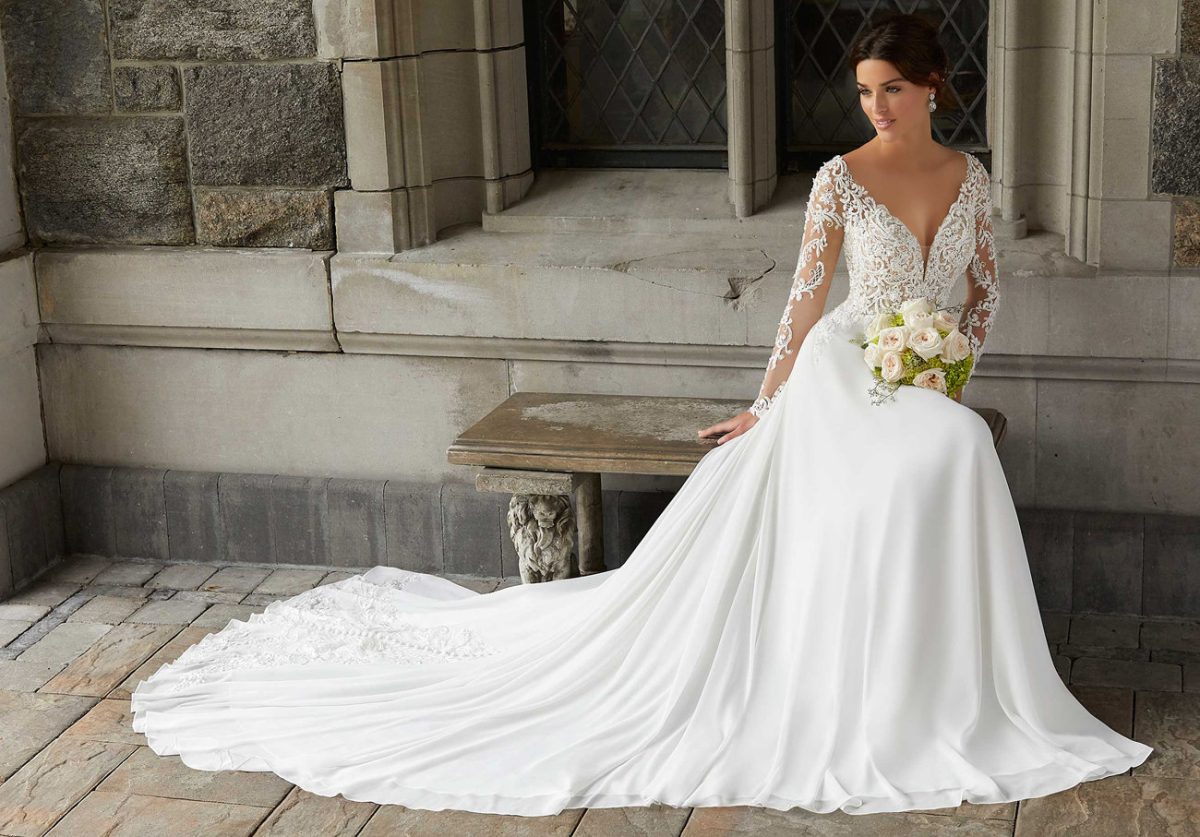
Many couture gowns include intricate lace patterns. When altering these gowns, the lace must be repositioned so the pattern remains continuous and natural.
Structured Corsetry Changes
Corset-based gowns contain boning and structural layers. Adjustments must preserve these elements to maintain proper support.
Beaded or Embroidered Fabric
Gowns with heavy beadwork or embroidery require hand-removal and reattachment of decorative elements during alterations.
Silk and Delicate Fabrics
Silk fabrics are particularly sensitive to needle marks and heat. Specialized techniques are required to prevent damage.
Because of these complexities, designer gown alteration should only be performed by professionals experienced with couture garments.
What Cannot Be Altered Easily
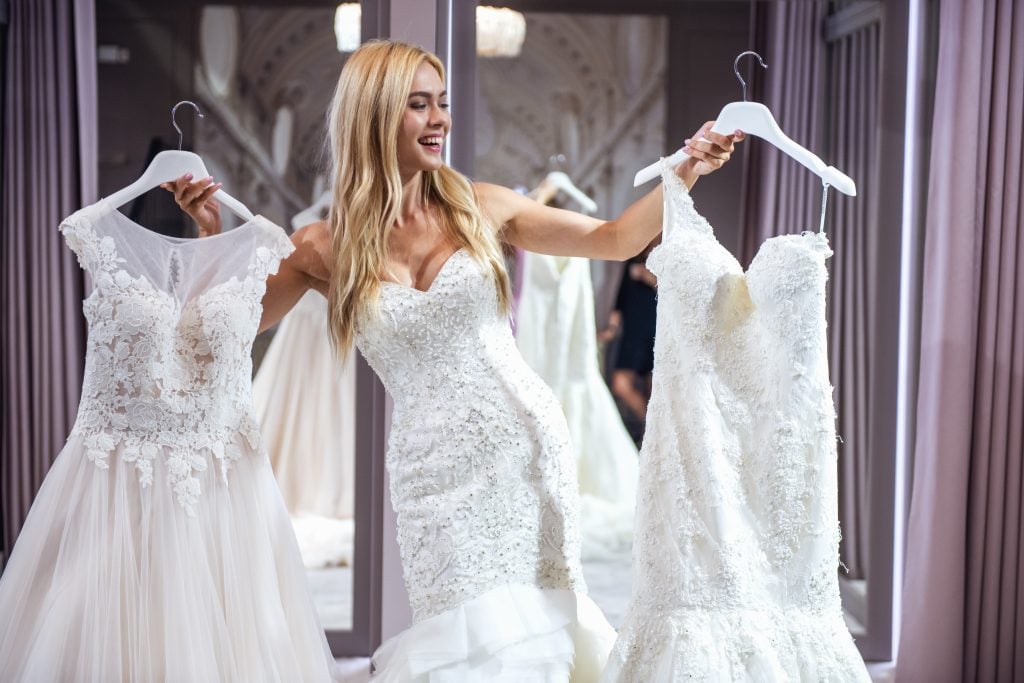
While many adjustments are possible through professional designer gown alteration, there are certain changes that can be difficult, risky, or sometimes not recommended. Designer gowns are carefully engineered garments, and their structure, fabric proportions, and internal construction play a major role in maintaining the intended silhouette. Because of this complexity, not every modification can be performed without affecting the overall design.
Major Size Changes
One of the most challenging alterations involves resizing a gown by several sizes. Most designer gowns include a limited amount of seam allowance, which means the fabric available for expansion or reduction is restricted. If a gown needs to be altered significantly—such as reducing it by multiple sizes—the internal structure may no longer support the original design.
Large adjustments can affect elements like corsetry, boning, and lining layers, which are carefully balanced to maintain the gown’s shape. For this reason, experienced specialists in designer gown alteration will evaluate how much resizing can be safely performed without compromising the garment.
Changing the Entire Silhouette
Another alteration that can be difficult is transforming the overall silhouette of the dress. For example, converting a fitted mermaid gown into an A-line shape would require extensive reconstruction. This type of modification often involves reshaping the skirt, adjusting internal layers, and altering structural elements that were designed specifically for the original silhouette.
Because couture gowns are designed with a precise structure, dramatic silhouette changes can disrupt the balance of the garment and may compromise the designer’s original vision.
Extensive Fabric Removal
Some gowns rely on carefully measured fabric volume to maintain their shape and movement. Ball gowns, layered skirts, and structured dresses often depend on specific fabric proportions to achieve their intended look. Removing large sections of fabric during designer gown alteration can affect how the gown drapes and moves.
For these reasons, professional alteration specialists will always examine the gown carefully before recommending adjustments. A thorough evaluation helps determine which alterations will enhance the fit while preserving the integrity, elegance, and structure of the designer gown.
How Long Designer Gown Alterations Typically Take
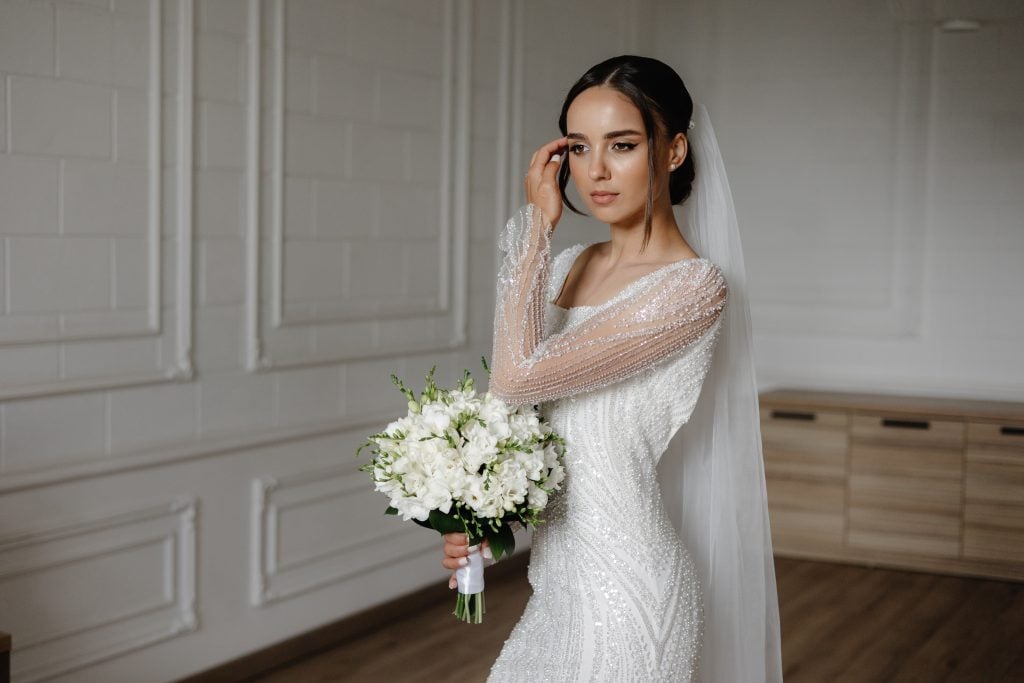
The timeline for designer gown alteration varies depending on the complexity of the garment.
Typical timelines include:
- Minor alterations: 1–2 weeks
- Moderate alterations: 2–4 weeks
- Complex couture alterations: 4–6 weeks
For wedding dresses or special events, it is recommended to begin alterations well in advance.
Why Expert Alteration Matters for Luxury Dresses
Designer gowns represent a significant investment, both financially and emotionally. Poor alterations can damage the structure or reduce the value of the garment.
Professional alteration specialists provide several advantages:
- Experience working with couture fabrics
- Knowledge of designer construction methods
- Precision hand-sewing techniquesAbility to preserve intricate design elements
These skills allow them to adjust luxury dresses while maintaining their original beauty.
How Long Designer Gown Alterations Typically Take
The timeline for designer gown alteration varies depending on the complexity of the garment.
Typical timelines include:
- Minor alterations: 1–2 weeks
- Moderate alterations: 2–4 weeks
- Complex couture alterations: 4–6 weeks
For wedding dresses or special events, it is recommended to begin alterations well in advance.
Tips Before Altering a Designer Gown
If you plan to alter a luxury gown, consider the following recommendations.
Choose an Experienced Specialist
Always work with a tailor who regularly handles couture garments.
Bring Your Event Shoes
Heel height directly affects the length of the gown.
Schedule Multiple Fittings
Complex alterations often require more than one fitting to ensure perfection.
Avoid Last-Minute Changes
Rush alterations increase the risk of mistakes.
Store the Gown Properly
Before alterations, keep the gown in a breathable garment bag to protect the fabric.
These steps help ensure successful designer gown alteration results.
The Relationship Between Designer Intent and Tailoring
Luxury fashion designers create garments with a specific vision. Skilled alteration specialists respect that vision while adjusting the garment for the individual wearer.
The goal is not to redesign the dress, but to refine its fit so the original concept shines even more.
When performed correctly, designer gown alteration allows the wearer to experience the full elegance of couture fashion.
When Alterations Improve the Gown
Interestingly, alterations often improve how a designer gown looks.
A perfectly tailored gown can:
- Enhance body proportions
- Improve posture and comfort
- Highlight design details
- Increase confidence when wearing the dress
This is why professional fittings are standard practice in luxury fashion boutiques.
Frequently Asked Questions About Designer Gown Alteration
Can all designer gowns be altered?
Most designer gowns can be altered to some degree, but the extent depends on the garment’s construction, fabric, and available seam allowance.
Will alterations damage luxury fabrics?
When performed by experienced specialists, alterations are done carefully to protect delicate fabrics such as silk, lace, and chiffon.
How many sizes can a gown be altered?
Typically, gowns can be altered one to two sizes without significantly affecting the design.
Can lace or beadwork be altered?
Yes. Skilled tailors carefully remove and reapply lace or beadwork during the alteration process.
Are designer gown alterations expensive?
Costs vary depending on the complexity of the gown, but the expertise required for couture tailoring often involves higher fees.
Conclusion
A luxury gown is more than just a dress, it is a carefully crafted piece of fashion design that combines structure, fabric artistry, and precise tailoring. Because designer gowns are engineered with such attention to detail, achieving the perfect fit often requires expert designer gown alteration. When performed by skilled professionals, alterations do not compromise the beauty of the gown. Instead, they refine the fit and allow the garment to look exactly as the designer intended.
From adjusting the hemline to refining the waist or improving bust support, professional alterations help ensure that a designer gown complements the wearer’s body perfectly. The key is working with specialists who understand couture construction and who approach every alteration with respect for the garment’s architecture, fabric, and craftsmanship.
At Bridal & Tuxedo Galleria, designer gown alteration is handled with the highest level of care and expertise. With decades of experience serving brides and formalwear clients in Southern California, the team understands the delicate balance between tailoring a gown for the individual and preserving the designer’s original vision. Their alteration specialists work with intricate fabrics, lace patterns, structured bodices, and layered couture gowns, ensuring that every adjustment enhances the gown without compromising its elegance.
Whether you are preparing for your wedding day, a formal event, or a special celebration, achieving a flawless fit can transform the way a gown looks and feels. A perfectly tailored designer dress not only enhances your silhouette but also allows you to move with confidence and comfort throughout your event.
If you have invested in a luxury gown and want it to fit beautifully, consider scheduling a professional consultation with the experienced team at Bridal & Tuxedo Galleria. Their expertise in designer gown alteration ensures that your dress will be tailored with precision, preserving its structure, elegance, and timeless design, so you can look and feel your absolute best.
Your Personalized Wedding Dress Shopping Experience in San Diego With over 30 years of styling expertise, our dedicated team is passionate about helping you find the perfect wedding dress and tuxedo.
Leave a Reply