
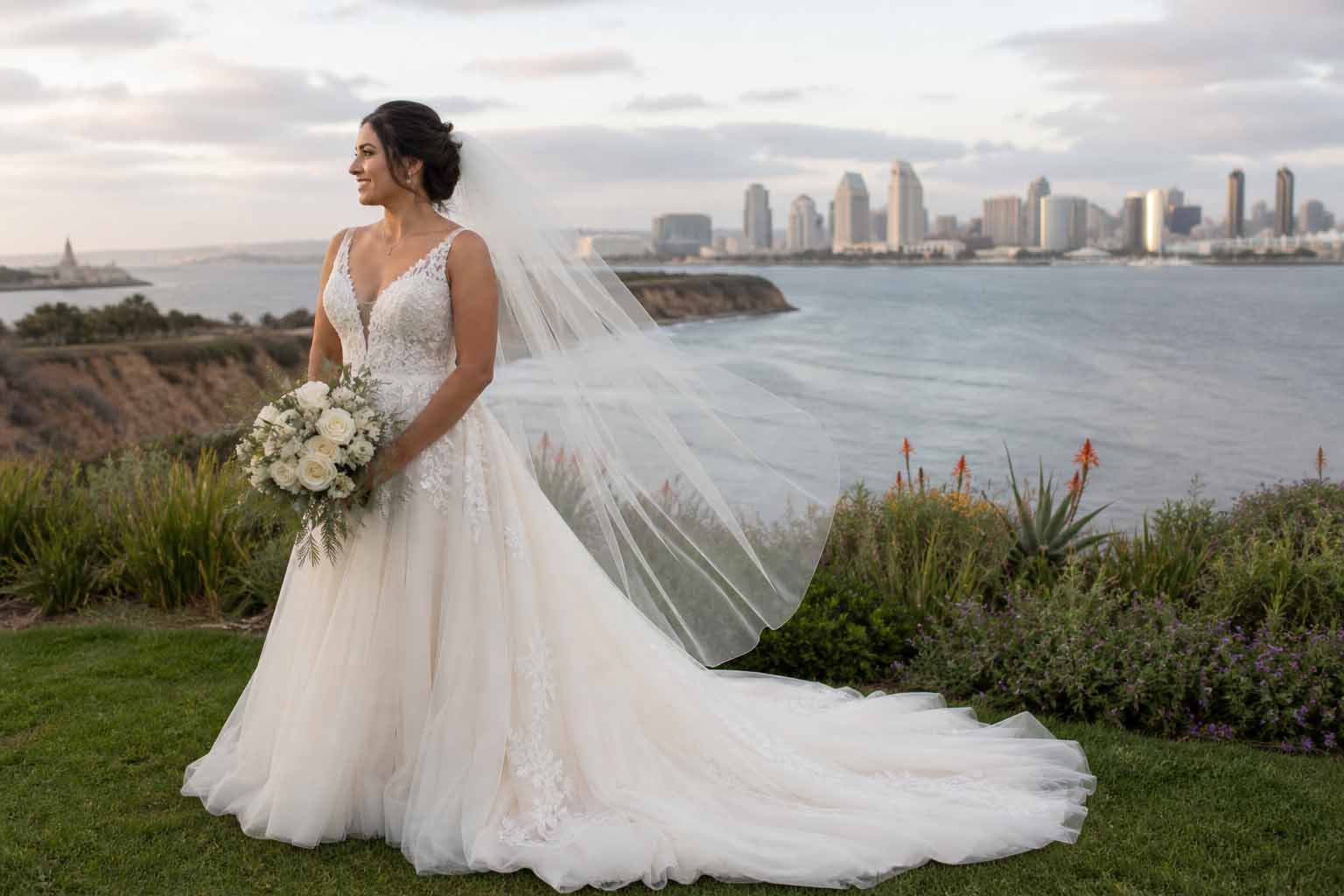
Ivory Wedding Dress and the Secrets Behind It
Why the Ivory Wedding Dress Became the True Icon of Modern Bridal Style
For decades, many brides believed that a wedding dress had to be pure white to feel traditional, elegant, and timeless. But in today’s bridal world—especially across Southern California and couture-driven markets like San Diego and Orange County, the ivory wedding dress has quietly become the gold standard of sophistication.
An ivory wedding dress is not just a color choice. It is a strategic design decision, a flattering solution for real skin tones, and a reflection of how modern bridal fashion has evolved beyond rigid tradition into something more refined, more wearable, and far more photogenic.
At leading couture houses like Bridal and Tuxedo Galleria, where fabric selection and tone precision are treated as part of the art form, ivory is often the starting point, not the alternative.
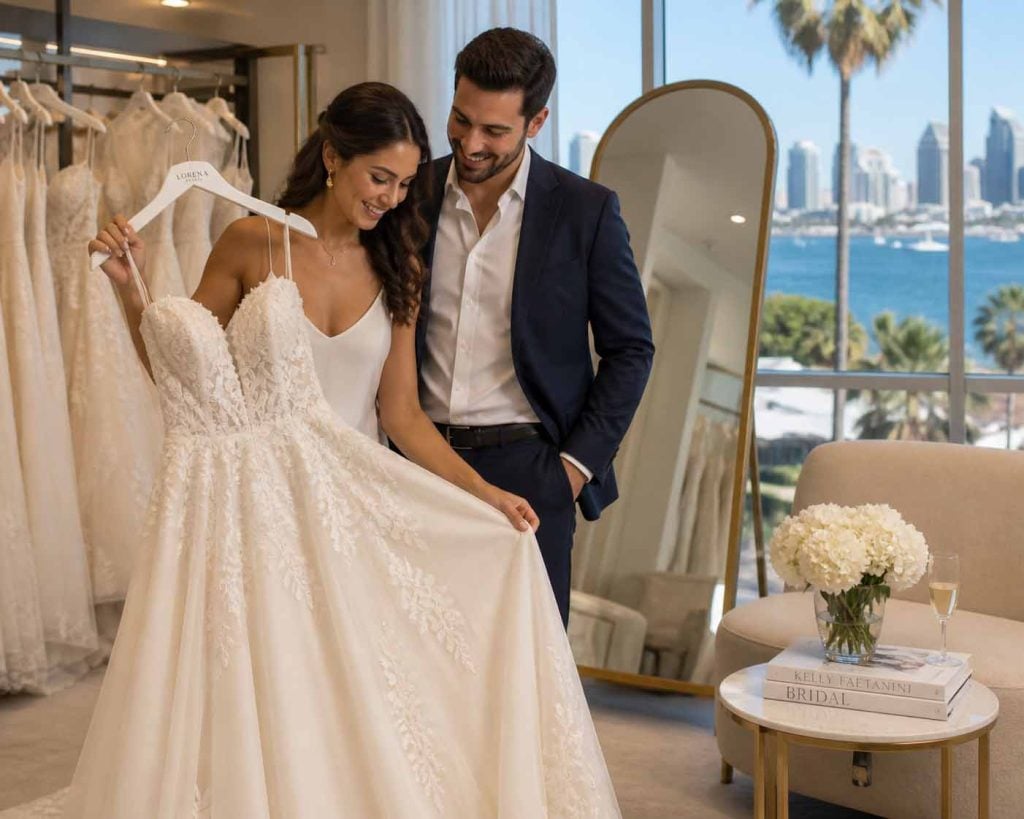
The History of White and Ivory Wedding Dresses
The tradition of wearing a Ivory wedding dress feels timeless today, but its origins are more modern, and more strategic than many brides realize. Before the 19th century, brides did not specifically choose white for their weddings. Instead, they wore their best dress, regardless of color. Rich tones like deep red, blue, gold, and even black were common across Europe, often symbolizing wealth, status, or practicality rather than purity.
The shift toward white began with Queen Victoria in 1840, when she married Prince Albert wearing a white silk gown trimmed with lace. At the time, white was not associated with weddings, it was actually considered impractical and difficult to maintain, making it a symbol of wealth and privilege. Queen Victoria’s choice was both a personal style decision and a subtle statement supporting British lace industries. However, the visual impact of her wedding portrait was so powerful that it sparked a cultural shift.
Following this moment, white gradually became associated with bridal elegance, purity, and high social standing. By the late 19th and early 20th centuries, white wedding dresses had become aspirational among Western brides, especially as photography became more widespread and weddings more publicly documented. The color white, once a luxury, transformed into a symbol of tradition.
However, the concept of “white” in historical garments was not as pure as modern interpretations suggest. Many early white dresses were closer to what we now call ivory due to natural fabric tones and dye limitations. Silk, satin, and lace often carried warm undertones, meaning that the earliest “white” gowns were, in reality, soft ivory variations.
As textile technology evolved in the 20th century, brighter and more consistent whites became available. Yet, designers began to notice an important issue: stark white did not flatter every skin tone and often appeared harsh under artificial lighting and early photography. This realization led to the quiet resurgence of ivory as a preferred alternative.
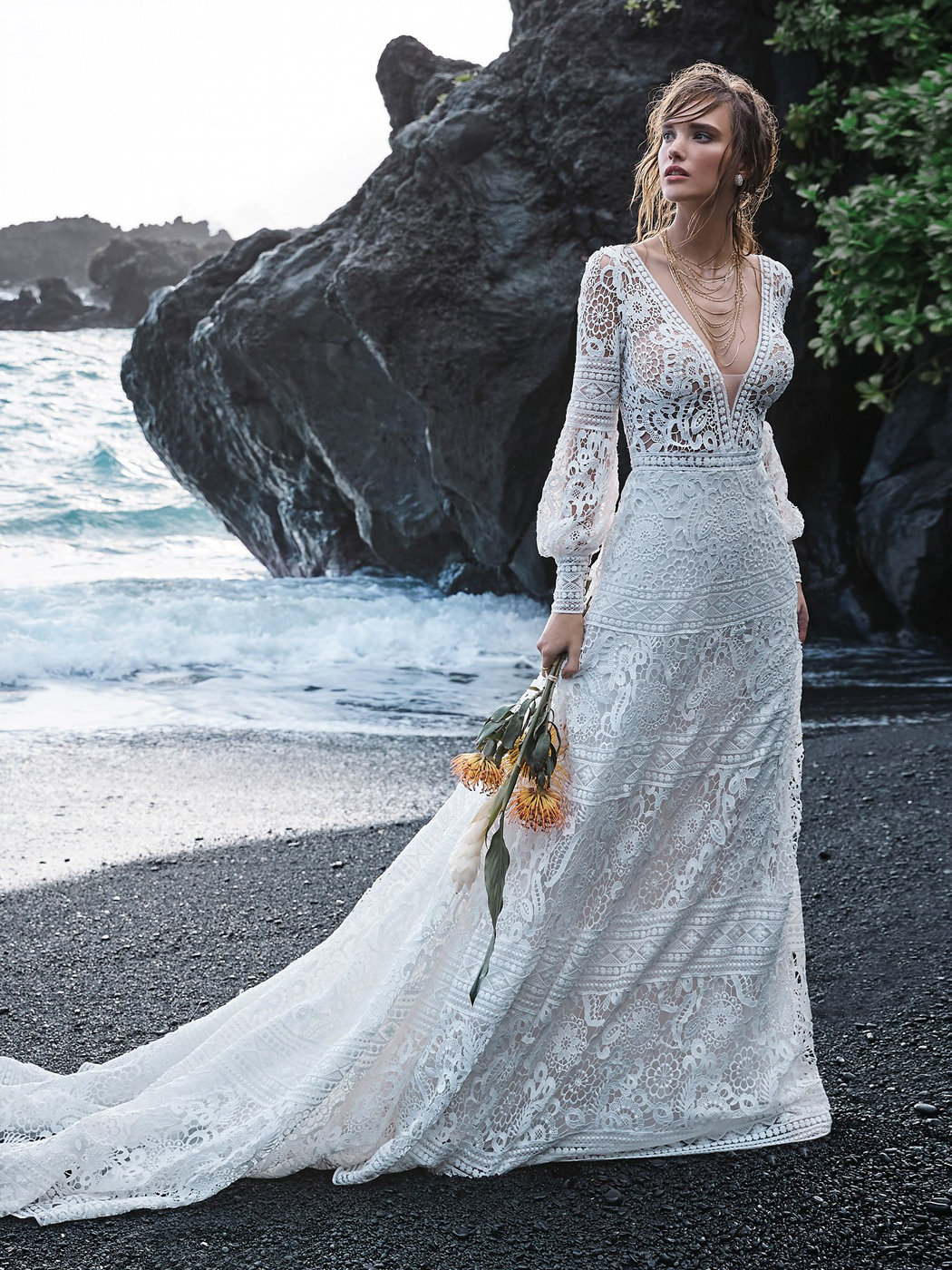
By the late 20th century, ivory wedding dress gained significant popularity, especially in couture fashion. Designers recognized that ivory offered a softer, more romantic aesthetic while enhancing fabric texture and detail. It allowed lace patterns, embroidery, and layered materials to appear richer and more dimensional compared to flat, bright white.
Today, the distinction between white and ivory is less about tradition and more about refinement. While white still carries historical symbolism, ivory has become the dominant choice in modern bridal design. It reflects a shift from rigid tradition toward personalization, where the bride’s appearance, comfort, and overall aesthetic take priority.
In contemporary bridal fashion—especially in style-forward regions like Southern California, ivory represents the evolution of the wedding dress. It honors the legacy of white while improving upon it through better design, better wearability, and better visual impact.
Ultimately, the journey from white to ivory is not a departure from tradition, but a natural progression. What began as a royal statement has transformed into a carefully considered design choice—one that continues to define the modern bride.
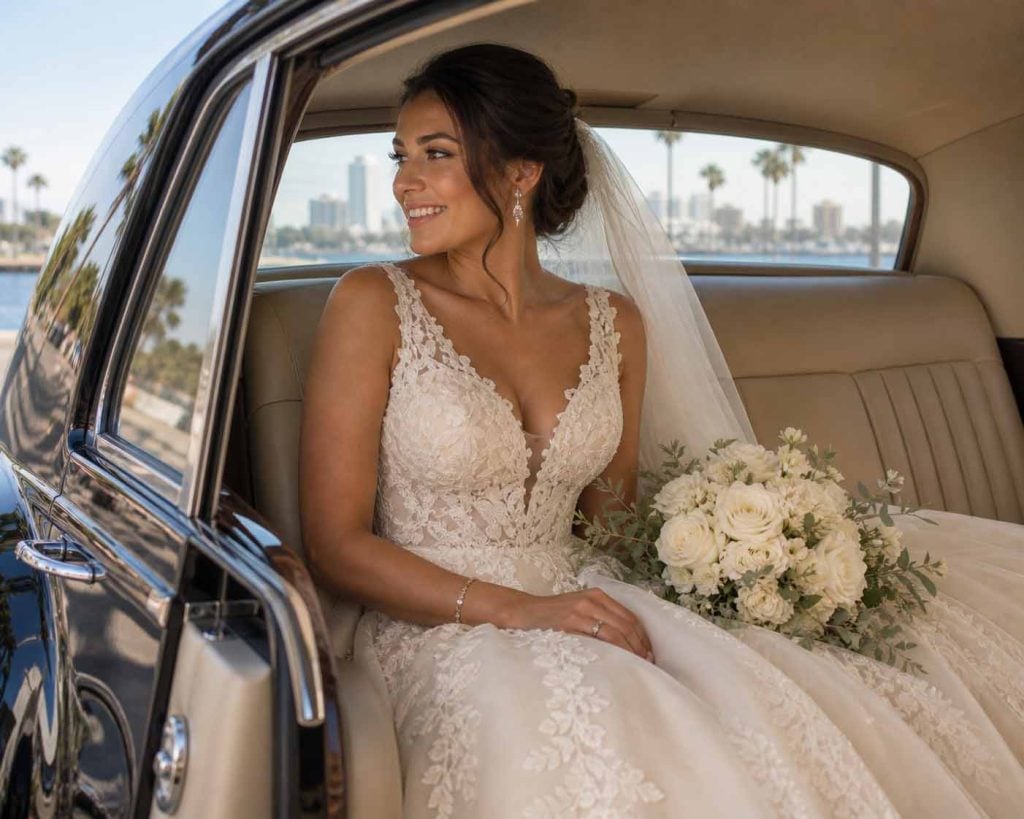
The Real Reason Designers Prefer Ivory Over Pure White
Designers rarely choose ivory by accident. There are specific reasons why ivory dominates modern collections:
First, ivory is universally flattering. Pure white can wash out many skin tones, especially under strong lighting or flash photography. Ivory, on the other hand, complements a wider range of complexions, adding warmth and softness to the overall look.
Second, ivory enhances fabric detail. Whether it’s hand-applied lace, embroidery, or beading, ivory creates depth that bright white often flattens. This is particularly important in couture gowns, where craftsmanship is meant to be seen and felt.
Third, ivory photographs better. In both natural sunlight—like beach weddings in Laguna Beach, and indoor venues with artificial lighting, ivory maintains balance and avoids the overexposure that pure white can cause.
These are not small details. They are the difference between a dress that looks good and one that looks unforgettable.
The Hidden Psychological Impact of an Ivory Wedding Dress
There is also a subtle emotional layer behind the choice of ivory. While white is often associated with tradition and formality, ivory conveys warmth, intimacy, and softness.
This shift matters in modern weddings. Today’s brides are not just following tradition, they are curating an experience, telling a story, and expressing personality. Ivory aligns with that mindset. It feels more human, less rigid, and more connected to real emotion.
In luxury bridal marketing, this distinction is critical. Brides are no longer buying dresses—they are investing in how they want to feel on one of the most photographed days of their lives.
Ivory Wedding Dress vs. White Wedding Dress: What Brides Often Misunderstand
One of the most common misconceptions is that ivory looks “darker” or less formal than white. In reality, the opposite is often true in real-world conditions.
Under venue lighting, ivory appears luminous, while stark white can sometimes look harsh or overly bright. In photographs, ivory maintains detail, while white may lose texture due to overexposure.
Another misunderstanding is that ivory is less traditional. Historically, even many gowns perceived as “white” were actually closer to ivory due to fabric limitations and natural dyes. The idea of pure white as the only standard is relatively modern—and increasingly outdated in couture circles.
How Ivory Enhances Different Wedding Dress Silhouettes
The impact of ivory becomes even more powerful when paired with specific silhouettes.
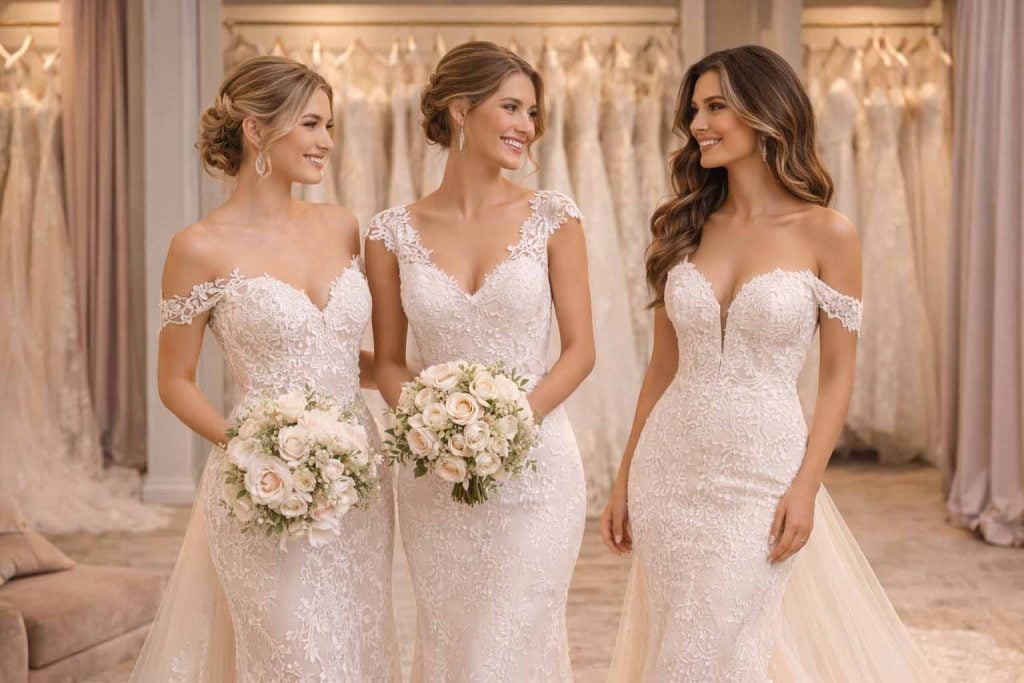
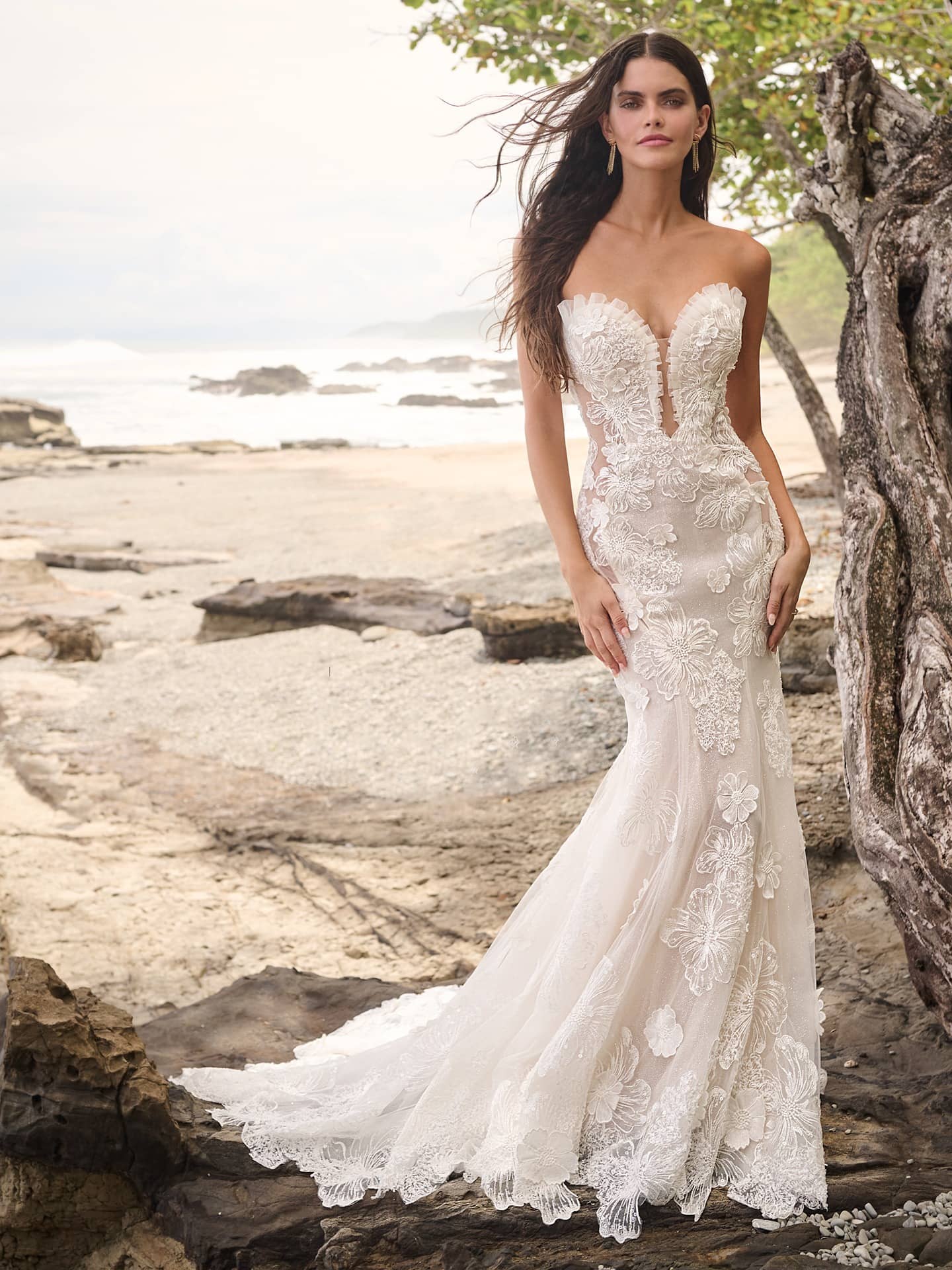
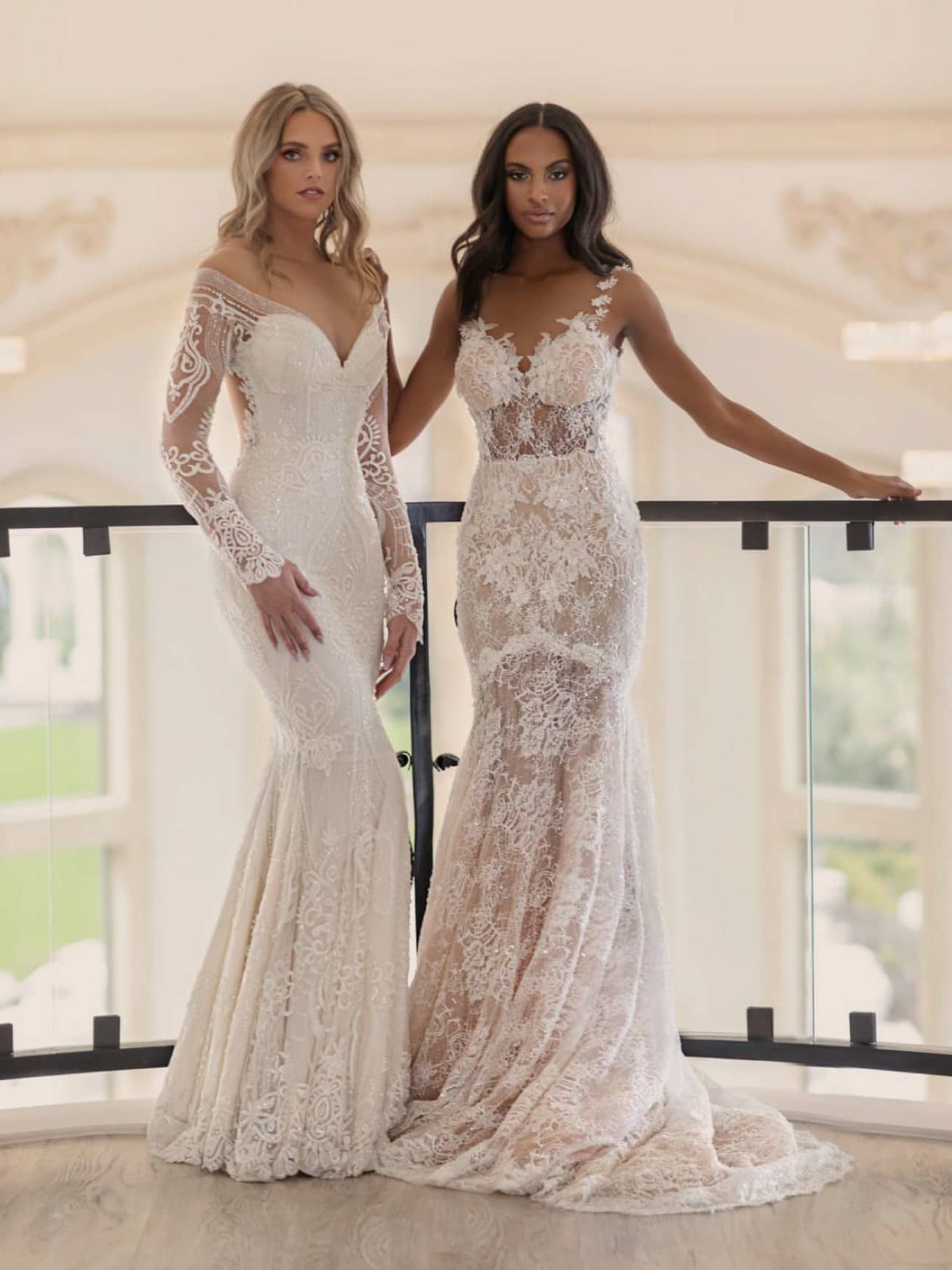
In fitted mermaid gowns, ivory softens the contours, making the shape feel elegant rather than overly sharp. In ball gowns, it adds a sense of richness and depth, preventing the dress from looking flat or overly structured. For minimalist designs, such as sleek satin or crepe dresses, ivory introduces just enough warmth to keep the look from feeling sterile.
Designers often use ivory strategically to balance structure and softness. It is not just about color, it is about controlling how the dress interacts with light, movement, and the body.
Call Now

The Role of Ivory in Couture Craftsmanship
In couture bridal design, every detail is intentional. Fabric layering, stitching, lace placement, and even thread color are chosen to create a cohesive visual effect.
Ivory plays a central role in this process. It allows designers to layer textures, such as lace over satin or tulle over embroidery—without creating harsh contrast. This layering effect is what gives couture gowns their signature depth and dimension.
According to industry experts like Navid Noor, head designer at Bridal and Tuxedo Galleria, “The right shade of ivory doesn’t just complement the bride—it elevates the entire construction of the gown. It allows every detail to breathe.”
This perspective reflects a deeper truth: ivory is not just aesthetic. It is structural.
Why Ivory Dominates Southern California Bridal Trends
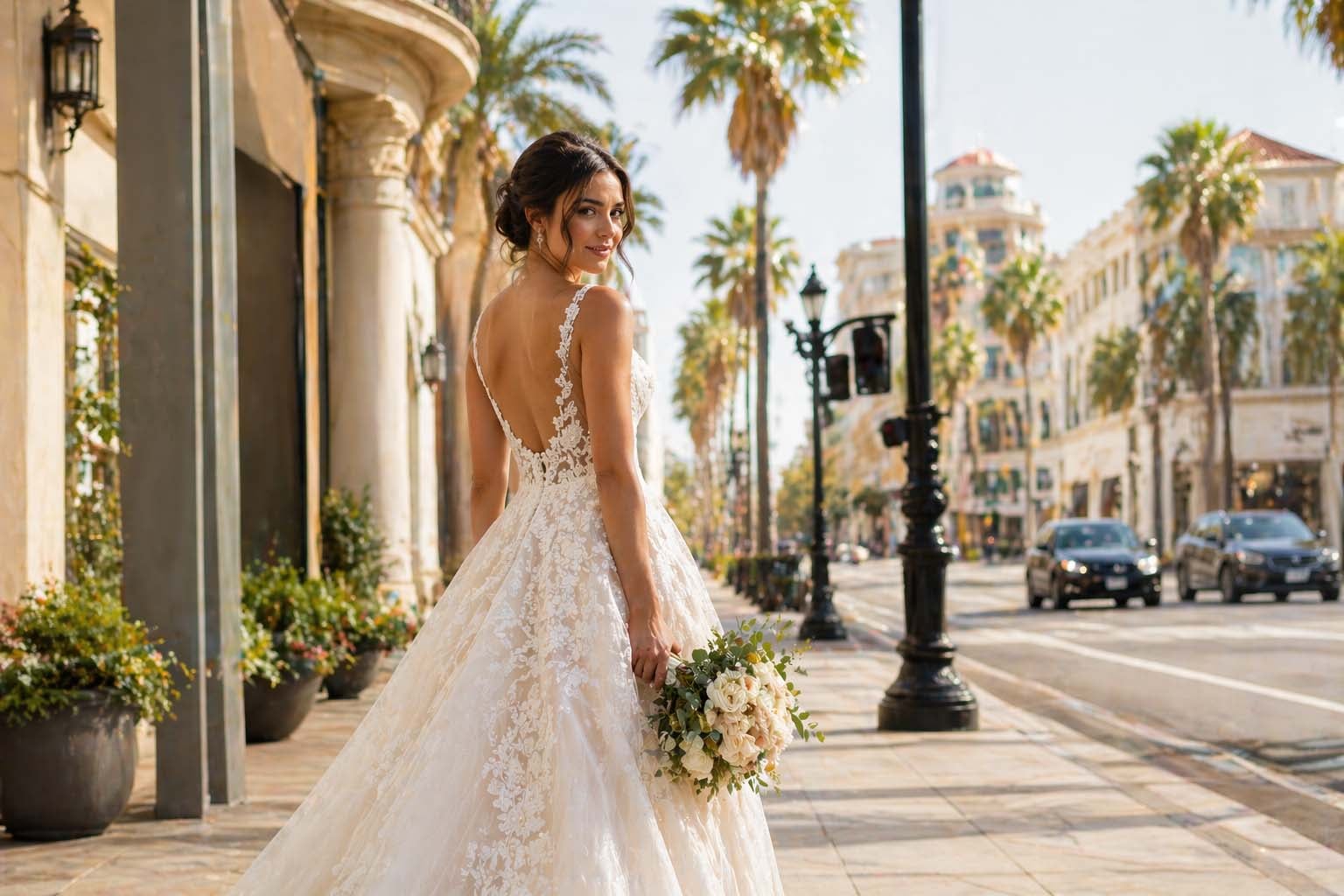
In regions like San Diego and Orange County, environmental factors also influence bridal choices. Natural sunlight, ocean backdrops, and outdoor venues all interact differently with fabric color.
Ivory performs exceptionally well in these settings. It blends seamlessly with warm, natural tones—sand, sunset light, and coastal landscapes—creating a cohesive and elevated visual experience.
This is one reason why many Southern California brides instinctively gravitate toward ivory, even if they initially believe they want white.
Choosing the Right Shade of Ivory for Your Skin Tone
Not all ivory shades are identical. Some lean toward soft cream, others toward champagne or blush undertones.
For fair skin, slightly warmer ivory tones can add contrast and prevent the dress from blending too closely with the complexion. For medium and olive tones, classic ivory enhances warmth and glow. For deeper skin tones, ivory creates a striking yet soft contrast that feels elegant and balanced.
This level of personalization is where professional bridal consultations become essential. The right ivory tone is not chosen from a label—it is selected based on how it interacts with the individual bride.
The Marketing Truth: Why Ivory Sells More Than White
From a marketing perspective, the dominance of ivory is not accidental. Bridal brands, designers, and boutiques consistently prioritize ivory in their collections because it performs better across multiple dimensions:
It appeals to a broader audience, photographs beautifully for campaigns, and aligns with modern aesthetic preferences. More importantly, it reduces the risk of dissatisfaction after fittings or photo previews.
In a competitive bridal market, these factors translate directly into higher conversion rates and stronger customer satisfaction.
Ivory is not just a trend. It is a proven strategy.
FAQ: Ivory Wedding Dress
Is an ivory wedding dress considered traditional?
Yes. Ivory has become the modern standard in bridal fashion and is widely accepted as both classic and timeless.
Does ivory look better than white in photos?
In most cases, yes. Ivory maintains detail and avoids overexposure, especially in bright lighting conditions.
Can all skin tones wear ivory?
Absolutely. Ivory is one of the most universally flattering tones and can be adjusted in shade to suit any complexion.
Will ivory look too yellow?
No. High-quality ivory fabrics are carefully balanced and appear soft and elegant—not yellow.
Why do most bridal boutiques recommend ivory first?
Because it enhances fabric detail, flatters more skin tones, and provides better results both in person and in photography.
The Future of Bridal Color: Will Ivory Stay on Top?
All signs point to yes. While bridal fashion continues to evolve, with soft blush tones, nude underlays, and even subtle color experimentation—ivory remains the foundation.
What makes ivory so resilient is its ability to evolve without losing its essence. Trends come and go, but ivory consistently adapts. Designers can reinterpret it through modern silhouettes, textured fabrics, and layered tones, yet it always retains that timeless, elevated feel. It bridges generations of bridal style—honoring tradition while aligning perfectly with contemporary aesthetics.
At the same time, the bridal industry is seeing a bold shift toward non-traditional colors, including champagne, soft pastels, and even the increasingly talked-about black wedding dress. Once considered unconventional or symbolic of rebellion, black wedding dresses are now appearing in high-fashion couture collections and editorial shoots. They represent confidence, individuality, and a break from expectation. However, despite their rising popularity, they remain a niche choice, often reserved for statement weddings or fashion-forward brides who prioritize uniqueness over tradition.
Ivory, on the other hand, continues to dominate because it offers the best of both worlds. It feels classic without being outdated, modern without being risky. It complements nearly every venue, lighting condition, and skin tone, making it the most versatile option available.
From a design perspective, ivory allows for creative freedom. From a bride’s perspective, it provides confidence. And from a marketing standpoint, it consistently performs because it appeals to the widest audience while still feeling luxurious.
Even as bridal fashion explores darker palettes and unconventional hues, ivory is unlikely to lose its position. Instead, it will continue to anchor the industry—while other colors, including black, orbit around it as expressive alternatives rather than replacements.
Final Thought
The ivory wedding dress is more than a modern preference, it is the result of decades of design evolution, technical refinement, and a deeper understanding of what truly flatters a bride.
At Bridal and Tuxedo Galleria, where couture expertise meets personalized experience, ivory is not presented as an option. It is presented as the standard of excellence.
Because in the end, the perfect wedding dress is not defined by how white it is, but by how perfectly it reflects you.
Call Now
Your Personalized Wedding Dress Shopping Experience in San Diego With over 30 years of styling expertise, our dedicated team is passionate about helping you find the perfect wedding dress and tuxedo.



Leave a Reply