
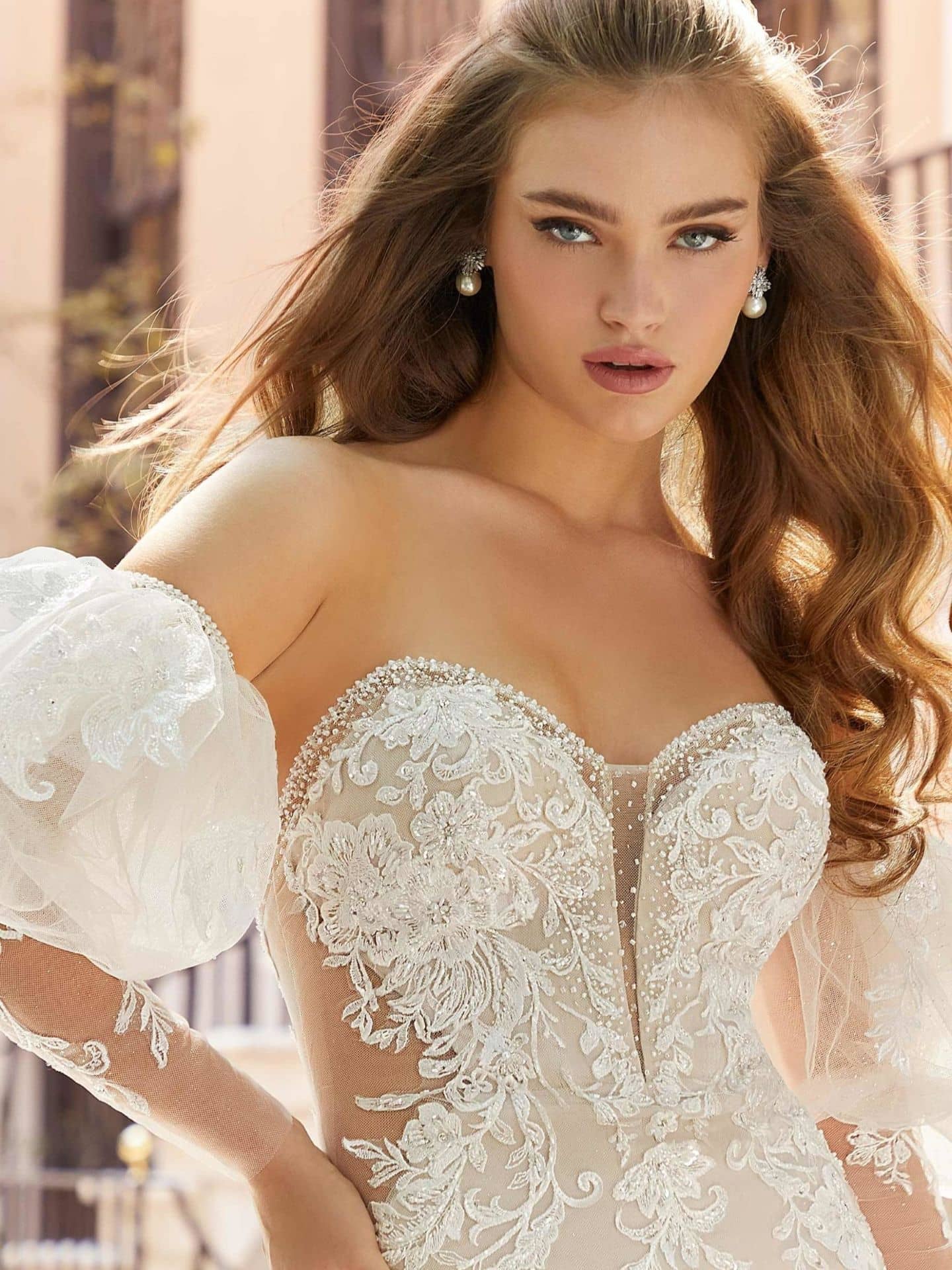
Vintage Wedding Dress Restoration for the Modern Bride 2026
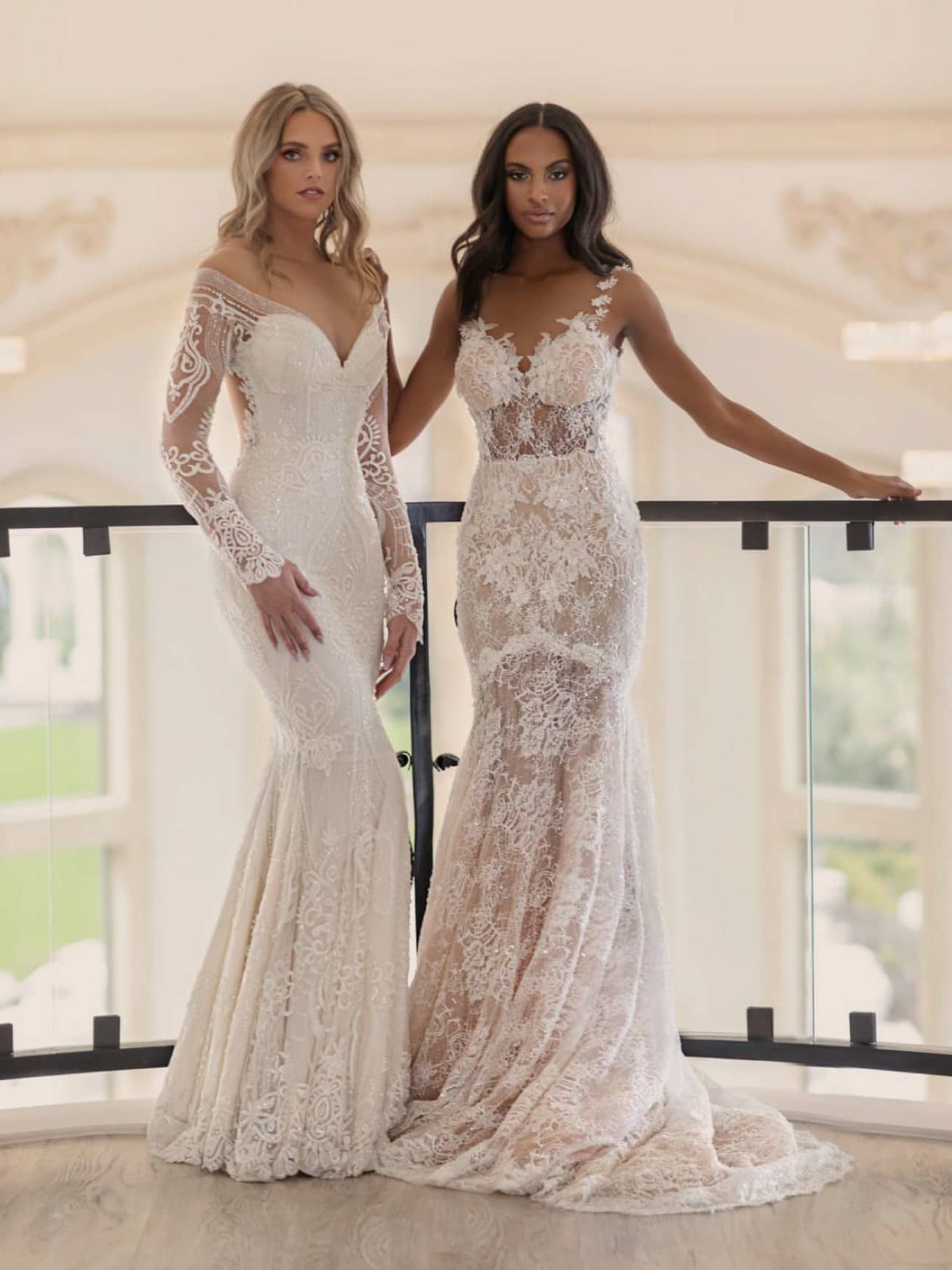
Vintage Wedding Dress silhouettes have a unique ability to transport modern brides into an era of sophistication, detail, and meaningful design.There is something undeniably powerful about a vintage wedding dress. It carries history, artistry, and a silent poetry that modern gowns rarely achieve on their own. As a designer who built the Lumiere Wedding Dress Collection on the principles of craftsmanship, emotion, and heritage, I’ve always believed that a gown is more than fabric, it is storytelling woven into form.
While previous generations often pursued the newest designer collection or the latest runway trend, many 2026 brides are looking backward to move forward. They are seeking garments with provenance, emotional significance, craftsmanship, and individuality—qualities increasingly difficult to find in a world saturated with mass production.
A century-old lace motif carries a story. A hand-finished seam stitched by a grandmother’s dressmaker carries memory. A silk gown worn by a mother, aunt, or great-grandmother represents more than fashion—it represents continuity.
At Bridal and Tuxedo Galleria and the couture atelier of Navid Noor Couture Design, vintage wedding dress restoration has evolved far beyond basic alterations. Today, restoration combines textile conservation, couture engineering, historical preservation, and modern bridal design to transform aging heirlooms into wearable works of art.
The process is equal parts science and artistry.
Some gowns require museum-level textile rehabilitation. Others demand structural reconstruction from the inside out. Many need careful modernization that honors their original identity while allowing them to perform beautifully for a contemporary bride.
This guide explores the complete restoration journe, —from evaluating fragile heirloom fabrics to incorporating modern couture details inspired by 2026 bridal runways.
My Personal Journey with Vintage wedding dress Restoration 2026
I grew up surrounded by fabrics, lace samples, and the whispered stories of brides my mother dressed. As the creator of the Lumiere Collection, I am drawn to gowns with a soul—pieces that reveal the artistry of embroidery, the architecture of corsetry, and the texture of time.
Luxury consumers have become increasingly selective about what they purchase.
The modern bride is no longer interested solely in ownership. She is interested in meaning.
A restored vintage wedding dress represents one of the most sustainable choices available in bridal fashion. Rather than commissioning a newly manufactured gown requiring extensive fabric production, transportation, packaging, and resource consumption, restoration gives existing textiles a second life.
Yet sustainability is only part of the appeal.
Many brides describe vintage restoration as a deeply emotional process. They are not simply wearing a dress; they are carrying forward a family narrative.
A 1950s satin ballgown may evoke post-war optimism. A 1970s lace dress may reflect a grandmother’s independent spirit. Each stitch becomes part of a broader story that extends beyond the wedding day itself.
For brides seeking authenticity in an increasingly digital world, restored heirlooms offer something impossible to replicate: genuine history.
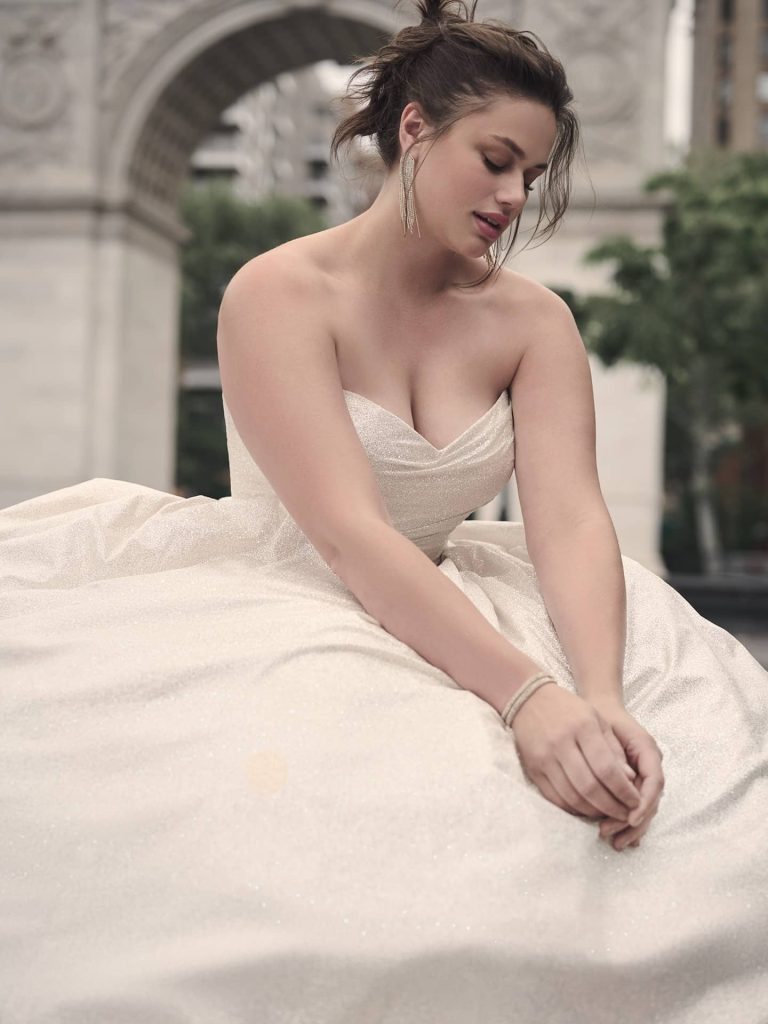
Types and Styles of Vintage Wedding Dresses
A Vintage Wedding Dress comes in an extraordinary range of silhouettes, fabrics, and design eras—each offering its own personality, craftsmanship, and bridal aesthetic. Understanding these categories helps brides select a style that reflects both their vision and the gown’s historical charm. Below is a curated list of the most beloved vintage bridal styles:
Popular Vintage Wedding Dress Types
- 1920s Art Deco Beaded Gowns
- 1930s Bias-Cut Silk Dresses
- 1940s Hollywood Glamour Satin Gowns
- 1950s Tea-Length Dresses
- 1960s Mod Minimalist Silhouettes
- 1970s Bohemian Lace Dresses
- 1980s Princess-Style Ball Gowns
- Victorian High-Neck Lace Dresses
- Edwardian Empire-Waist Gowns
- Retro Crochet or Embroidered Dresses
A Vintage Wedding Dress can dramatically influence the tone of a wedding, offering a sense of character and storytelling that modern gowns often cannot replicate. Brides who choose the 1920s or 1930s styles appreciate fluid silk, geometric beading, and architectural draping. These gowns are ideal for glamorous or intimate evening ceremonies. The 1950s tea-length Vintage Wedding Dress brings playful elegance—perfect for outdoor weddings, garden settings, or retro-themed receptions.
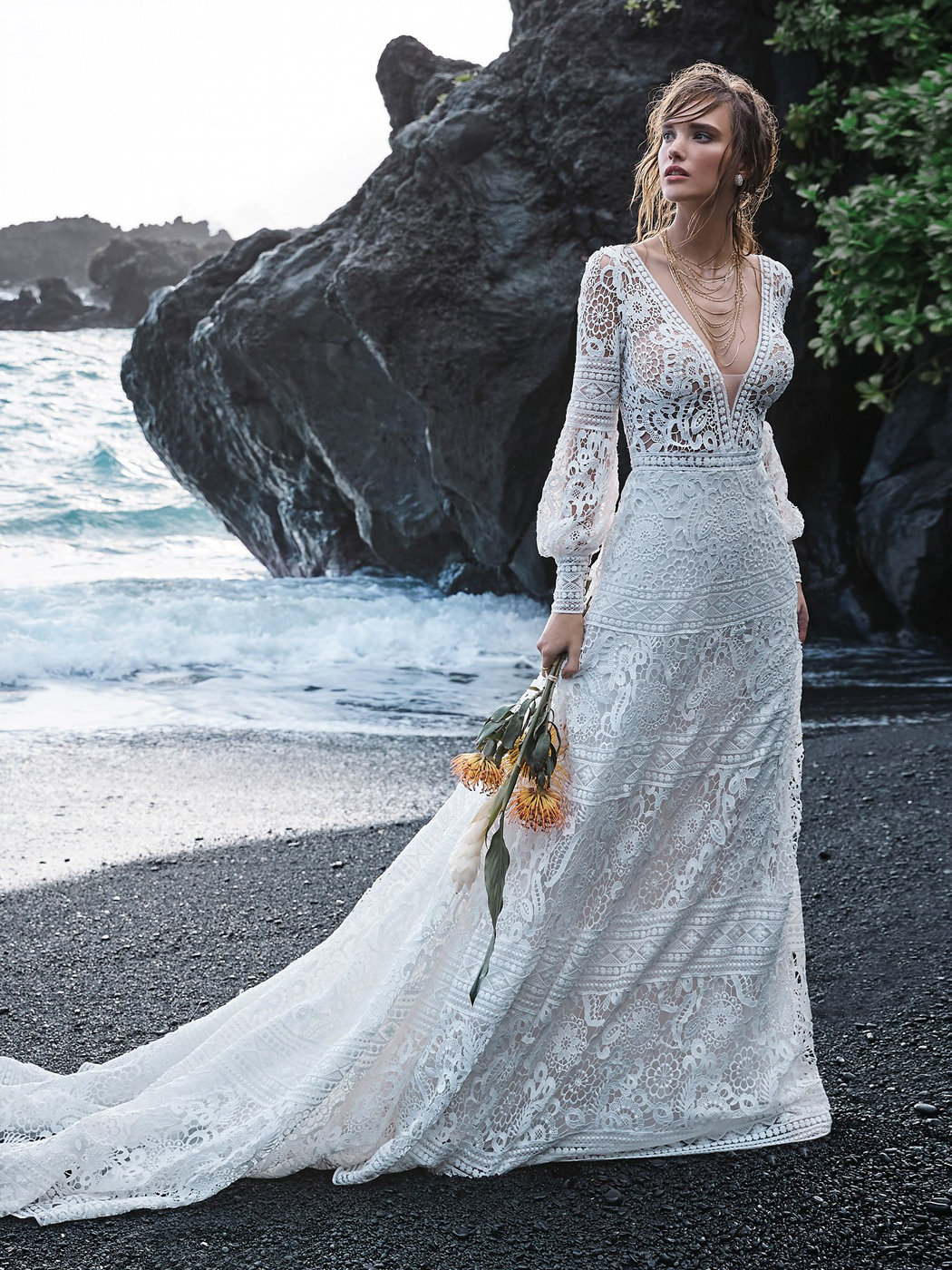
For brides inspired by effortless romance, the 1970s bohemian style is a cherished favorite. Its soft lace, bell sleeves, and relaxed silhouette create a dreamy fusion between vintage and modern boho trends. Meanwhile, Victorian or Edwardian designs carry intricate lacework, high collars, and heritage details that elevate formal ceremonies in churches or historic estates.
Every era of a Vintage Wedding Dress has its own charm, craftsmanship, and emotional impact. By choosing a style rooted in history, brides embrace individuality while honoring timeless beauty. Whether glamorous, bohemian, minimalist, or classic, a Vintage Wedding Dress offers a deeply personal and unforgettable bridal expression.
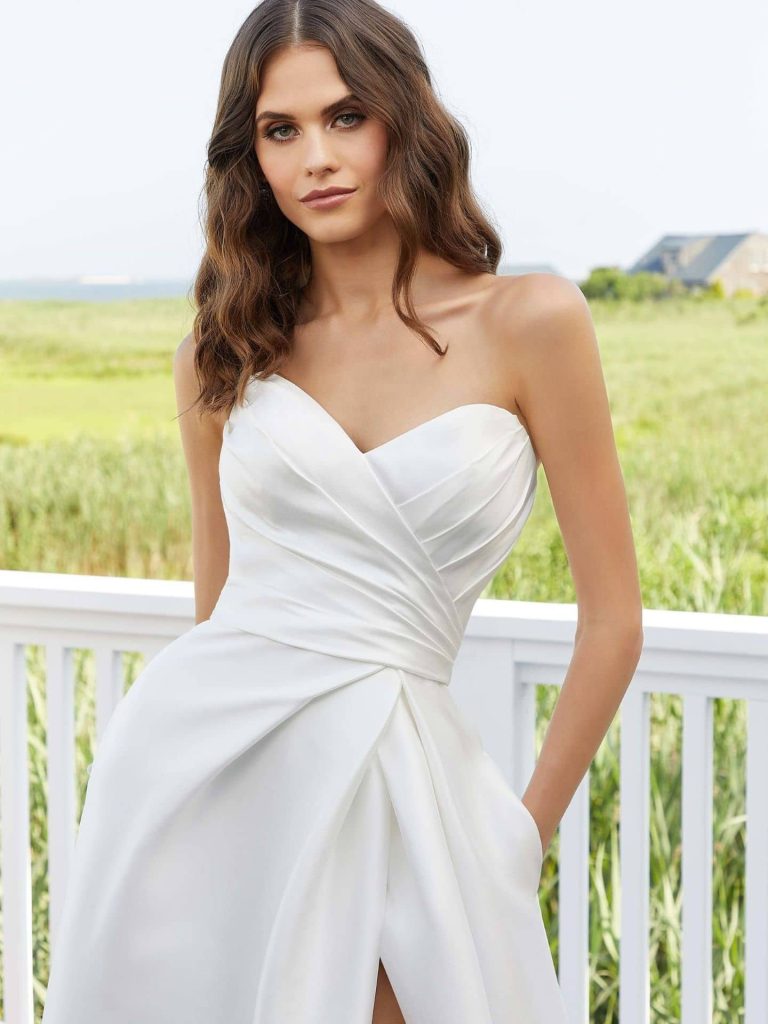
Understanding the Anatomy of a Vintage Wedding Dress
A Vintage Wedding Dress is more than a garment—it is a time capsule of craftsmanship, emotion, and cultural artistry. Each gown carries the techniques of its era: hand-stitched seams, heirloom lace, delicately beaded motifs, and silhouettes shaped long before today’s machines and mass-production methods. To truly restore or modernize these gowns, we must first understand what gives them their unmistakable identity.
From Art Deco bias cuts of the 1920s to the romantic lacework of the 1950s and the free-spirited bohemian drape of the 1970s, every Vintage Wedding Dress reflects the aesthetics and engineering of its time. Fabrics were sourced differently, construction relied heavily on human hands, and design details were deeply intentional. These elements influence how the gown behaves, ages, and responds to restoration.
Modern brides often fall in love with the soul of a Vintage Wedding Dress—its history, its individuality, and the emotional legacy stitched into every inch. By examining its inner structure, from boning and underlayers to lace stability and textile composition, we gain the insight required to preserve the past while preparing the gown for a new beginning.
Vintage gowns fall into certain structural and stylistic eras. Each era demands a different restoration approach:
1920s – Art Deco Elegance
Bias cuts, dropped waists, metallic beading, silk charmeuse.
Fragility level: High.
1930s–1940s – Hollywood Glamour
Sculptural satin, cap sleeves, structured shoulders, hand-applied embellishment.
Fragility level: Medium–High.
1950s – Ultra-Feminine Silhouettes
Tea-length skirts, corsetry, tulle layers, Chantilly lace.
Fragility level: Medium.
1960s – Minimalist Mod
Clean lines, bateau necklines, mikado silhouettes.
Fragility level: Low–Medium.
1970s – Bohemian Influence
Bell sleeves, crochet lace, ethereal movement.
Fragility level: Medium.
1980s – Royal Drama
Puffed sleeves, cathedral trains, embroidered appliqué.
Fragility level: Low.
A vintage wedding dress carries the construction techniques, stitching patterns, and textile limitations of its era. A designer must respect those foundations when shaping a modern version of the dress.
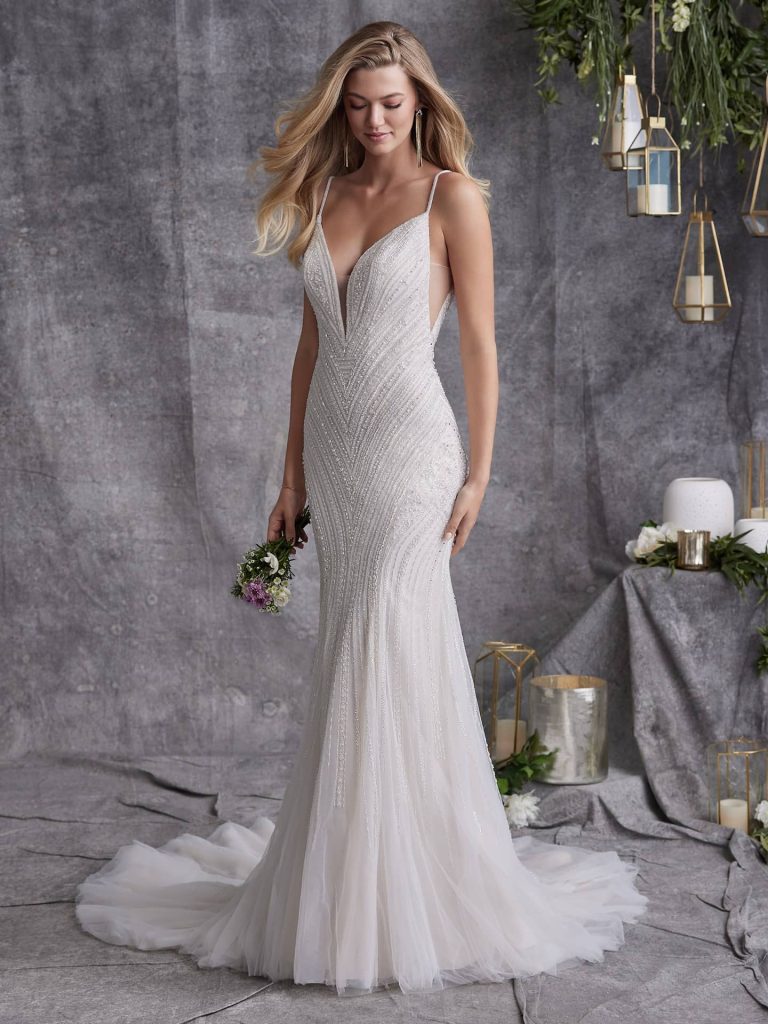
The Bridal & Tuxedo Galleria Restoration Process
Restoring a Vintage Wedding Dress requires far more than traditional alterations, it demands a designer’s eye, preservation expertise, and an understanding of fabrics that have aged across decades. At Bridal & Tuxedo Galleria, our restoration process blends museum-level care with modern couture techniques to honor the history of each gown while preparing it for today’s bride.
We begin with a comprehensive evaluation of the Vintage Wedding Dress, examining fiber integrity, stitch tension, lace stability, and structural weaknesses caused by age. This diagnostic step reveals what is possible, what requires reinforcement, and how much original craftsmanship can be preserved. Every gown tells a different story, and our process is shaped around its unique needs.
Next, we move into gentle fabric preservation—cleaning and brightening without stripping the character of the gown. Unlike standard dry-cleaning, our method uses controlled, hand-guided treatments designed specifically for delicate textiles. The goal is to refresh the gown while respecting the authenticity that makes a Vintage Wedding Dress meaningful.
Once cleaned, we reinforce its internal foundation. Bodice seams, skirt panels, and fragile lace are stabilized to ensure the gown can be worn with comfort and confidence. This step is crucial for bringing structure and wearability back to a Vintage Wedding Dress, especially those created before modern fabrication standards.
The final stage is modernization. Some brides request updated silhouettes, softened sleeves, or fresh illusion details. Others want the gown restored exactly as it once was. Whether minimal or transformative, our adjustments maintain the emotional essence of the Vintage Wedding Dress while enhancing its beauty for the modern bride.
At Bridal & Tuxedo Galleria, every restored gown becomes a bridge between generations, preserved, refined, and ready to walk the aisle once more.
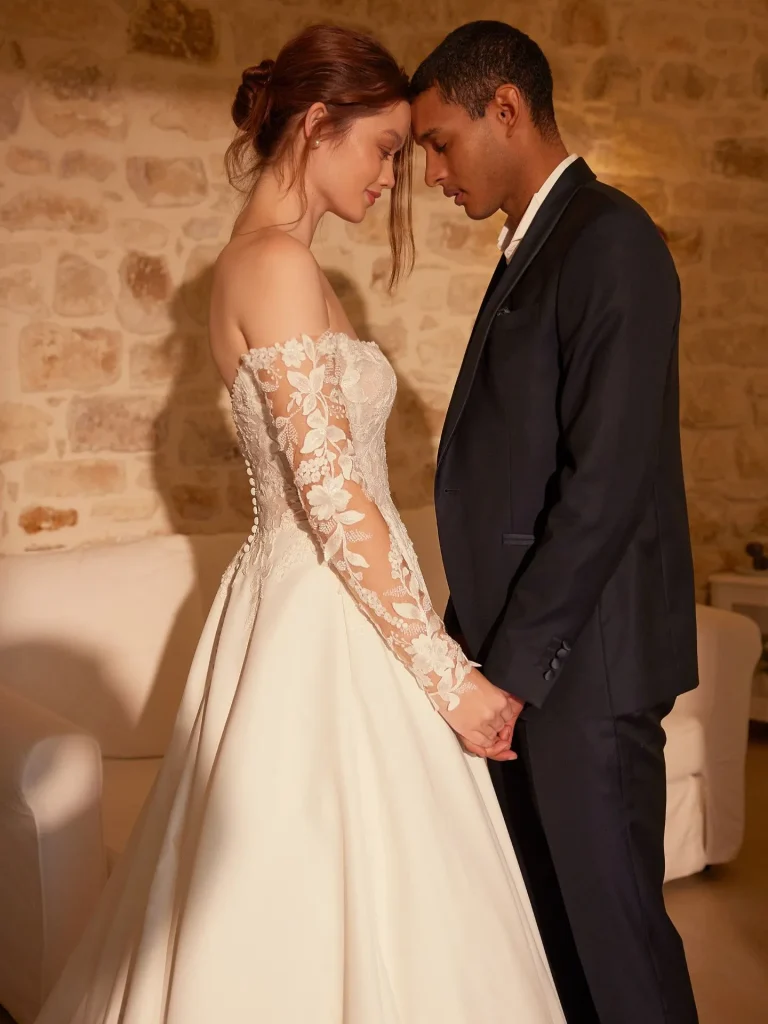
1. Fabric Evaluation & Preservation Testing
Every restoration begins with identifying:
- fiber composition
- age-related damage (tears, oxidation, brittleness)
- tension areas caused by aging stitches
- color stability and fading
Vintage silk, especially pre-1950s, is notoriously delicate. A boho wedding dress from the ’70s may have stretch lace that has lost elasticity. We test everything before performing a single alteration.
2. Structural Reinforcement
Vintage fabrics cannot support weight the same way modern materials can. We often reinforce:
- bodice seams
- understructures
- skirt panels
- shoulder seams
- waistlines
Reinforcement ensures the restored dress is wearable for an entire wedding day, not just a photoshoot.
3. Cleaning & Whitening (Without Damaging Fibre Integrity)
Unlike standard gown cleaning, restoration whitening involves gentle, controlled techniques that avoid stripping delicate fibers.
- We use museum-grade processes like:
- oxygen-based cleaning baths
- hand-controlled solvent cleaning
- lace lifting & spot treatment on appliqués
- The goal is to brighten, not erase history.
4. Lace & Embroidery Revival
- Vintage lace is its own universe—Alençon, Chantilly, Venetian, and Milanese each require different methods.
- We often:
- rebuild missing lace motifs by hand
- re-bead sections using historically accurate beads
- repair scalloped borders
- strengthen or replace illusion mesh beneath lace
- This is the most time-consuming step, and also the most magical.
- 5. Modernization Options for Today’s Bride
- Here is where the artistry of the Lumiere Collection influences my restoration work. Brides often want the gown to reflect modern aesthetics without losing its vintage soul.
- Common modern upgrades include:
- Silhouette Refinement
turning a boxy 1950s gown into a sleek A-line
replacing a heavy crinoline with soft layering
adjusting bodice structures for natural, breathable movement
- Sleeve Transformation
- converting puff sleeves into fitted lace sleeves
- removing sleeves entirely to create a contemporary neckline
- adding flowy bell sleeves for a boho wedding dress look
- Neckline Modernization
- bateau → deep V
- high neck → illusion lace
- straight neck → sweetheart
- Train and Hem Customization
- restructuring stiff cathedral trains
- softening hems
- adding modern horsehair trim
- These changes allow the bride to carry a piece of history while walking confidently into her future.
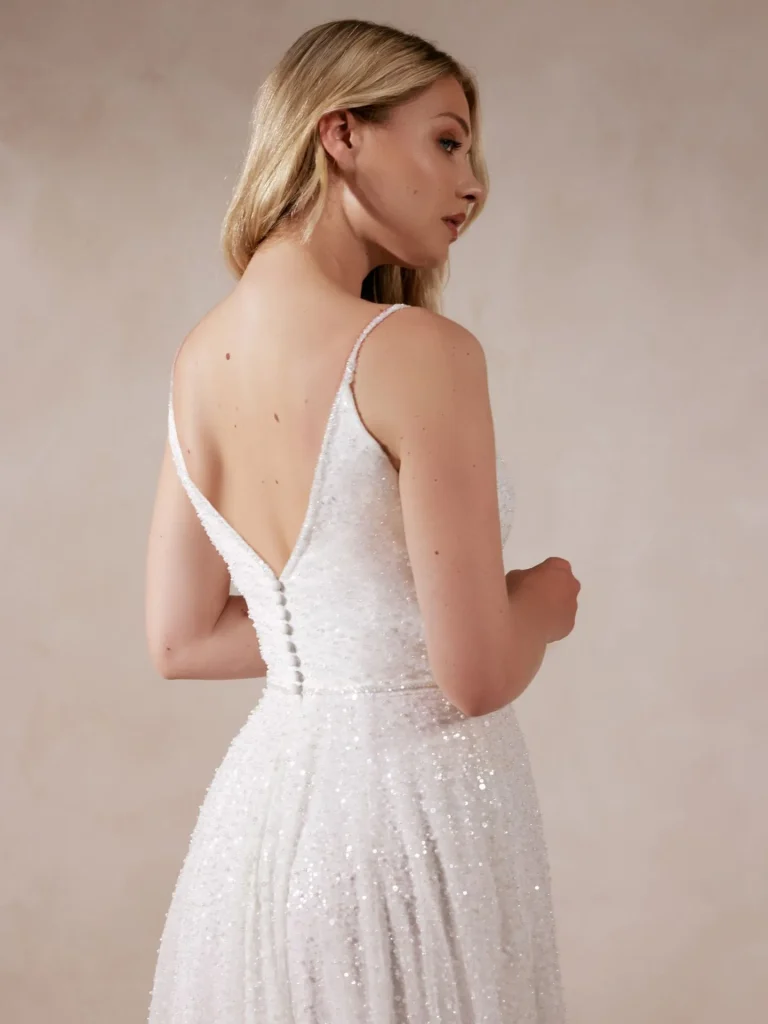
The Step-by-Step Restoration & Structural Reinforcement Process
Step 1: Initial Fiber Assessment and Tension Testing
Before any modification begins, specialists perform comprehensive structural analysis.
This includes:
- Fiber identification
- Seam inspection
- Load-bearing assessment
- Stretch response testing
- Weight distribution analysis
The results determine whether the garment can withstand future alterations.
Step 2: Repairing the Foundation and Stabilizing Weakened Seams
Most vintage dresses require reinforcement long before visible repairs begin.
Hidden structural work may include:
- Rebuilding seam allowances
- Reinforcing lining layers
- Replacing degraded support fabrics
- Stabilizing bias-cut sections
- Strengthening stress points
These invisible interventions create a secure foundation for future wear.
Step 3: Lace Revival and Replacing Missing Beadwork
Rarely does a vintage gown arrive in perfect condition.
Missing pearls, damaged lace motifs, detached embellishments, and broken embroidery frequently require recreation.
Master artisans study original techniques before replacement begins.
The objective is continuity.
A successful restoration makes new work visually indistinguishable from original craftsmanship.
What Brides Should Know Before Restoring a Vintage Wedding Dress
Before beginning the restoration journey, every bride should understand the unique considerations involved in transforming a Vintage Wedding Dress into a wearable masterpiece for today. These gowns are often decades old, crafted with delicate fabrics, aging threads, and intricate lacework that require both patience and specialized care. Restoration is not the same as simple alteration—it is an art form rooted in preservation, skilled technique, and deep respect for the gown’s history.
Brides should also know that no two restorations are the same. The process depends heavily on the gown’s condition, textile strength, and original construction. Some dresses can be fully revived to their former glory, while others may need structural reinforcement or partial redesign to ensure durability and comfort. A Vintage Wedding Dress may require extended timelines, multiple fittings, or custom lace reconstruction to maintain both beauty and wearability.
Honest assessment is essential. A professional restoration expert will guide you through what is possible, what must be protected, and what may need to be reimagined. Whether you wish to modernize specific features or maintain every detail as it was, you should feel supported throughout the process. With clarity, realistic expectations, and expert craftsmanship, your Vintage Wedding Dress can become a meaningful heirloom reborn for your wedding day.
Here is what brides must know:
1. Some Gowns Cannot Be Fully Restored
Silk shatters, lace disintegrates, and certain fibers weaken beyond reconstruction. In such cases, we offer hybrid solutions, such as:
incorporating original lace into a brand-new gown
adding vintage sleeves or motifs to a contemporary silhouette
creating a detachable vintage overskirt
This still preserves the emotional essence.
2. It Takes Time
True restoration is slow, intentional, and handcrafted.
Expect 6–12 weeks for moderate restorations and 3–6 months for complex Art Deco or heavily beaded gowns.
3. Alteration vs. Restoration Are Not the Same
Most brides underestimate the difference.
Alteration = fit.
Restoration = structural integrity + preserved artistry + modernization + preservation.
4. Emotional Value Matters as Much as Design
Many brides cry when they see the restored gown for the first time.
My job is to protect that moment.
Vintage Wedding Dress + Boho Style: Why These Aesthetics Pair Beautifully
The rise of the Boho Wedding Dress trend has made vintage silhouettes more desirable than ever. The lightness, romantic sleeves, crochet lace, and effortless flow of boho styling intersect perfectly with 1930s through 1970s gowns.
Many boho brides come to us wanting:
bell sleeves inspired by 1970s lace
soft movement reminiscent of era-specific draping
earthy, soulful embroidery
illusion lace with modern comfort
By combining elements of boho fashion with the historical flair of a vintage wedding dress, we create gowns that feel deeply personal and profoundly expressive.
Frequently Asked Questions
What qualifies as a vintage wedding dress?
A vintage wedding dress is generally considered a gown that is at least 20 years old and reflects the design characteristics, fabrics, and craftsmanship of a specific era.
Are vintage wedding dresses popular in 2026?
Yes. Many modern brides are choosing vintage wedding dresses because they offer individuality, sustainability, exceptional craftsmanship, and a meaningful connection to fashion history.
How do I know if a vintage wedding dress is authentic?
Authentic vintage gowns often feature construction techniques, fabrics, hand-finished details, and labels that correspond to the period in which they were originally made. A professional bridal expert can help verify authenticity.
Can a vintage wedding dress work with modern bridal trends?
Absolutely. Vintage gowns can complement today’s bridal aesthetic through thoughtful styling, contemporary accessories, modern veils, and fashion-forward details that enhance the original design.
What are the best accessories for a vintage wedding dress?
Popular choices include pearl jewelry, cathedral veils, romantic hair combs, patina gold accents, and minimalist designer accessories that create a beautiful balance between classic elegance and contemporary style.
Conclusion
Vintage wedding dresses offer something increasingly rare in modern bridal fashion. They bring together history, craftsmanship, character, and individuality in a way that feels deeply personal. Every fabric, silhouette, and handcrafted detail reflects the artistry of a different era while allowing today’s bride to create a look that feels entirely her own.
Whether inspired by Old Hollywood glamour, delicate European lacework, or the timeless elegance of family heirlooms, a vintage wedding dress creates a powerful connection between past and present. For brides seeking authenticity, sophistication, and a truly unforgettable bridal statement, vintage fashion continues to be one of the most meaningful choices in 2026 and beyond.

Leave a Reply