
How to Customize Wedding Dresses: The Complete Designer Bridal Guide
By Kayla Garett
Brides can customize wedding dresses by adding sleeves, adjusting a neckline, refining bodice support, shortening a train, or adding details such as lace and a detachable overskirt. What you can change depends on the gown’s construction, the designer’s policy, and whether the right fabric and enough fitting time are available. Confirm any essential change before purchasing the gown.
If you’re shopping in San Diego, Orange County, or elsewhere in Southern California, ask yourself whether you’d still buy the gown if your proposed change proved impractical. A dress you love for its silhouette and fabric can be an excellent starting point. If both the bodice and skirt need rebuilding, try on gowns that already incorporate those features before deciding. Brides’ guide to wedding dress alterations
What Does It Mean to Customize Wedding Dresses?
Wedding dress customization changes the design or function of an existing gown. Hemming it to work with your shoes is a fit alteration. Adding a removable sleeve, reshaping the neckline, or creating an overskirt changes how the gown looks or how you wear it. Some changes can be ordered from the designer before the gown is made. Others happen during fittings.
| Bridal option | What changes | Design freedom | Main considerations | Best for |
|---|---|---|---|---|
| Basic fit alterations | Hem, strap length, seam fit, or bust support | Fit and function | Seam allowance, layers, and shoe height | You love the design and want a better fit |
| Existing-gown customization | Selected features such as sleeves, neckline, or train | Depends on the gown’s construction | Materials, support, labor, and timing | You want specific changes to a gown you love |
| Semi-custom gown | Approved options on an existing designer style | Within the designer’s options | Style eligibility and ordering deadlines | An available production option meets a priority |
| Bespoke gown | An original design developed for you | Broad scope within technical and budget limits | Fabric, pattern development, fittings, and lead time | Several essential design features need to work together |
If you already love a gown’s silhouette, fabric, and fit, identify the one feature that would make the biggest difference. Try on a few styles that already have that feature so you can compare the effect in person. Explore our designer wedding dresses
How to Customize a Designer Wedding Dress Step by Step
1. Choose a foundation gown you can wear comfortably
Check where the waist falls, how the cups sit, and how the skirt moves when you take a full step. A stylist may clip a sample to help you visualize the fit. Ask which parts of the shape come from the clips and how the gown would sit once ordered and fitted.
2. Explain what you want the dress to do
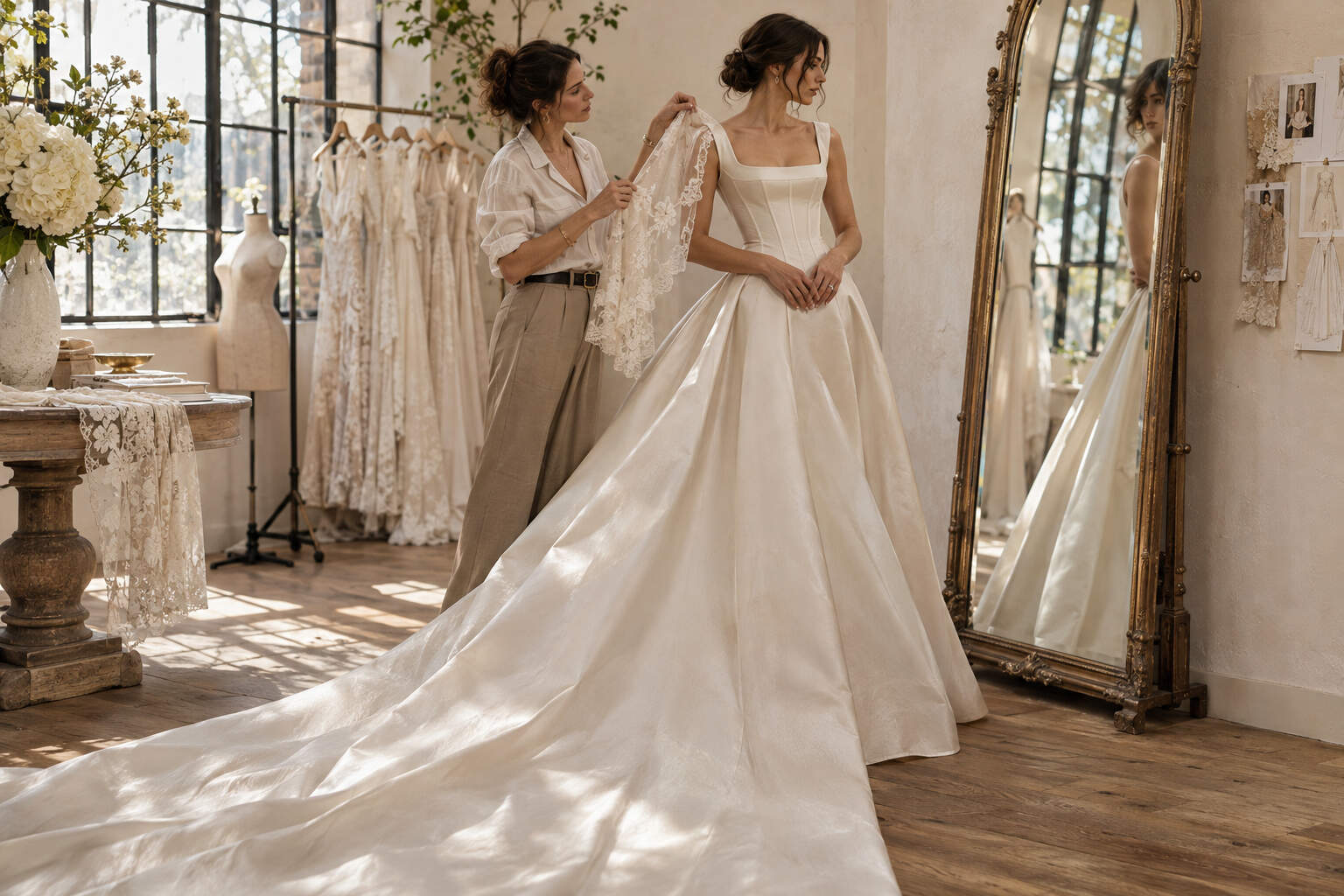
Bring a few references and describe what you like about each. If you need shoulder coverage through the ceremony and room to dance afterward, say so. A fitted lace sleeve, a removable topper, and an off-the-shoulder drape can create different effects and give you different ranges of motion. Share your venue and any cultural, religious, or personal coverage requirements.
3. Decide which changes are essential
Secure bust support and opaque coverage might be must-haves. Covered buttons might be optional, and a restrictive sleeve might rule a gown out. Sorting your requests this way helps your stylist suggest options that address the features that matter most to you.
4. Get the gown assessed before you commit
Ask a bridal alterations specialist or couture designer to examine the seams, lining, cups, boning, fasteners, and lace placement. Find out whether matching material is available and whether the designer offers the change when ordering. If you already own the gown, bring it in so the specialist can see how the interior is built.
5. Review the full cost and scope
Request an itemized estimate covering materials, labor, anticipated fittings, and possible revisions. If you’re still shopping, compare the purchase price plus fit and design work with the cost of a gown that already has the features you need. Ask what happens if matching fabric is unavailable or the fitting reveals additional work.
6. Approve the change during fittings
Review the proposed shape or placement with pins, a swatch, or a sample component when possible. Document what you approve before the fabric is cut. Check the updated neckline, sleeves, closure, and removable pieces while moving so you can catch pulling or slipping before the final fitting.
7. Plan the final fitting and pickup
Wear your wedding shoes and intended undergarments. Walk in the finished hem and ask someone who will be at the wedding to practice securing the bustle. Confirm pickup, transport, and fabric-appropriate steaming or pressing instructions, especially if you’ll be traveling with the gown.
The wedding day movement test
Walk at ceremony pace, then take a longer step to see whether your heel clears the hem. Sit in a low chair and notice whether the boning digs in or the bodice shifts. Hug someone, raise both arms, and turn to check for pulling at the neckline or closure. Try stairs with assistance where available, then dance briefly with the train bustled. If you’re wearing detachable pieces, repeat the movements with them on and off.
12 Beautiful Ways to Customize a Wedding Dress
1. Change the wedding dress neckline
A sweetheart neckline can sometimes be softened toward a scoop, or an illusion inset can provide more coverage in a V-neck or plunge. Reshaping a bodice into a square neckline may require rebuilding the corners, adjusting the straps, or changing the cups. Ask where the existing support ends before lowering the neckline. Cutting into the upper edge of a strapless bodice can affect how securely it stays in place.
2. Add custom sleeves or bridal straps
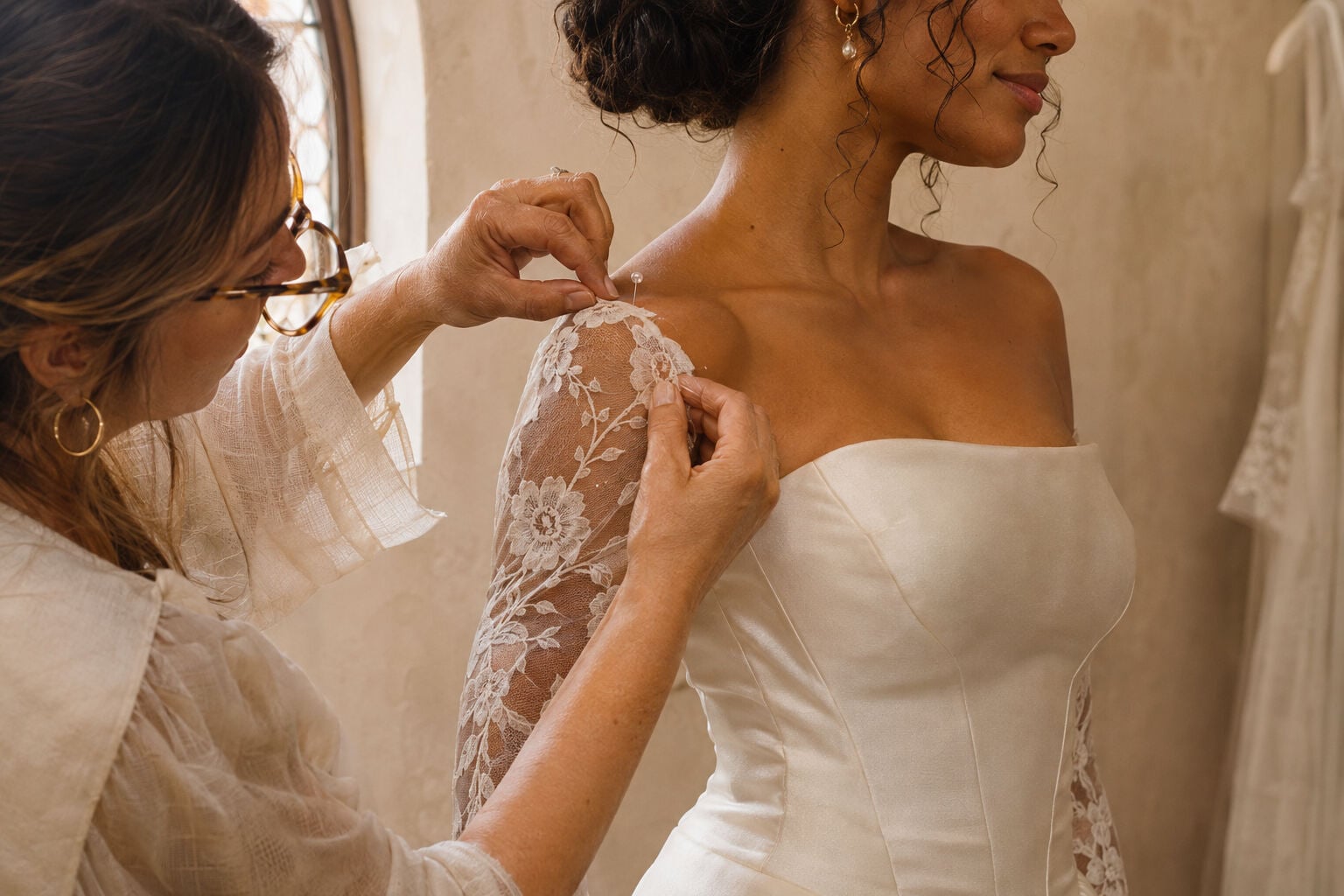
Long lace sleeves, illusion sleeves, cap sleeves, and off-the-shoulder drapes each need different attachment points. A fitted sleeve needs room at the shoulder and underarm so it can move without tugging the bodice. Decorative straps can change the line of a gown, while straps that provide support need stronger anchors. Lift your arms and reach forward during the fitting to see how the sleeve and bodice move together. BTG’s guide to adding sleeves to a wedding dress · The Knot’s guide to bridal sleeve options
3. Personalize the corset or bodice
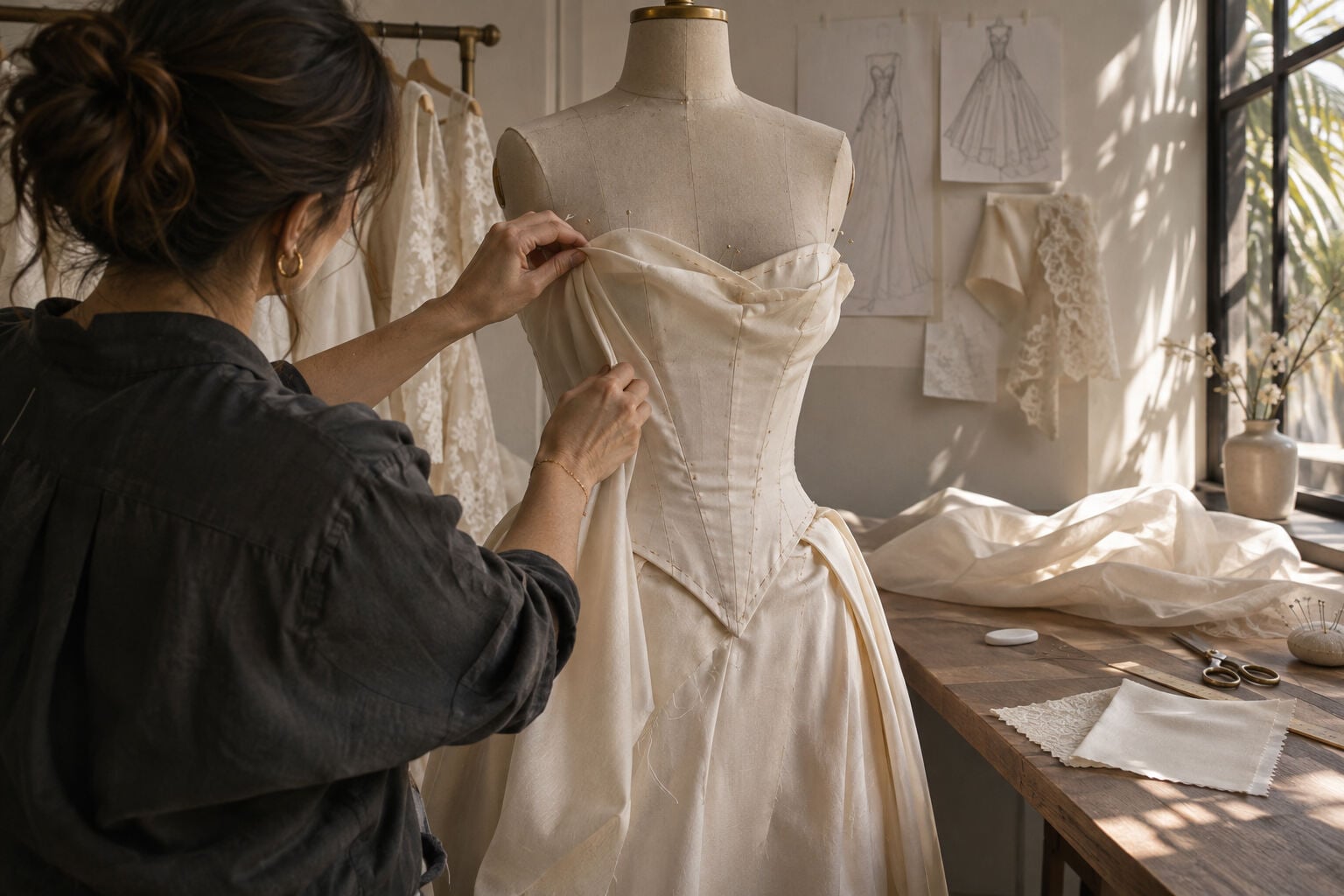
Moving cups, adjusting existing boning, or assessing the waist stay can change how the bodice carries weight. A waist stay is an internal band that helps anchor the gown. Sheer panels and visible seams can create the look of corsetry, so ask your fitter which parts of the bodice provide the support you feel when you’re wearing it.
4. Change the back of the wedding dress
Covered buttons can refine the look of some existing closures. A lower V-back, an illusion panel, or a zipper-to-lace-up conversion typically involves more work. A functional corset back may need reinforced edges, lacing loops, and a modesty panel. Lowering the back can also reduce the tension that holds the front bodice against the body.
5. Add lace, pearls, embroidery, or appliqué
A few lace motifs can connect a plain sleeve to a patterned bodice. Embroidery at a cuff can draw attention to the hands, and a small cluster of pearls can frame a neckline. Compare the scale and direction of the decoration with the original pattern. Heavy beads can distort lightly supported mesh or pull on nearby seams.
6. Adjust the skirt shape or volume
A specialist may be able to reduce a ball gown’s fullness by adjusting the petticoat or removing an appropriate support layer. A sheath follows straighter lines, while a mermaid or fit-and-flare gown relies on fitted panels and a planned flare point. An A-line skirt rarely has the seams and proportions needed for a convincing mermaid conversion. Try on the silhouette you want before committing to that level of reconstruction.
7. Customize the train
A train can sometimes be shortened, removed, or bustled, depending on the skirt panels and hem finish. If a lace border follows the hem, the specialist may need to lift and reapply it. Extending a train can require matching fabric and rebuilding back skirt panels. If you mainly want more length for the ceremony, try a detachable train.
8. Add a detachable overskirt
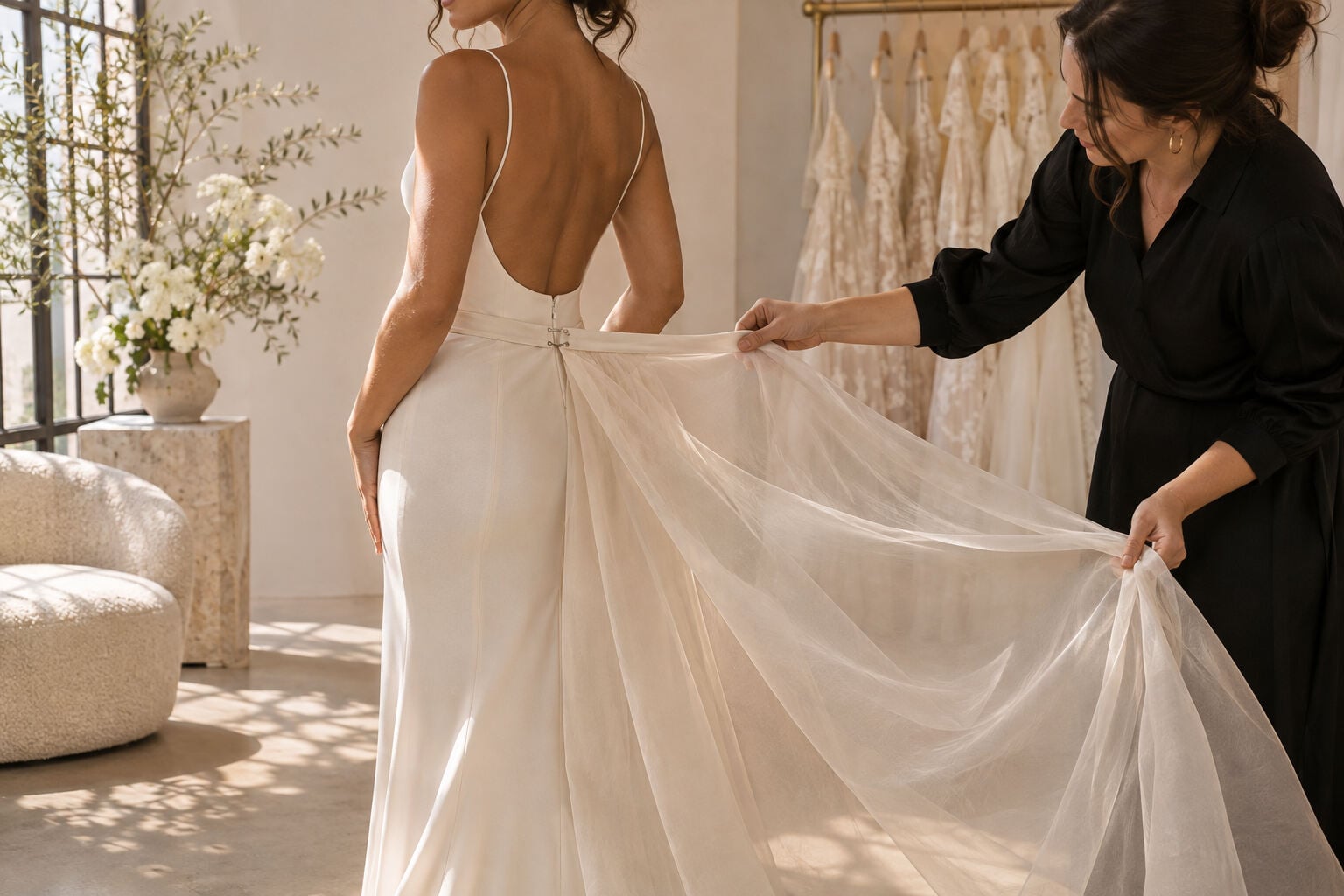
An overskirt can give a fitted gown a fuller ceremony silhouette. Check whether the waistband interrupts a pointed waistline or presses on beads. Ask how the fasteners will look and feel after removal. A split-front overskirt can show the original skirt while adding volume at the sides and back. Vogue Weddings’ guide to overskirts and bridal toppers
9. Add a custom bridal cape or bolero
A cape adds movement or shoulder coverage, while a fitted bolero can offer more control over coverage at the neckline and arms. Compare swatches in daylight and indoor lighting, particularly when choosing between similar ivory tones. A sheer layer or a repeated lace motif can tie the pieces together when an exact fabric match is unavailable.
10. Adjust the waistline and bodice proportions
A natural or defined waist emphasizes the transition into the skirt. A dropped waist moves that transition lower, and a basque waist typically dips to a point in front. Changing the placement of a sewn waistline can involve separating the bodice and skirt, then adjusting the seams, lining, and support so they meet correctly at the new position.
11. Personalize the gown with meaningful details
A monogram inside the lining, a family button near the closure, or heirloom lace sewn into a removable accessory can add personal meaning. Bring the original material for assessment. If it’s fragile, use a location where it will take minimal strain, such as the inside of the gown or a separate accessory.
12. Create a second look for the reception
Choose a change you can make easily, such as taking off sleeves, removing a cape, or releasing a separate train. If the base gown still has a train, practice switching looks and securing the bustle together. Decide who will help you and where you’ll put the removed pieces. Check that any remaining fasteners are discreet and comfortable.
| Customization | Visual impact | Typical complexity | Main consideration | What to ask your stylist |
|---|---|---|---|---|
| Higher neckline or deeper plunge | High | Moderate to higher | Bodice support and lace placement | What happens to the cups and upper edge? |
| Detachable sleeves | Moderate to high | Lower to moderate | Attachment points and range of motion | Can I hug someone without pulling the bodice? |
| Fitted sleeves or functional corset back | High | Higher | Reinforcement and pattern fit | Where will the new tension sit? |
| Pearls or lace appliqué | Low to high | Lower to higher | Fabric weight and handwork | Can we test the placement and weight? |
| Train shortening or bustle | Moderate | Lower to higher | Layers and decorative hem | How will the motifs and train folds sit? |
| Detachable overskirt | High | Moderate to higher | Waist attachment and volume | Can you show me both looks? |
Complexity varies by gown. If you have one change in mind, show your stylist the exact area during a try-on. Book a bridal appointment in San Diego
What Parts of a Designer Wedding Dress Are Hardest to Change?
Changes are hardest where several elements meet, such as a neckline edged with appliqué or an illusion back held taut by seams. A small cut can affect fit across a much larger area. Compare other gowns if your change requires rebuilding several panels, sourcing unavailable fabric, or dismantling the structure that makes the dress comfortable to wear.
| Construction detail | What makes the change harder | What to check before approving |
|---|---|---|
| Narrow seam allowance | Too little fabric may be available to let out or reshape safely | Ask how much usable fabric sits inside the seam |
| Built-in corsetry or a low back | Moving an edge or closure may change support across the bodice | Ask how the new shape will stay anchored |
| Continuous lace, embroidery, or beading | Motifs or beads may need to be removed and reapplied by hand | Review seam placement and pattern alignment |
| Fitted illusion mesh | A new seam or tension change may show against the skin | Check color, opacity, and fit in daylight |
| Vintage or hard-to-match fabric | Older fibers can tear, and replacements may differ in color or sheen | Have the material assessed and consider a removable piece |
How a couture designer evaluates a structural change
Deepening a plunge can shift the cups, reduce support at the top of the bodice, or interrupt the lace framing the neckline. A designer examines how the new line looks and whether the bodice holds its shape under tension. At a fitting, test the proposed change while sitting, reaching, and turning. Those movements can reveal strain you won’t see when standing in front of the mirror.
Customizing a Designer Wedding Dress vs. Designing a Dress From Scratch
An existing gown lets you assess its silhouette, fabric, support, and movement before committing. Bespoke design gives you more control over fabric and proportion, with time needed for pattern development, design approval, production, and fittings. When your priorities span the bodice, waist, and skirt, compare the total scope of reconstruction with an original design.
Consider these three examples:
- A bride loves her strapless gown and wants sleeves. She can try a detachable sleeve or topper first, then ask whether the dress can support a fitted long sleeve if she needs more coverage.
- A bride wants a softer neckline and a small lace detail. She can pin the proposed shape and check where the cups and original lace begin. The specialist can then determine whether the change can stay within that area.
- A bride wants a different silhouette and bodice. She can try gowns already cut to those proportions and compare them with a bespoke quote. Reworking both components changes the scope of the project considerably.
At a design consultation, Navid Noor can help you compare the work each approach would involve. Read our custom wedding dress design guide
How to decide whether a customization is worth it
| Criterion | Proceed when | Reconsider when |
|---|---|---|
| Visual improvement | The change solves a specific design or coverage need | You’re still unsure about the overall silhouette |
| Structural feasibility | The specialist can explain the required seams, support, and materials | The work depends on unavailable fabric or doubtful seam allowance |
| Comfort and mobility | The gown stays secure while you sit, walk, and reach | You have to adjust the bodice or sleeves after moving |
| Cost and timing | The estimate and fittings work with your plans | A late delivery or extra fitting would leave no buffer |
| Consistency with the gown | The new detail follows the gown’s proportions and finish | The work would interrupt the lace, fabric, or waistline you love |
How Much Does It Cost to Customize a Wedding Dress?
The cost depends on how many areas must be opened, rebuilt, or finished by hand. A few sewn accents may use little material. Recutting a neckline or replacing a back closure can involve pattern work, reinforcement, and extra fittings. Designer policies, fabric availability, and rush service can also affect the estimate. The Knot’s guide to bridal alteration costs
| Modification | Main cost factors |
|---|---|
| Hem or train adjustment | Number of layers, decorative borders, and bustle points |
| Sleeves, straps, or topper | Material match, pattern work, and attachment method |
| Lace, beading, or embroidery | Motif sourcing, hand sewing, and restoration at seams |
| Neckline, back, or corsetry | Reconstruction, lining, reinforcement, and additional fittings |
| Detachable overskirt | Fabric quantity, structure, waistband, and finish |
Ask for a gown-specific estimate after an in-person assessment. An alterations estimate covers work on an existing dress. A couture quote may also cover design development, materials for the full gown, a new pattern, mock-ups, and construction.
How Long Does Wedding Dress Customization Take?
Timing depends on when the gown arrives, how quickly you can approve the design, material availability, and your fitting schedule. Plan for the initial assessment, approval, sourcing, sewing or construction, fittings, and final preparation. Hemming a gown in the intended shoes and rebuilding an embroidered bodice require different timelines.
| Scope | When to start the conversation | What may set the schedule |
|---|---|---|
| Simple alterations | Once you know when the gown will be in hand | Gown arrival, shoe choice, and fitting availability |
| Moderate design changes | Before buying if the change is essential | Material approval, ordering deadlines, and a trial fitting |
| Complex reconstruction or bespoke design | At the start of gown shopping | Sourcing, pattern work, multiple fittings, and final approval |
Bridal & Tuxedo Galleria recommends starting alterations 8 to 12 weeks before the wedding. Complex modifications and bespoke work may need more lead time. If you’re traveling for your wedding, share your departure date and schedule time to test both looks if you’re using detachable pieces.
Which Wedding Dress Fabrics Are Best for Customization?
The right fabric depends on what you want to change. Compare weight, drape, grain, transparency, and how visible an added seam will be. A small appliqué on a plain, supported bodice may be straightforward. Placing that motif on embroidered mesh can require working around the existing pattern and preventing the mesh from stretching.
- Mikado and satin. Mikado often holds a sculptural fold. Satin varies in weight and stiffness, and its reflective surface can highlight seam tension or pressing marks. Compare swatches with the grain and sheen running in the same direction.
- Crepe and silk. A close-fitting crepe skirt can show rippling when tension is uneven. Silk is a fiber used in fabrics with very different behavior, from fluid charmeuse to crisp organza. Identify the specific fabric before sourcing a replacement.
- Tulle and organza. Tulle can create airy volume, while organza generally gives sheer layers more shape. Check exposed seams, the opacity of layered fabric, and how the new panel will hang beside the original.
- Chantilly lace, guipure, embroidered mesh, and beaded fabrics. Fine Chantilly motifs and bolder guipure motifs require different placement and support. Embroidery and beads may need to be cleared from seam areas, then restored by hand. Brides’ guide to wedding dress fabrics
How to Customize Wedding Dresses for Different Bridal Styles
Modern minimalist bridal style
Consider a subtle neckline refinement or a matching detachable overskirt. Smooth fabrics make waist placement and seam finish easy to see. Look at the proposed change in side lighting to check how the new line lies against the gown.
Romantic lace wedding dresses
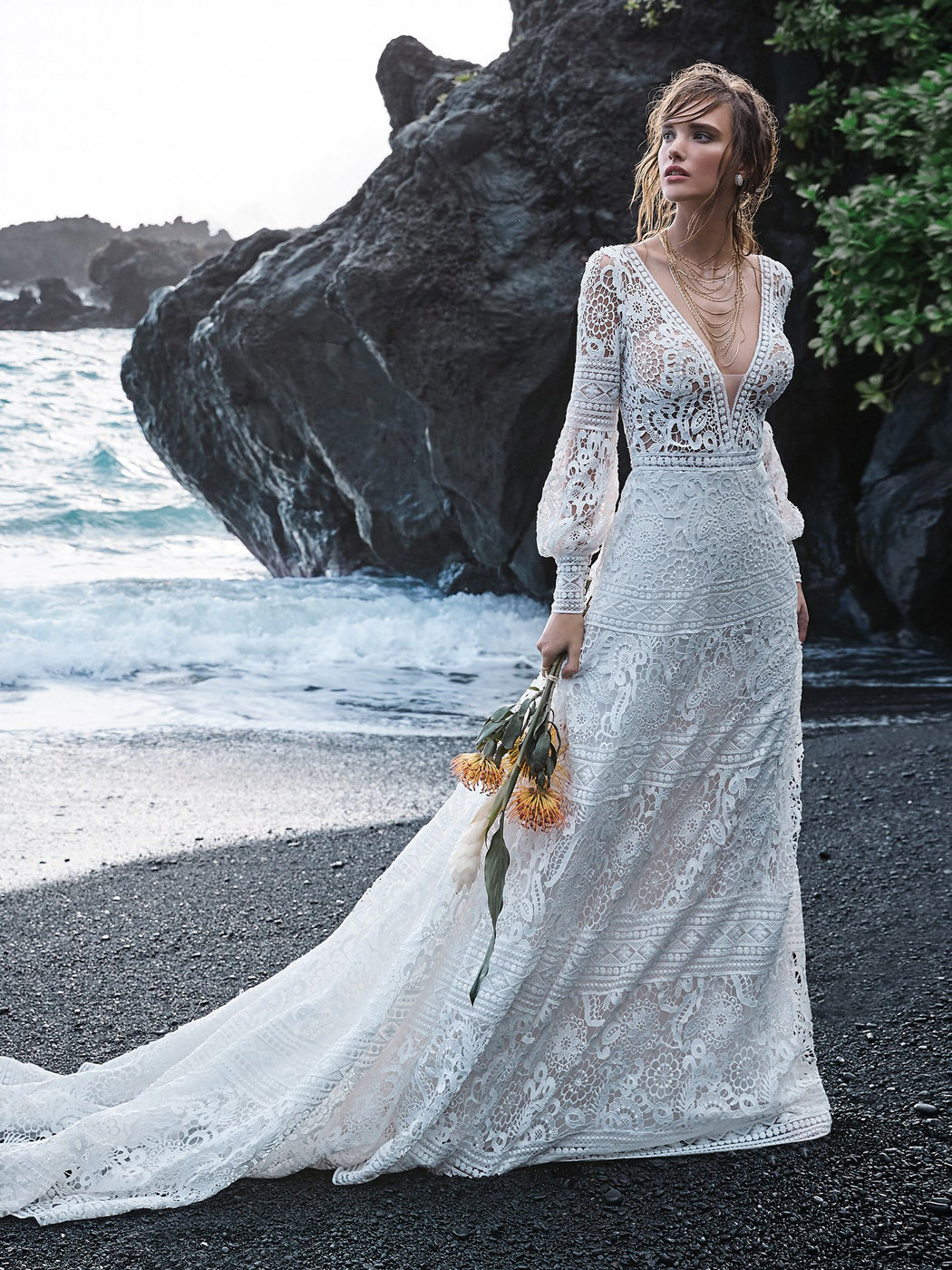
Try a sheer lace sleeve or repeat a floral motif on a removable topper. Compare the scale of the embellishment across the bodice and sleeve so the added piece feels like part of the design.
Regal ball gowns
Assess the bustle and, where the construction allows, adjust the petticoat for easier movement. Try walking and turning in the full skirt before deciding how much volume to keep.
Modern fitted couture
Refine bodice support and check whether the skirt’s flare gives you a comfortable stride. If you want more ceremony volume, try an overskirt over the fitted gown and compare both shapes in the mirror.
Vintage-inspired wedding dresses
Consider covered buttons or a discreet heirloom lace detail. Echo finishes you already like, such as a scalloped edge or closely spaced buttons. Have actual vintage material checked for signs of wear before sewing it into a high-tension area.
Modest and covered bridal styles
Compare a higher inset, an opaque bodice lining, or a fitted topper. Check coverage in daylight and while seated, particularly where a sheer layer overlaps an opaque one.
Convertible ceremony-to-reception gowns
Choose a removable piece and coordinate it with the base gown’s bustle and accessories. Photograph both versions during the fitting so you can see how the neckline, waist, and overall silhouette change.
The Navid Noor Couture Approach to Personalized Wedding Dresses
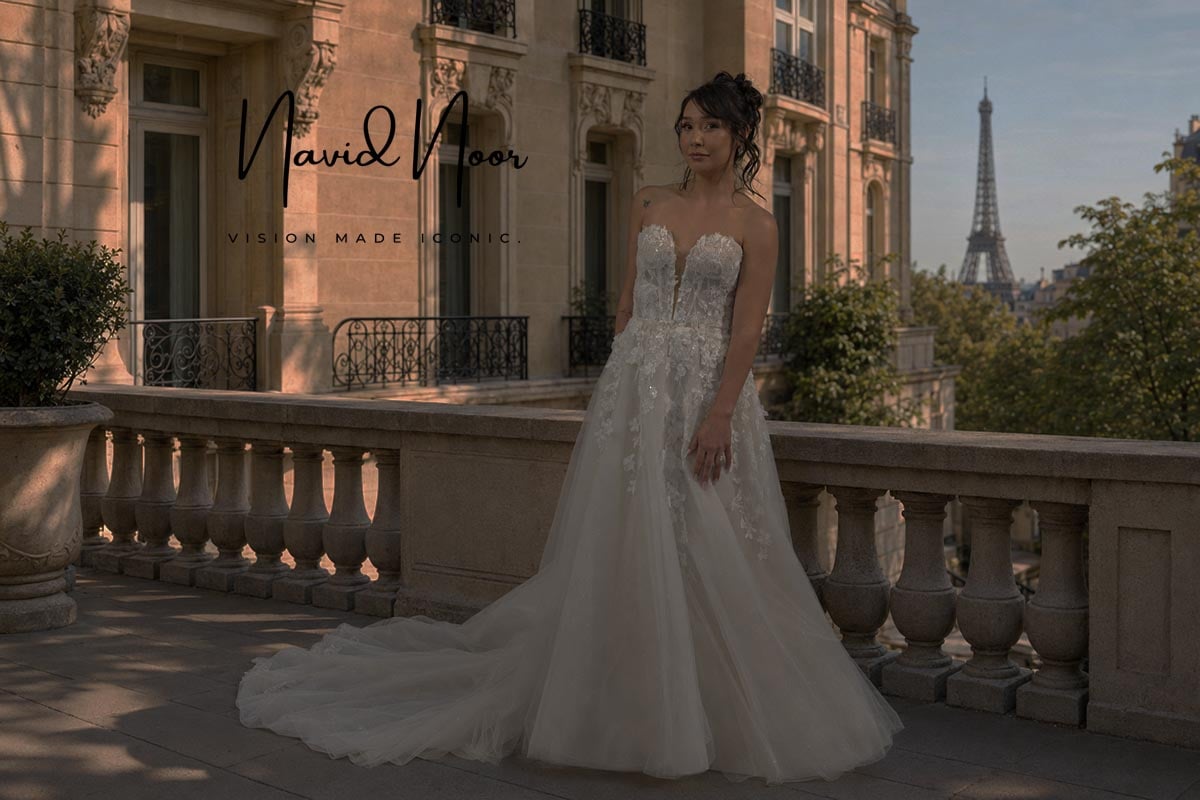
Navid Noor is the owner and head designer of Bridal & Tuxedo Galleria. His exclusive collection illustrates how silhouette, embellishment, proportion, and movement work together. These gowns are examples of original design choices. Any proposed modification is assessed on the individual dress. Explore the Navid Noor Couture Collection
- Elysia pairs a structured corset-inspired bodice and pointed basque waist with a full ball gown skirt. The waist point shows how closely the proportions of the bodice and skirt are linked.
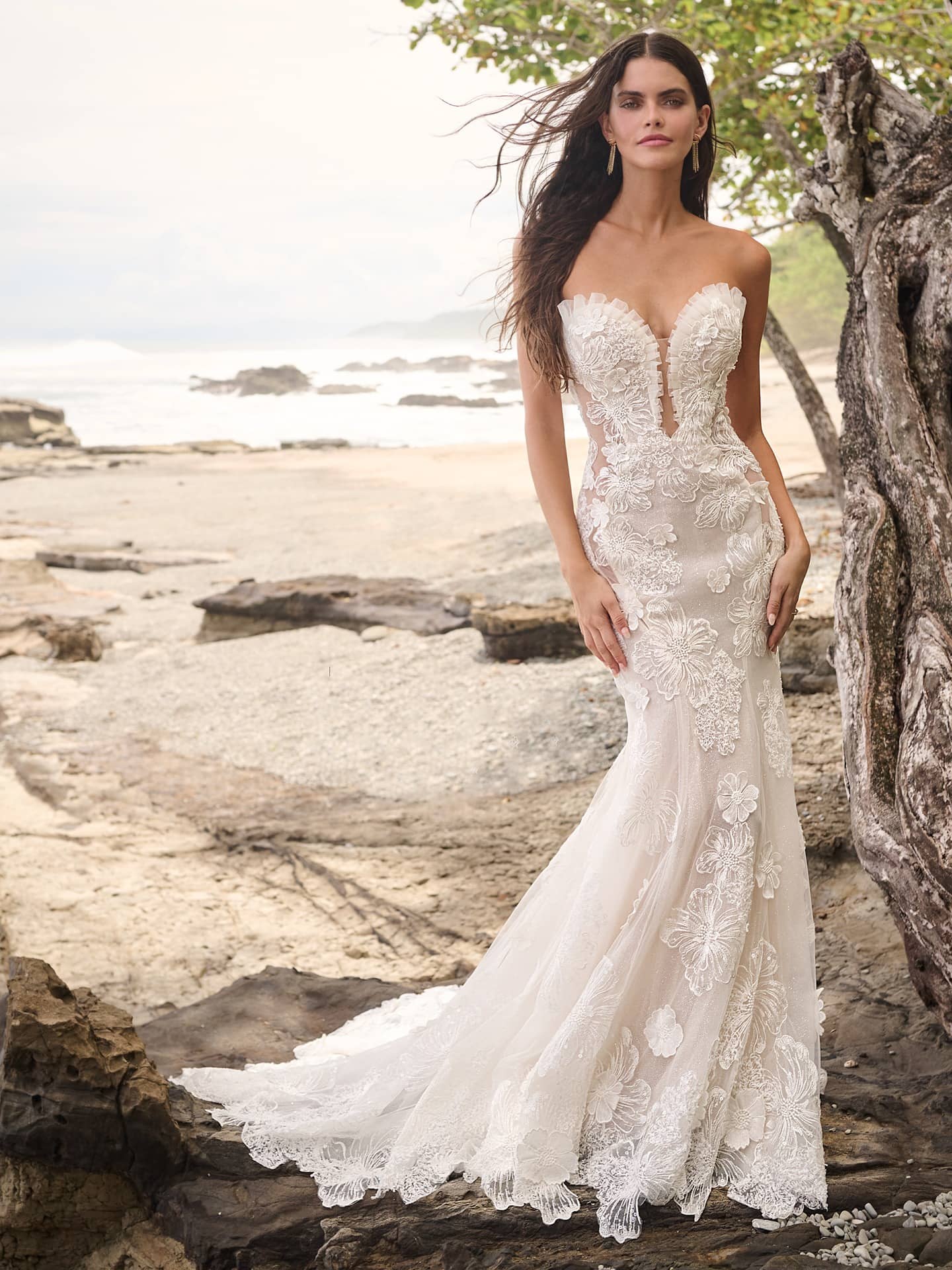
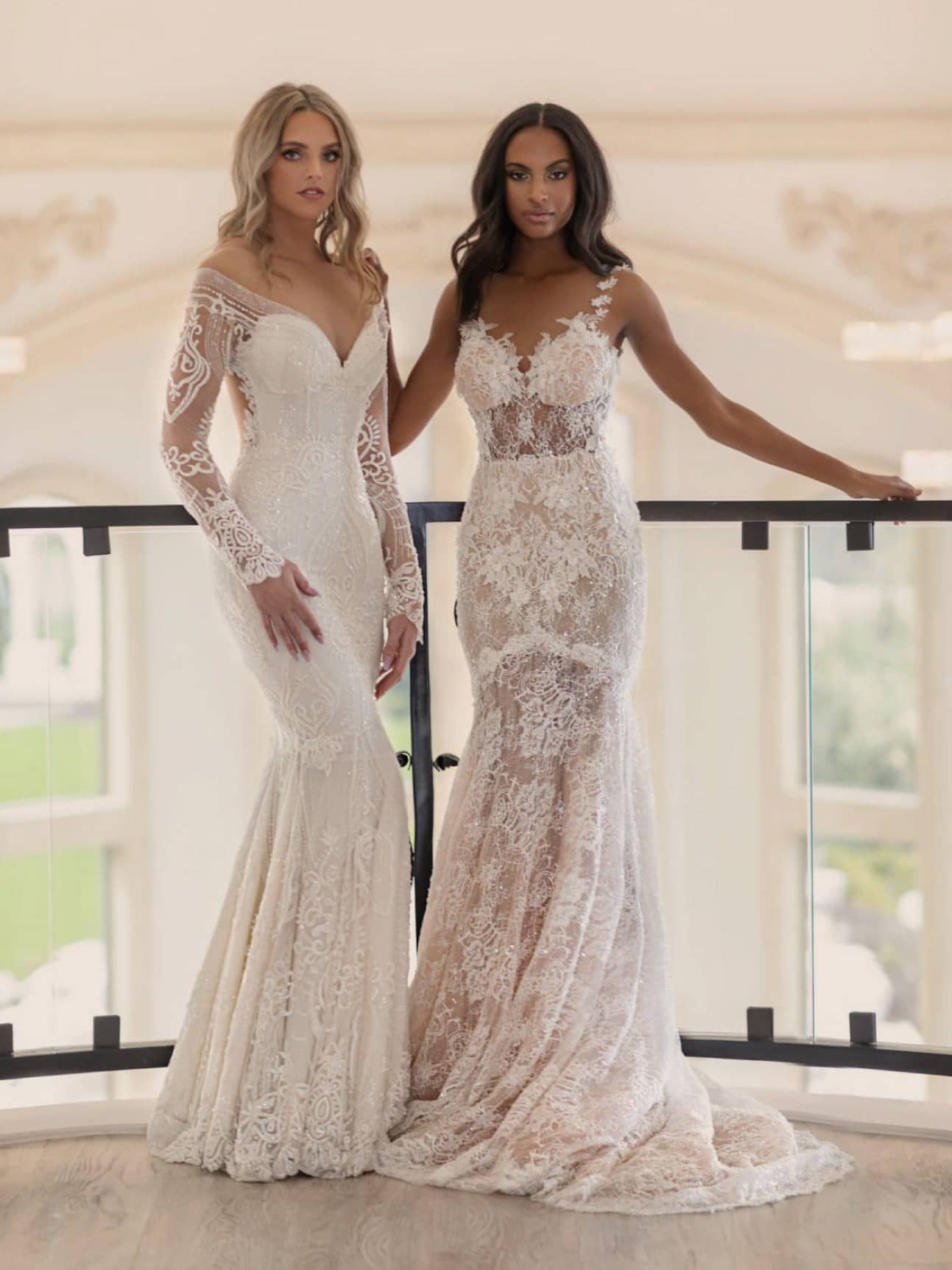
- Amelia combines a sculpted fit-and-flare silhouette with a plunging illusion neckline and floral embellishment. Its continuous floral detailing shows how a seam change can affect the visual flow of a gown.
- Kayla pairs a plunging sweetheart-inspired neckline and illusion corset-inspired bodice with an A-line skirt and dimensional floral appliqué. The positioning of the flowers draws the eye from the neckline to the waist.
- Mercedes combines an off-the-shoulder sweetheart-inspired neckline, a sheer corset-inspired bodice, and long lace sleeves. The design offers a reference for brides comparing shoulder coverage and the way a lace motif continues across a gown.
If your idea affects several parts of the dress, ask about a separate designer-led consultation and confirm Navid Noor’s availability.
Customization Ideas for Southern California Brides
San Diego coastal weddings
Wind can lift a cape or lightweight overskirt. If you’ll be near sand or a bluff, practice gathering the train and fastening removable layers. Look at how the gown moves outdoors as well as in the fitting room.
Orange County weddings with a formal reception
A sculptural overskirt can add ceremony volume to a fitted base. Check how the layers sit at the waist and plan who will help with the change between portraits and dinner.
Los Angeles ballroom weddings
A long train or structured skirt adds presence from across a ballroom. Check stairs and tight turns, and look at how the beading photographs indoors before adding more embellishment.
Temecula and Southern California vineyard weddings
Grass, gravel, and dust can affect how you manage the skirt between ceremony and portraits. Check hem clearance in your wedding shoes and see whether the bustle keeps the train away from uneven ground.
Garden, estate, and resort weddings
A removable topper can help as the temperature shifts from afternoon to evening. Test your arm movement and see whether fine lace or mesh catches on jewelry or outdoor seating.
7 Customization Mistakes Brides Should Avoid
- Buying a gown that needs a full redesign. Try on at least one dress with your preferred silhouette and bodice before budgeting for reconstruction.
- Assuming every neckline or sleeve can be changed. Get the exact style assessed before paying for a gown that depends on the change.
- Waiting until the wedding is close. Share both your wedding date and your departure date before approving the work.
- Judging the gown from the outside alone. Ask how the lining, cups, boning, and closure interact with the requested change.
- Adding several competing details. Choose one focal point and check how each addition relates to it from across the room.
- Approving the fit while standing still. Sit, reach, walk, and dance in the altered dress before giving final approval.
- Proceeding without a quote or fitting plan. Get the scope, materials, anticipated fittings, and expected pickup date in writing.
How to Prepare for a Wedding Dress Customization Consultation
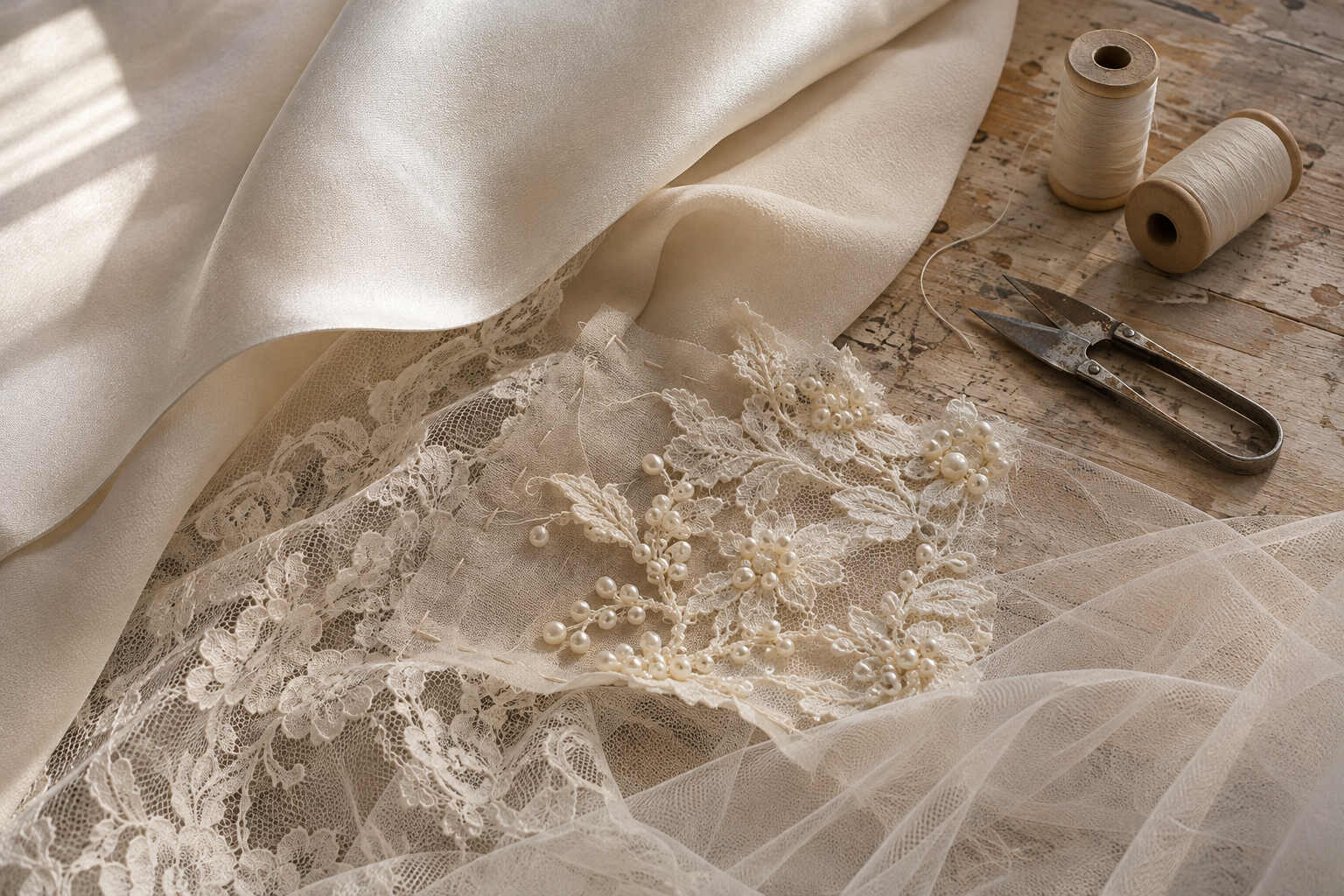
Bring your wedding and travel dates, ceremony and reception locations, and the gown or its style number if you have one. Include a few references that show details you like and details you’d avoid. Share your preferred silhouette, coverage or cultural requirements, support priorities, and budget. Pack your intended shoes, undergarments, and any heirloom materials you want to incorporate.
Ask these five questions before approving the work:
- Is this modification possible on my specific gown?
- How would it affect the structure, fit, or support?
- Does the original designer restrict the modification or offer it when ordering?
- What will it cost, how many fittings might it require, and what could complicate the work?
- When should I approve the change and collect the finished gown?
Why Work With Bridal & Tuxedo Galleria in San Diego?
Our San Diego boutique brings more than 30 years of bridal experience to designer gown shopping, one-on-one styling, in-house alterations, and custom design consultations. A free, stylist-led bridal appointment gives you time to compare gowns and talk through the details you want to personalize. If you’re weighing a structural change or an original couture design, ask about arranging a separate designer-led consultation.
Wedding Dress Customization FAQs
Can you customize wedding dresses after buying them?
Yes. A bridal alterations specialist can assess an already purchased gown for changes such as straps, appliqué, a modesty inset, or a bustle. Bring the gown and any matching accessories or spare fabric. If you’re still within a return window, check the terms before authorizing a permanent change.
Can you add fitted sleeves to a strapless wedding dress?
Sometimes. A fitted sleeve needs a secure anchor and enough armhole and shoulder room to move without pulling the bodice. Ask whether the existing upper edge can carry the sleeve. Try a detachable sleeve or fitted topper if you also want a sleeveless look for the reception.
Can you change a sweetheart neckline to a square neckline?
It depends on the existing neckline, available fabric, and support underneath the bodice. A square neckline may need stronger corners or straps and a different cup shape. Ask to see the proposed line pinned on the gown while you’re wearing it, and confirm how it will be supported.
Can you add a corset or corset back to a wedding dress?
Possibly. If you want more support, have the cups, boning, and overall bodice fit assessed first. If you want a functional lace-up back, ask whether the edges can be reinforced without distorting the side seams. Decorative lacing is an option when the change is primarily visual.
Can you make a wedding dress more modest?
Often. A neckline inset, opaque lining, or detachable topper can add coverage. Tell the specialist which areas you want covered and for which parts of the day. Assess the fabric in daylight and indoor lighting, and check coverage while seated, leaning forward, and moving your arms.
Can you shorten or remove a wedding dress train?
Many trains can be shortened, depending on the skirt seams and decorative hem. Removing a train completely can require reshaping the back panels. If your main concern is walking or dancing after the ceremony, see how the dress moves with a bustle before deciding whether to remove length permanently.
Can a detachable overskirt work with any gown?
An overskirt works best when the dress has a practical place to position or anchor its waistband. Check for bulk over lace or beads, whether the skirt rotates when you walk, and how the attachment looks once you remove it. Try the overskirt on with your shoes and practice sitting in it.
Can an A-line wedding dress become a mermaid gown?
Usually, this change requires substantial reconstruction. A mermaid skirt relies on a close fit through the hips and thighs and a controlled flare below. An A-line’s seams and grain may be arranged for volume much higher on the body. Try on a mermaid gown first if that fitted shape is important to you.
Is it cheaper to customize a designer gown or commission a custom gown?
Limited changes often involve a smaller scope of work. If the existing gown needs substantial reconstruction, compare its purchase price plus all fit and design work with a complete couture quote. Ask both providers to include materials and fittings so you can see which estimate covers the changes you need.
Can a sample-sale wedding dress be customized?
Yes, if the sample’s condition, measurements, and fabric allow it. Have a specialist check the seams, closure, hem, and any missing beads before you commit. Request an estimate for condition repairs as well as fit and design work, especially if the sample is being sold on a final-sale basis.
Can I bring a gown from another boutique for alterations in San Diego?
Bridal & Tuxedo Galleria works with gowns purchased elsewhere. Ask about your specific dress and requested work when booking, especially if you’re considering a major change. Share the label, style number, wedding date, and any previous alterations so the team can advise you on the next step. BTG’s wedding dress alterations guide
Can I ask about customization before purchasing my wedding dress?
Yes. Bring references and flag any change that affects whether you’ll buy the gown, such as full shoulder coverage or more bodice support. Ask whether the designer offers it when ordering or whether your dress would need alterations after it arrives. For Navid Noor’s input, check availability for a separate couture consultation.
Bring Your Vision to Life at Bridal & Tuxedo Galleria
When you customize wedding dresses, start with the features you already love. Confirm the changes you need before you buy, then use your fittings to see how the finished design supports you, moves with you, and works for your wedding day.
Bring your ideas to our San Diego boutique to compare designer gowns or discuss a dress you already own. If your vision involves the bodice, silhouette, or several design elements together, ask about a Navid Noor couture consultation.
Book Your Bridal Appointment
Explore a Navid Noor Couture Consultation

Author bio :
Kayla brings more than 10 years of hands-on experience in bridal fashion and boutique styling, specializing in personalized bridal consultations and luxury client experiences. As the manager of the San Diego location of Bridal and Tuxedo Galleria, she is known for her keen eye for detail, deep understanding of couture wedding dress design, and ability to guide brides toward a gown that reflects their unique vision and wedding aesthetic. Her approach blends fashion expertise with genuine care, ensuring every bride feels confident, understood, and unforgettable on her wedding day
Call Now

Your Personalized Wedding Dress Shopping Experience in San Diego With over 30 years of styling expertise, our dedicated team is passionate about helping you find the perfect wedding dress and tuxedo.

Leave a Reply