
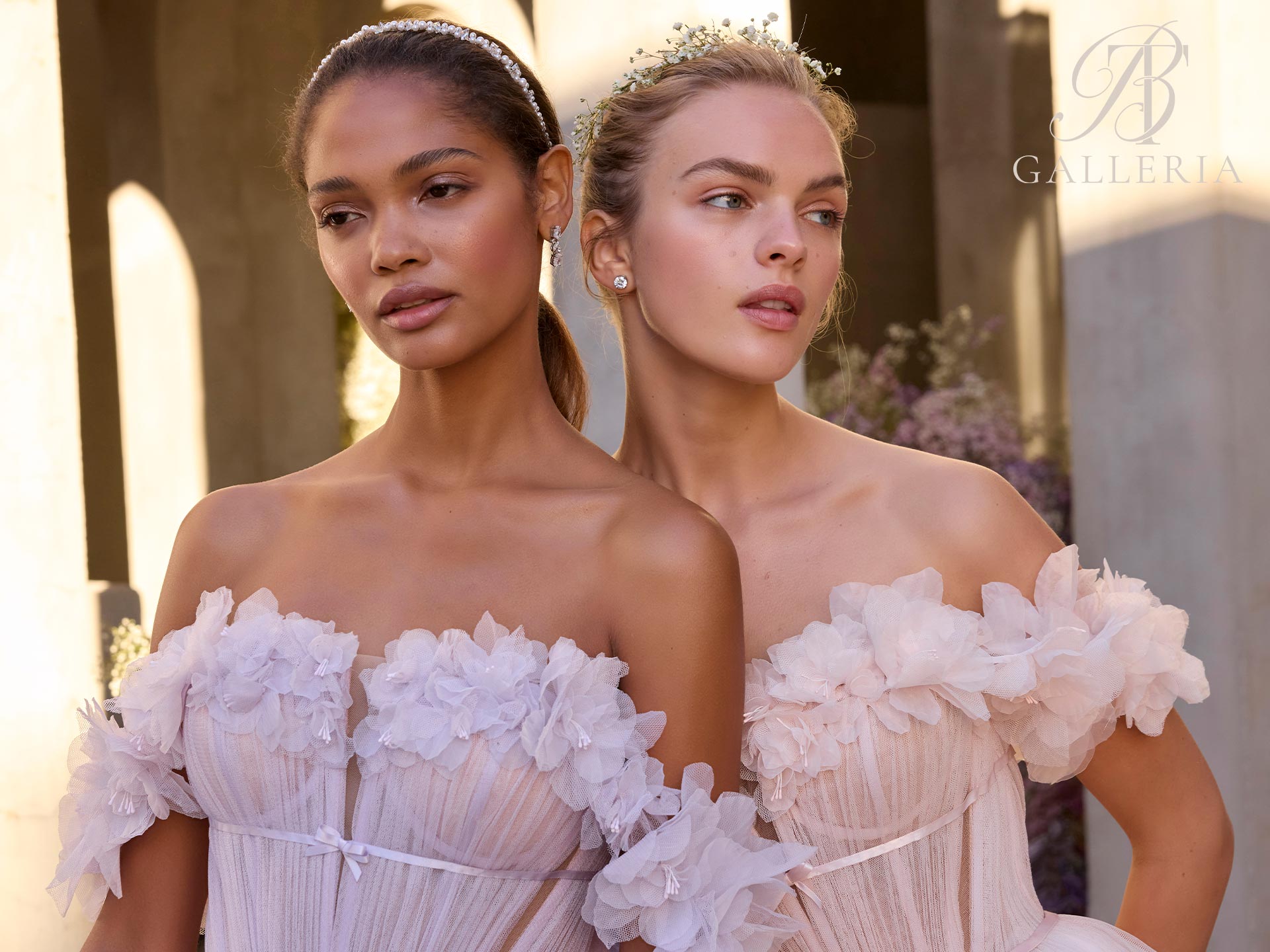
Everything You Need to Know About Wedding Dress Neckline Alterations
A wedding gown can fit perfectly through the waist, hips, and hem , and still feel completely “off” because of the neckline. That’s the part many brides don’t realize until the first fitting. The neckline controls how the dress frames your face, supports your bust, photographs from every angle, and ultimately determines whether the gown feels authentically you.
At Bridal and Tuxedo Galleria, our bridal stylists and in-house alteration specialists regularly work with brides who love 90% of their gown but need strategic neckline adjustments to make the dress feel truly custom. Sometimes that means softening a plunge neckline for comfort. Other times, it means completely rebuilding the upper bodice to transform the silhouette.
The reality is this: neckline alterations are among the most technically sensitive modifications in bridal tailoring. A poorly executed adjustment can distort boning, flatten the bust line, weaken structural support, or create tension across lace and illusion fabrics. But when performed correctly, the neckline becomes the feature that elevates the entire gown.
This guide breaks down the real-world process, costs, risks, timelines, and design considerations brides should understand before altering a wedding dress neckline
Why Brides Alter Wedding Dress Necklines
Most neckline alterations are not simply about trends. They are about balance, comfort, confidence, and proportion.
Common reasons brides request neckline modifications include:
- Wanting more coverage for a religious ceremony or family preference
- Enhancing bust support for all-day comfort
- Creating a more elongated neckline in photos
- Modernizing an older or conservative gown
- Softening an overly revealing plunge
- Adjusting strap placement after weight changes
- Matching the gown to jewelry, veil, or hairstyle choices
- Improving posture and shoulder balance
In couture bridal tailoring, the neckline often becomes the emotional focal point of the dress because it sits closest to the face. Small changes can dramatically affect the overall bridal aesthetic.
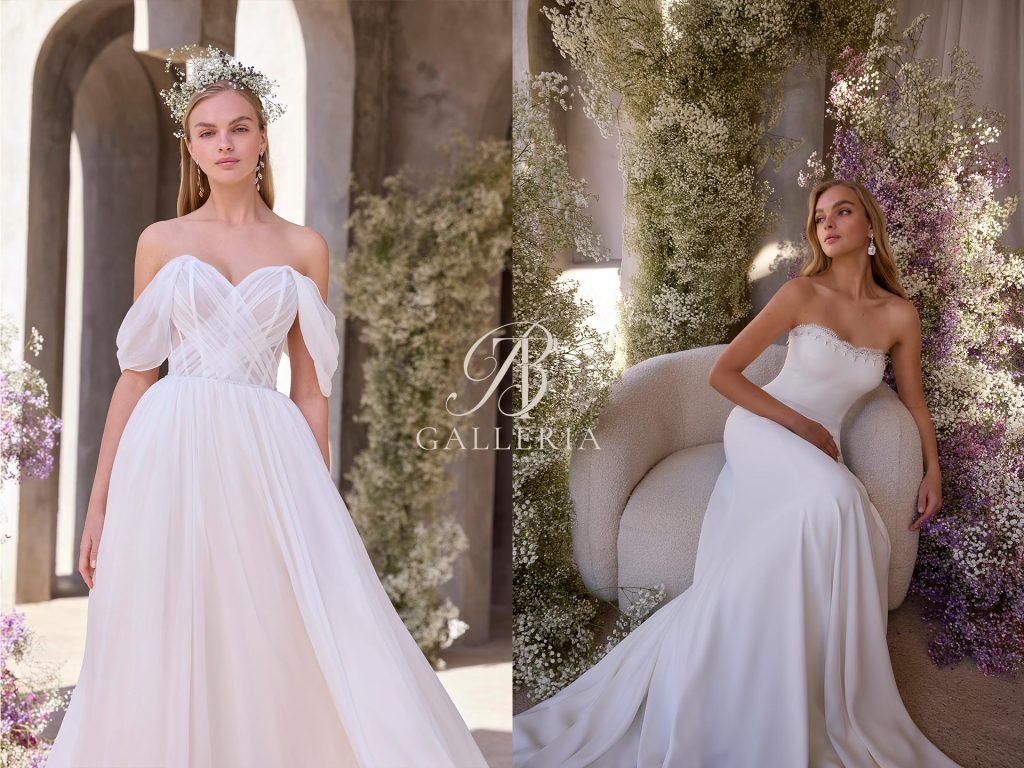
Wedding Dress Neckline Alterations at a Glance
| Neckline Style | Most Common Alteration | Difficulty Level | Typical Cost Range | Timeline Estimate | Structural Risk |
|---|---|---|---|---|---|
| Sweetheart | Raise/lower curve depth | Moderate | $150–$450 | 2–4 weeks | Medium |
| Deep V-Neck | Reduce plunge depth | Moderate–High | $200–$600 | 3–6 weeks | High |
| Boat Neck | Narrow or widen neckline | Moderate | $150–$400 | 2–4 weeks | Low |
| Illusion Neckline | Replace mesh or lace | High | $300–$900+ | 4–8 weeks | Very High |
| Off-the-Shoulder | Tighten sleeve support | Moderate | $180–$500 | 2–5 weeks | Medium |
| Halter | Rebuild strap support | High | $250–$700 | 3–6 weeks | High |
| Strapless Conversion | Remove straps/add support | High | $400–$1,200+ | 6–10 weeks | Very High |
Insider Reality Check: Brides often underestimate how interconnected the neckline is with the internal corsetry. Changing the neckline frequently requires rebuilding cups, boning placement, strap tension, or shoulder balance.
The Most Popular Wedding Dress Neckline Alterations
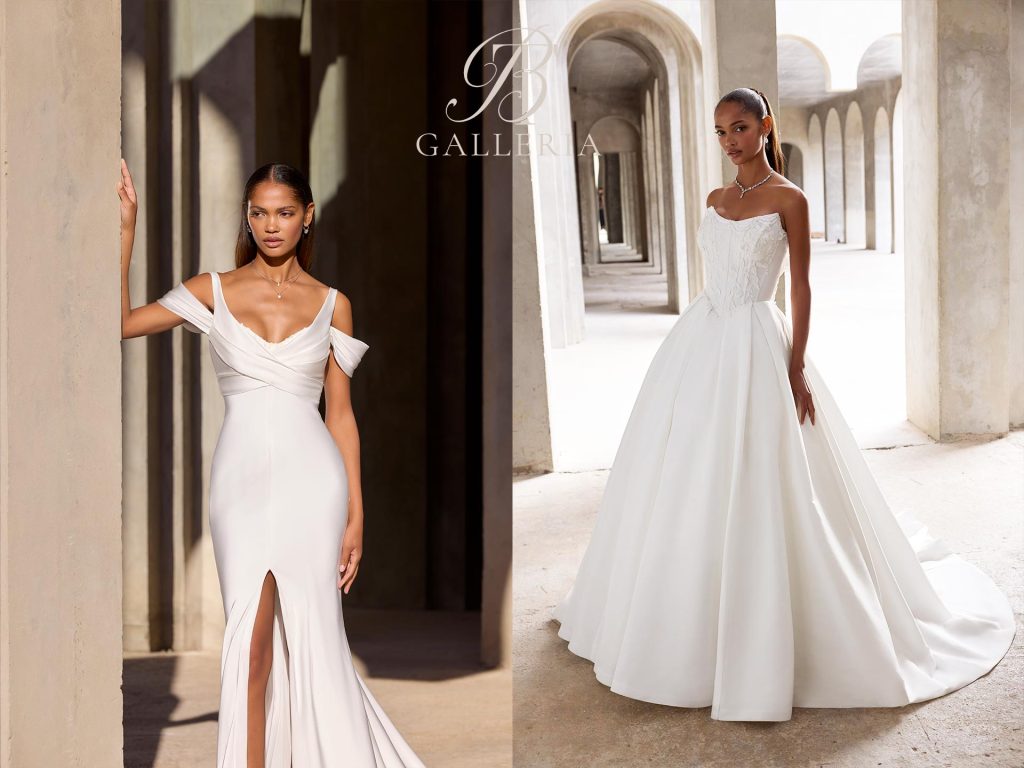
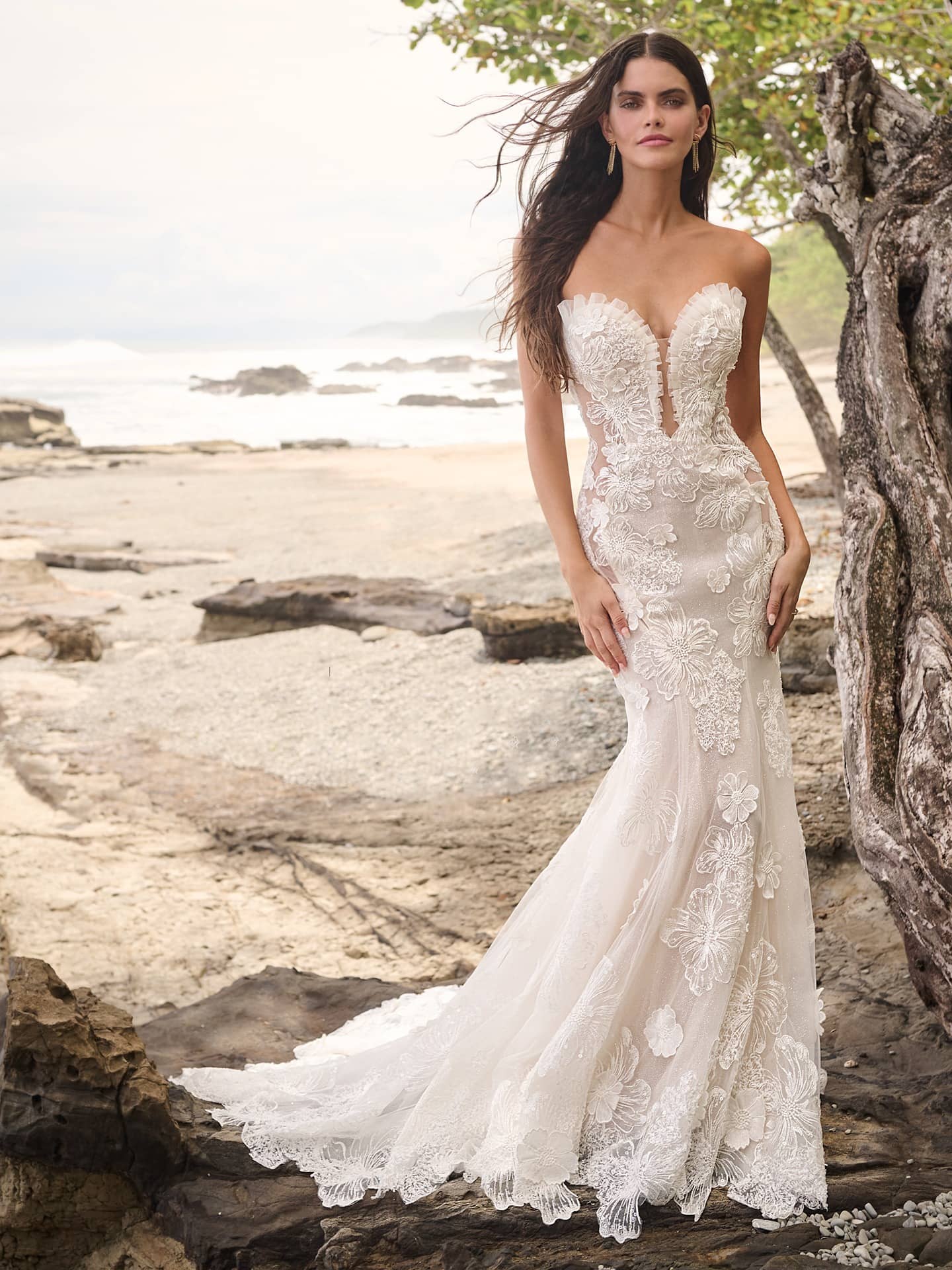
Sweetheart Neckline Adjustments
The sweetheart neckline remains one of the most universally flattering bridal styles because it enhances shape without looking overly aggressive in photographs.
Alterations typically involve:
- Softening the curve for a more modern silhouette
- Raising the neckline for additional support
- Deepening the center dip for drama
- Reshaping asymmetrical curves
For structured satin gowns, adjustments are generally more predictable. Lace-heavy bodices require more reconstruction because appliqué placement must remain visually balanced.
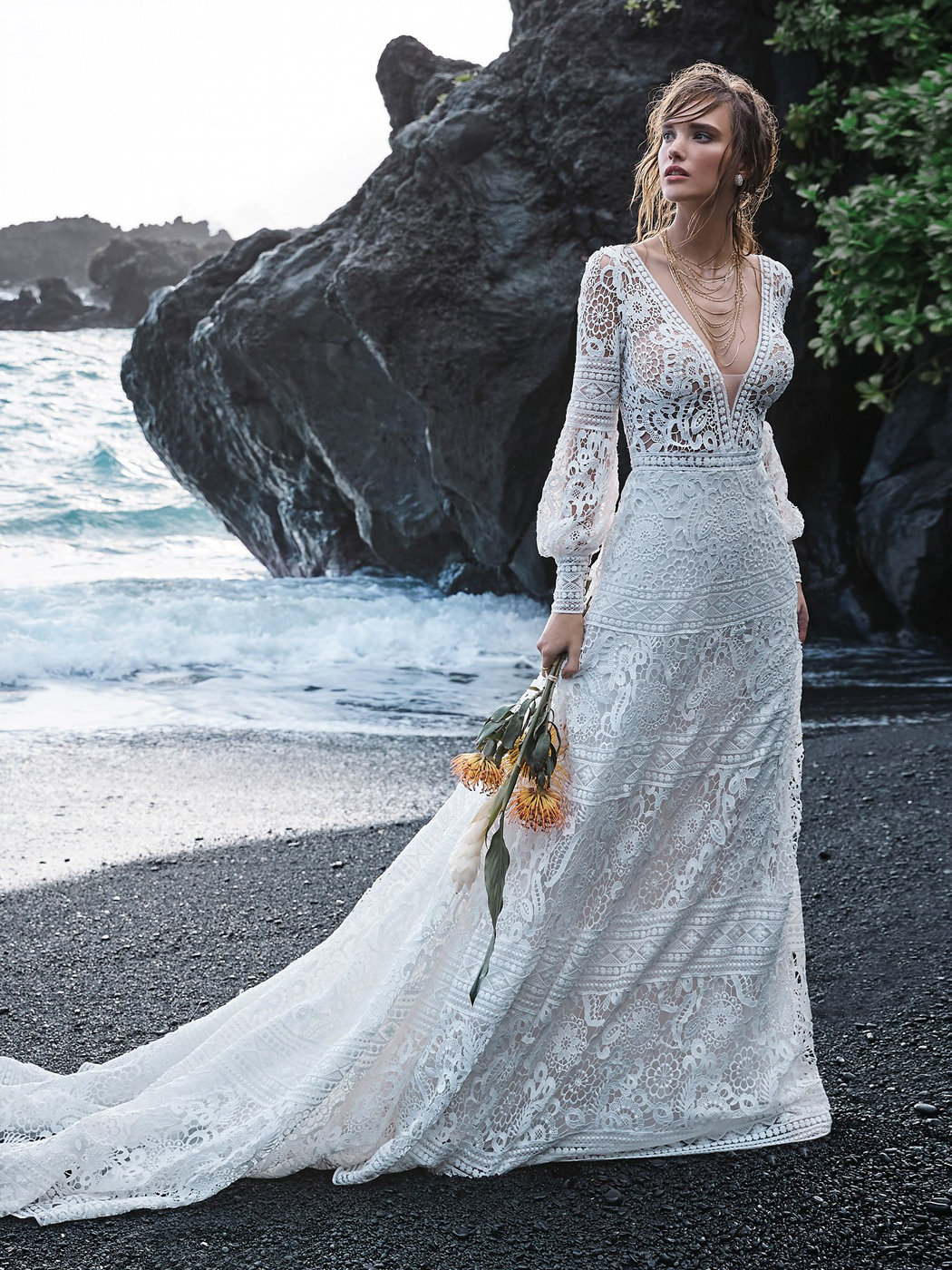
Deep V-Neck Modifications
Deep plunge gowns are stunning in editorial photos but often require practical adjustments for real-world movement, dancing, and ceremony comfort.
Brides frequently request:
- Additional illusion mesh
- Raising the plunge by 1–3 inches
- Reinforced hidden support
- Cup restructuring for security
A common misconception is that reducing a plunge is “simple.” In reality, altering a deep V often affects:
- Bust tension
- Strap placement
- Bodice symmetry
- Waist pull distribution
This is why experienced bridal alteration specialists matter significantly.
Illusion Neckline Reconstruction
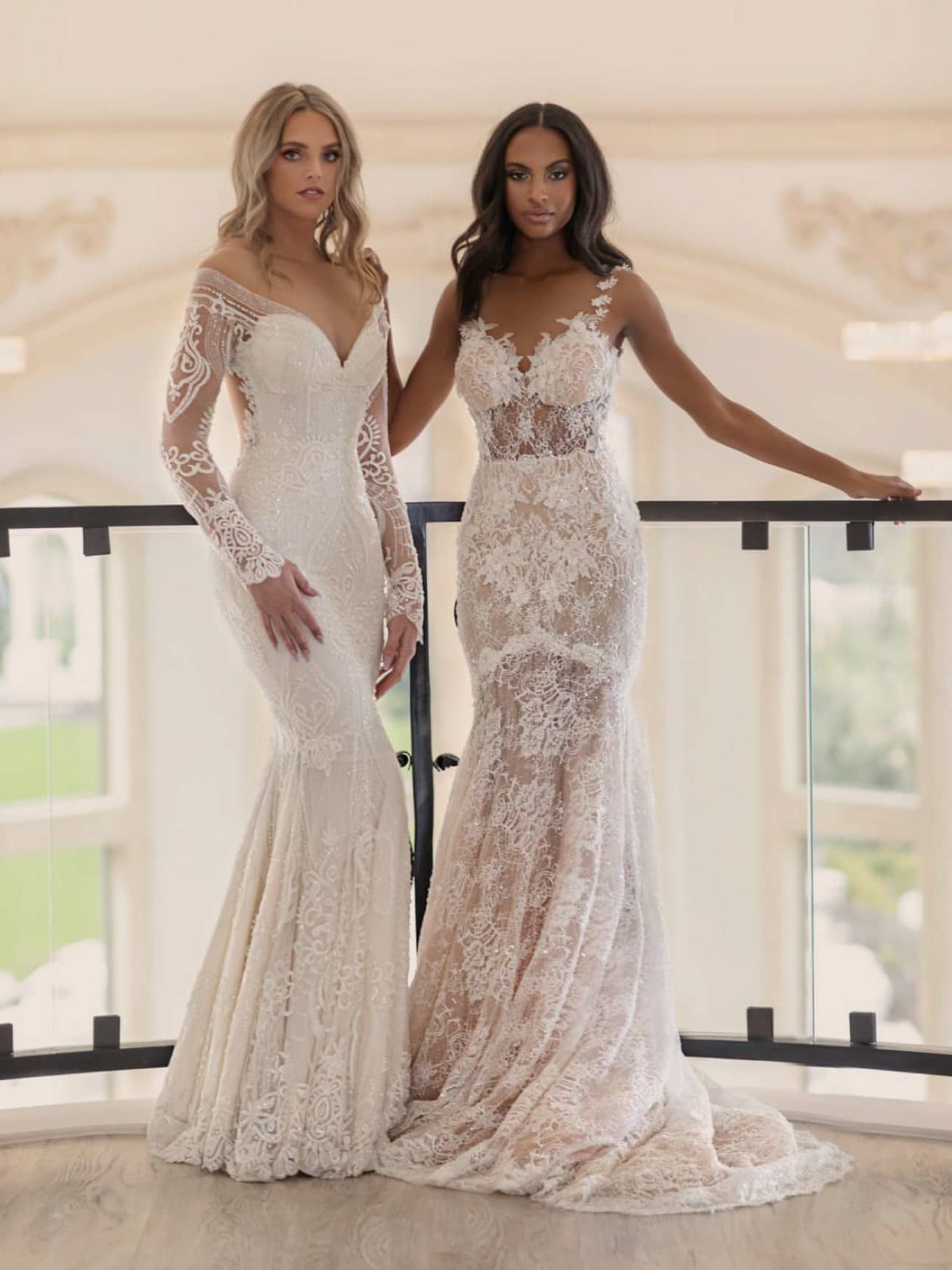
Illusion necklines are among the most delicate bridal alterations because they combine sheer mesh with embroidery, lace, beadwork, and skin-tone matching.
The complexity depends on:
- Lace density
- Mesh color
- Beadwork integration
- Hand-sewn embroidery placement
Critical Warning: Cheap mesh replacements are immediately visible in professional wedding photography. High-end bridal ateliers use illusion fabrics specifically matched to skin undertones and lighting conditions.
Illusion neckline work is labor-intensive and often hand-finished.
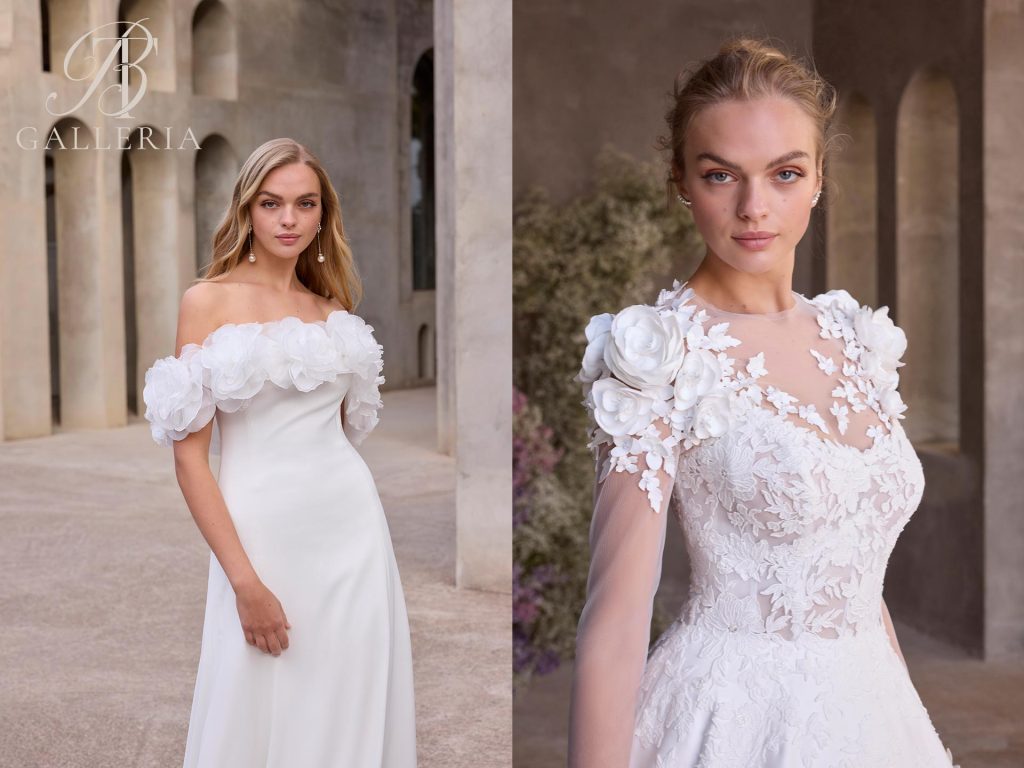
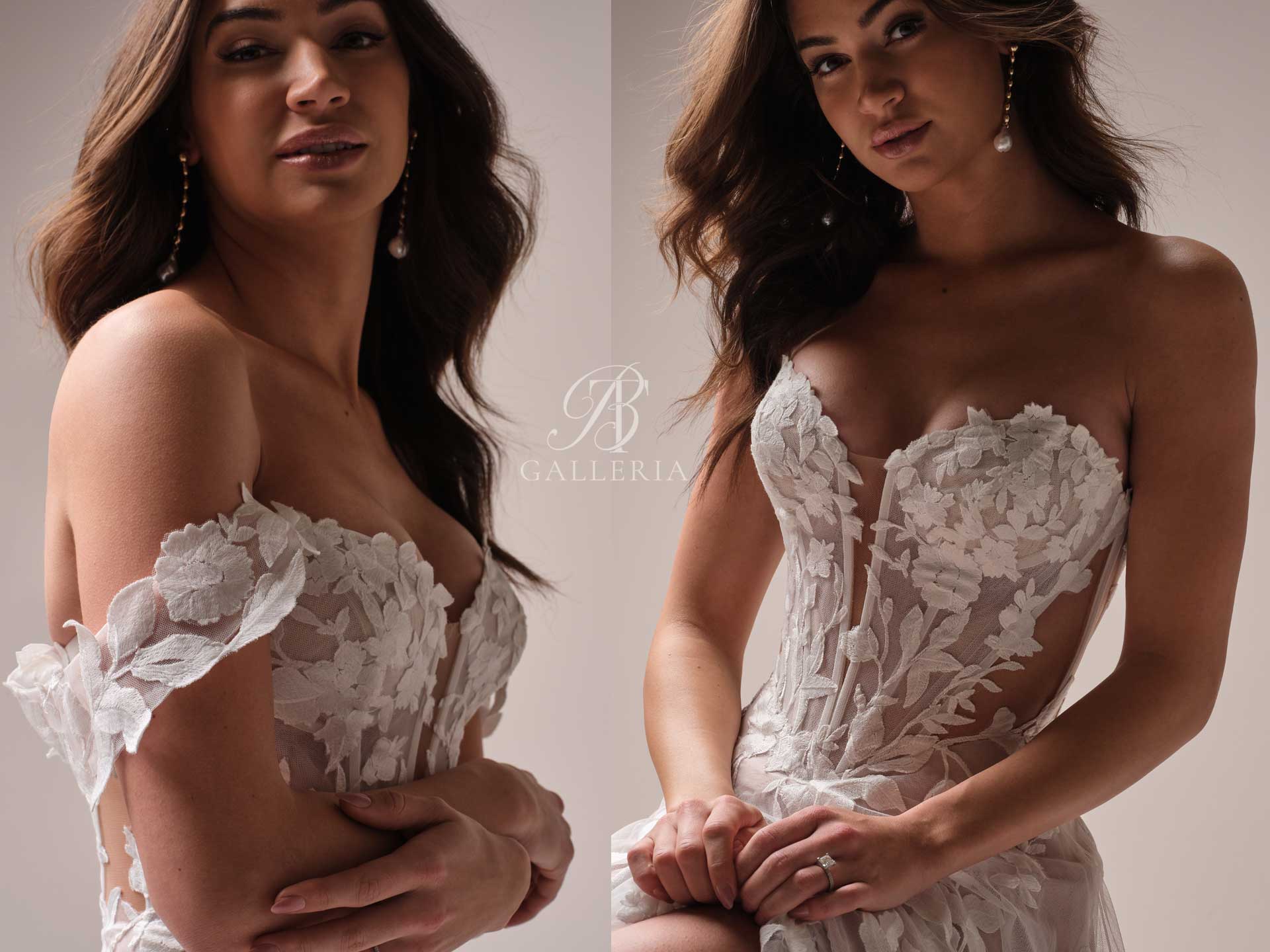
Off-the-Shoulder Neckline Refinement
Off-the-shoulder gowns create romantic softness, but many brides struggle with slipping sleeves or restricted arm movement.
Professional alterations typically address:
- Sleeve tension
- Elastic support
- Mobility range
- Shoulder balance
An experienced bridal tailor knows how to maintain the “floating” visual effect while quietly reinforcing the structure underneath.
Factors to Consider Before Altering Your Wedding Dress Neckline
Before jumping into wedding dress neckline alterations, there are several factors you should keep in mind. These considerations will help ensure that the alteration process goes smoothly and that you achieve the best results.
Body Shape and Neckline Suitability
Your body shape plays a significant role in determining which neckline will be most flattering. For example, sweetheart necklines work well for brides with fuller busts, while boat necklines flatter brides with narrower shoulders. An experienced seamstress can help guide you in choosing a neckline that complements your figure.
Wedding Dress Fabric and Alteration Limitations
Certain fabrics are easier to alter than others. For instance, lace and tulle may require more delicate handling, while satin and silk allow for easier adjustments. Knowing the fabric of your dress and the associated limitations will help manage your expectations when discussing neckline alterations with your seamstress.
Complexity of the Alteration
Some neckline alterations are more complex than others. Completely transforming a neckline from a high-neck to a deep V-neck requires more time, expertise, and sometimes additional materials, such as lace appliques or straps. Simple adjustments, like raising a neckline, are typically more straightforward.
Wedding Dress Neckline Alteration Process
Understanding the process of wedding dress neckline alterations can help alleviate any concerns and ensure you’re prepared for what to expect.
The Real Timeline for Wedding Dress Neckline Alterations
One of the biggest bridal mistakes is assuming neckline work can be done quickly.
Recommended Bridal Alteration Timeline
1. Initial Consultation (3–6 Months Before Wedding)
During the first fitting, your seamstress evaluates:
- Fabric behavior
- Internal construction
- Existing boning
- Lace placement
- Feasibility of requested changes
This stage determines whether the alteration is cosmetic or structural.
2. Structural Fitting (8–12 Weeks Before Wedding)
This is where major neckline shaping begins.
The tailor may:
- Pin the neckline
- Adjust bust support
- Reposition cups
- Test movement and posture
Bring your actual wedding bra or shapewear to this appointment.
3. Precision Fitting (4–6 Weeks Before Wedding)
Fine-tuning begins here.
This appointment focuses on:
- Symmetry
- Comfort while sitting and dancing
- Cleavage positioning
- Strap pressure
- Final lace balancing
4. Final Fitting (1–2 Weeks Before Wedding)
At this stage, only micro-adjustments should remain.
Your gown should already feel fully wearable and stable.
Brides who wait until the final month for neckline redesigns often face rush fees, fabric limitations, and reduced customization options.
Initial Consultation with a Seamstress
The first step is scheduling an appointment with a skilled bridal seamstress who specializes in wedding gown alterations. During this consultation, you’ll try on the dress, discuss your desired changes, and receive professional advice on what’s possible. The seamstress may also take measurements and inspect the gown’s structure and fabric to determine the scope of the work.
Fitting and Adjustments
Once you’ve decided on the alterations, the seamstress will begin the fitting process. This may involve pinning the dress to show where changes will be made. Depending on the complexity, you may need multiple fittings to ensure that the alterations are perfect. Make sure to bring any undergarments or accessories you plan to wear on your wedding day to these appointments.
Final Touches and Completion
After the alterations are complete, you’ll have a final fitting to ensure everything is in place. If minor tweaks are needed, your seamstress will make the necessary adjustments before the gown is ready for pickup.
The Biggest Technical Challenges Brides Don’t See
Internal Structure Can Collapse
Many gowns rely on the neckline shape to maintain upper bodice stability. Lowering or reshaping the neckline may weaken:
- Boning tension
- Bust lift
- Strap alignment
- Waist stability
Without internal reconstruction, the dress may slide downward throughout the event.
Lace Placement Must Be Rebalanced
In couture bridal design, lace placement is intentional. Altering the neckline can interrupt symmetry across:
- Floral appliqués
- Beaded motifs
- Illusion patterns
- Shoulder detailing
Experienced bridal seamstresses often remove and hand-replace lace after reconstruction.
Some Fabrics Show Every Needle Mark
Silk mikado, satin, crepe, and charmeuse can permanently reveal old stitching holes.
This matters because dramatic neckline redesigns may expose prior seam placements.
Certain gowns can only tolerate limited revisions before fabric damage becomes visible.
Strapless Conversions Are Not Always Safe
Many brides request removing straps entirely.
Whether that is possible depends on:
- Corset structure
- Cup engineering
- Fabric weight
- Bust size
- Boning quality
A poorly supported strapless conversion can lead to constant pulling, discomfort, and visible shifting in photos.
How Much Do Wedding Dress Neckline Alterations Cost?
Pricing depends heavily on fabric complexity and internal reconstruction.
Average Bridal Neckline Alteration Costs
| Alteration Type | Estimated Price |
|---|---|
| Minor neckline raise | $100–$250 |
| Adjusting plunge depth | $200–$600 |
| Lace neckline reshaping | $300–$800 |
| Illusion neckline rebuild | $400–$1,000+ |
| Strapless conversion | $500–$1,500+ |
| Custom neckline redesign | $700–$2,000+ |
Luxury couture gowns with hand-beading or imported lace often require substantially more labor.
How to Choose the Right Seamstress for Wedding Dress Neckline Alterations
Choosing the right seamstress is crucial to ensuring your wedding dress fits perfectly and your alterations meet your expectations.
Check Reviews and Recommendations
Ask friends, family, or bridal shops for recommendations. Reading reviews online or browsing portfolios can also give you insight into the quality of work a seamstress provides. A well-reviewed seamstress with bridal expertise is more likely to deliver exceptional results.
Ask About Experience with Neckline Alterations
Not all seamstresses specialize in neckline alterations. Make sure to inquire about their experience with the specific changes you want. Request to see examples of their previous work to gauge their skill level.
Communicate Your Vision Clearly
The key to successful wedding dress neckline alterations is clear communication. Be sure to discuss your vision with the seamstress, including any preferences for how you want the neckline to fit or look. Bringing photos or inspiration can also help.
Tips for a Perfectly Altered Wedding Dress Neckline
To ensure the perfect neckline for your wedding day, follow these tips:
- Start Early: Give yourself plenty of time for alterations to avoid rushing through the process.
- Bring Accessories: Bring your veil, jewelry, and undergarments to fittings to see how they work with the neckline.
- Trust the Expert: Listen to your seamstress’s advice; they’ll know how to make adjustments that enhance your dress and comfort.
Ask These Questions Before Booking
Have You Worked on Similar Neckline Changes?
Ask for real examples , especially if your gown includes:
- Illusion mesh
- Corsetry
- Heavy beading
- Structured satin
- Strapless architecture
Do You Handle Alterations In-House?
Some boutiques outsource alterations to third-party contractors.
In-house bridal tailoring teams typically offer:
- Better continuity
- Faster communication
- Multiple fitting coordination
- Cleaner accountability
What Happens if the Structure Needs Rebuilding?
Experienced bridal seamstresses will explain:
- Whether additional cups are needed
- If boning must be replaced
- How support changes affect the fit
- Whether extra fittings may be required
Transparent communication is a strong trust signal.
Expert Tips for Flawless Neckline Alterations
Bring Your Full Bridal Styling Vision
Your neckline affects:
- Earrings
- Necklace shape
- Veil placement
- Hairstyle balance
- Shoulder visibility
Bring accessories to fittings whenever possible.
Do Not Crash Diet Before Final Fittings
Even small weight fluctuations affect neckline tension and bust support.
This is especially true for:
- Strapless gowns
- Illusion bodices
- Corseted dresses
- Deep plunge silhouettes
Walk, Sit, and Dance During Fittings
A neckline that looks perfect while standing still may shift during movement.
Always test:
- Sitting
- Hugging
- Raising arms
- Dancing
- Deep breathing
Real bridal comfort matters more than static mirror appearance.
FAQs
A skilled seamstress can often transform the neckline to meet your vision. However, some dresses may have structural limitations, so discussing the feasibility of drastic changes during your initial consultation is essential.
Most brides will need two to three fittings, depending on the complexity of the alteration. Your seamstress will advise you if additional fittings are necessary.
Always bring the undergarments, shoes, and accessories you plan to wear on your wedding day. This ensures that the neckline fits correctly with all elements in place.
Yes, but altering lace or beaded necklines requires extra care and precision. Due to the delicate nature of the fabrics, expect these alterations to take a little longer.
If you change your mind, speak to your seamstress immediately. While some alterations can be reversed or further adjusted, others may not be feasible depending on the design and fabric.
Conclusion
At Bridal and Tuxedo Galleria, we understand the importance of creating the perfect wedding dress that reflects your unique style and personality. Our expert seamstresses are dedicated to providing impeccable wedding dress neckline alterations, ensuring that your gown fits flawlessly and enhances your beauty on your special day.
Whether you’re looking for a subtle change or a dramatic redesign, we have the skills and experience to bring your vision to life. Trust us with your wedding dress alterations, and walk down the aisle with confidence, knowing your dress is perfectly tailored to you. Book an appointment today.
Call Now

Your Personalized Wedding Dress Shopping Experience in San Diego With over 30 years of styling expertise, our dedicated team is passionate about helping you find the perfect wedding dress and tuxedo.


Leave a Reply