
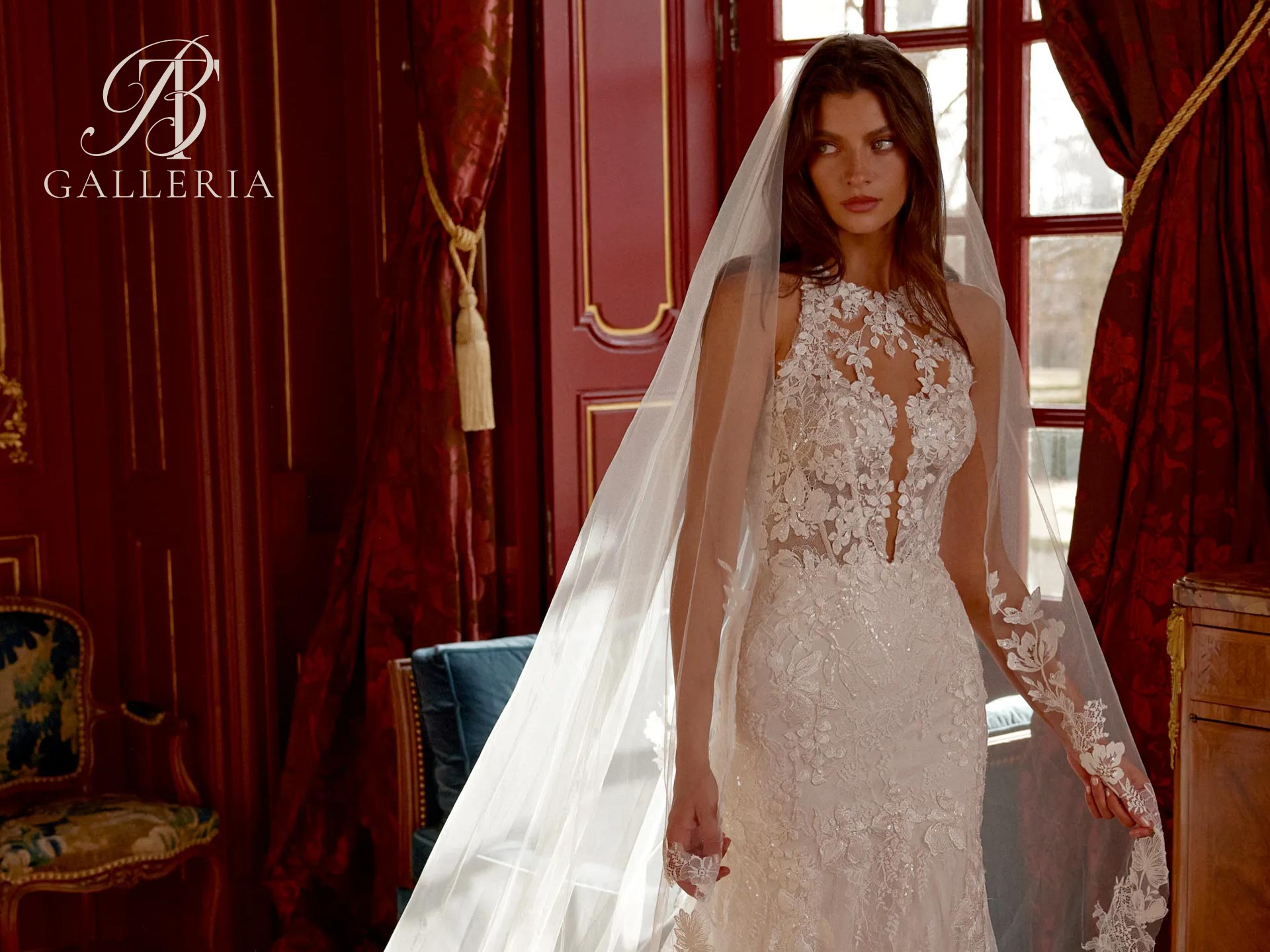
12 Wedding Dress Alteration Ideas for 2026
The best wedding dress alteration ideas for 2026 combine personalization with practical fit. Brides are requesting custom necklines, detachable sleeves, improved corsetry, sculpted waistlines, convertible reception details, hand-placed appliqués and bustles designed around how they will actually move on their wedding day.
However, a successful alteration should do more than follow a trend. It must protect the gown’s structure, complement your proportions and help you feel secure from the ceremony through the final dance.
At Bridal & Tuxedo Galleria in San Diego, our in-house alteration specialists work with designer gowns, sample dresses and couture creations—including gowns purchased from another bridal boutique. With more than 30 years of bridal experience, the team can evaluate what is possible before work begins and coordinate fit, customization and finishing in one location.
30+ Years of Bridal Expertise | In-House Alterations | Designer and Couture Gowns | Custom Bridal Design
Book Your Wedding Dress Fitting
Explore BTG’s wedding dress alteration services in San Diego
Quick Guide to 2026 Wedding Dress Alteration Ideas
| Alteration idea | Primary benefit | Typical complexity |
|---|---|---|
| Internal corsetry and bust support | Security, shape and comfort | Moderate to high |
| Custom neckline | Personalized coverage and proportion | Moderate to high |
| Detachable sleeves | Ceremony-to-reception versatility | Moderate to high |
| Strap or off-the-shoulder details | Support and visual balance | Moderate |
| Waistline and bodice refinement | A more intentional silhouette | Moderate to high |
| Precision hemming | Safe, graceful movement | Moderate |
| Custom bustle | Easier reception movement | Moderate to high |
| Detachable overskirt or train | Two bridal looks in one gown | High |
| Corset-back conversion | Fit flexibility and visual detail | High |
| Lace and appliqué placement | Couture personalization | High |
| Heirloom fabric integration | Meaningful personal detail | High |
| Minimalist fit refinement | A clean, sculpted finish | Moderate to high |
The difficulty of each alteration depends on the gown’s seams, fabric, boning, lace, beadwork and available seam allowance. A fitting consultation is the safest way to determine what can be completed without compromising the original design.
Why Wedding Dress Alteration is Essential
Finding the perfect wedding dress is just the beginning of your bridal journey. After selecting the gown, alterations come next.
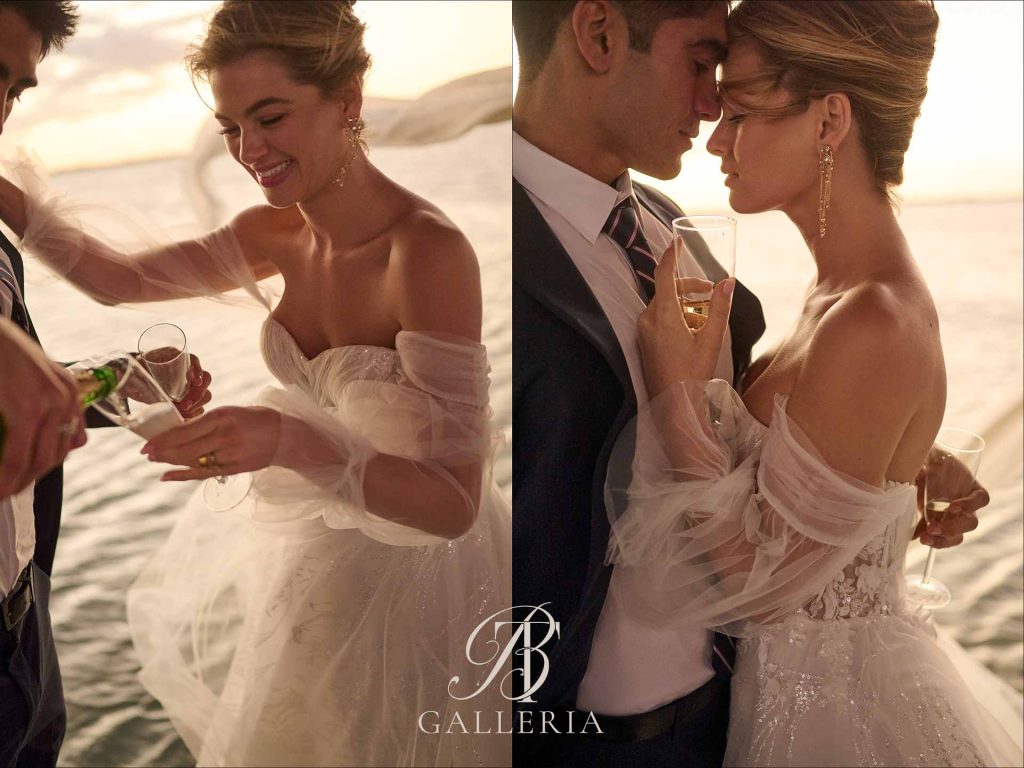
A well-tailored wedding dress can transform a beautiful gown into a masterpiece. Whether it’s a minor tweak or a major adjustment, alterations ensure your dress complements your body shape, enhancing your comfort and confidence.
Wedding dress alteration allows brides to personalize their gowns, transforming them from off-the-rack pieces into bespoke creations. Whether adjusting the length, altering the bodice, or incorporating intricate designs, customization is key to achieving the perfect fit and look.
Minimalistic Tailoring for Sleek Designs
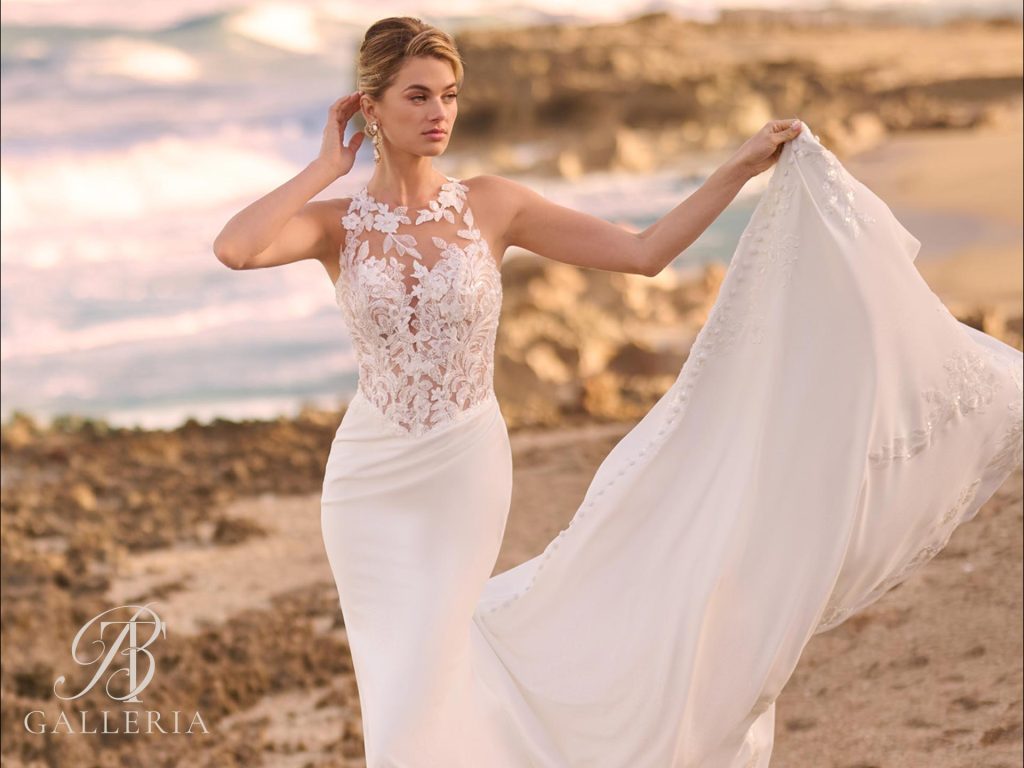
One of the significant trends expected in 2026 is minimalistic tailoring. Clean lines, sharp cuts, and seamless alterations will be in high demand. Brides are moving away from overly embellished gowns, opting for a sleek, modern look that enhances their natural beauty. This requires alterations that focus on precision, ensuring that every stitch fits flawlessly with the bride’s silhouette.
Adding Statement Sleeves
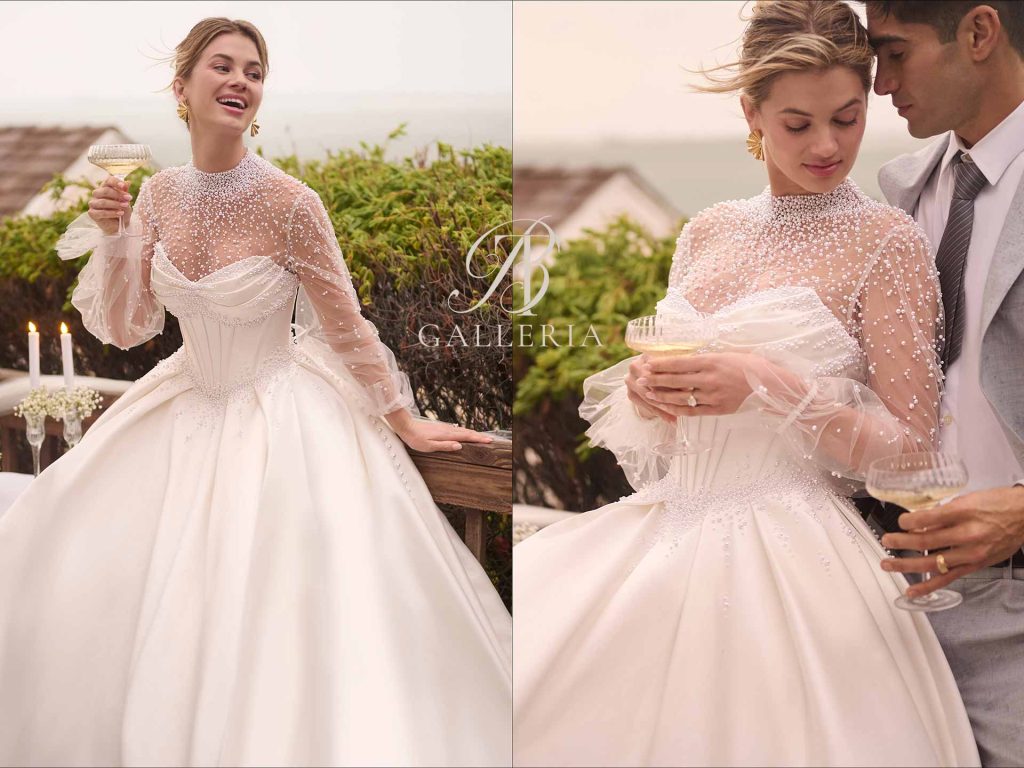
In 2026, statement sleeves will continue to reign supreme. From puff sleeves to detachable options, this trend allows brides to make a bold statement while keeping the option to remove or tone down the look for the reception. Tailoring your dress to incorporate detachable sleeves can give you two different looks for the price of one, making it an efficient and stylish choice.
Incorporating Unique Embellishments
Another popular wedding dress alterationidea for 2026 is the incorporation of unique embellishments. Brides are expected to customize their gowns with personal touches, such as lace from a family heirloom, hand-sewn beads, or colorful embroidery. This creates a one-of-a-kind gown that is not only visually stunning but also emotionally significant.
1. Add Internal Corsetry and Personalized Bust Support
One of the most valuable 2026 alterations is also one of the least visible. Properly fitted cups, boning and internal corsetry can help the gown remain secure without uncomfortable compression or constant repositioning.
This is particularly important for strapless gowns, deep necklines, low backs and dresses made from fluid fabrics. Internal support must be designed around the bodice’s existing structure rather than added as a one-size-fits-all component.
During your fitting, walk, sit, raise your arms and turn in the gown. A dress that looks secure while standing still may behave differently once you begin moving.
2. Reshape or Personalize the Neckline
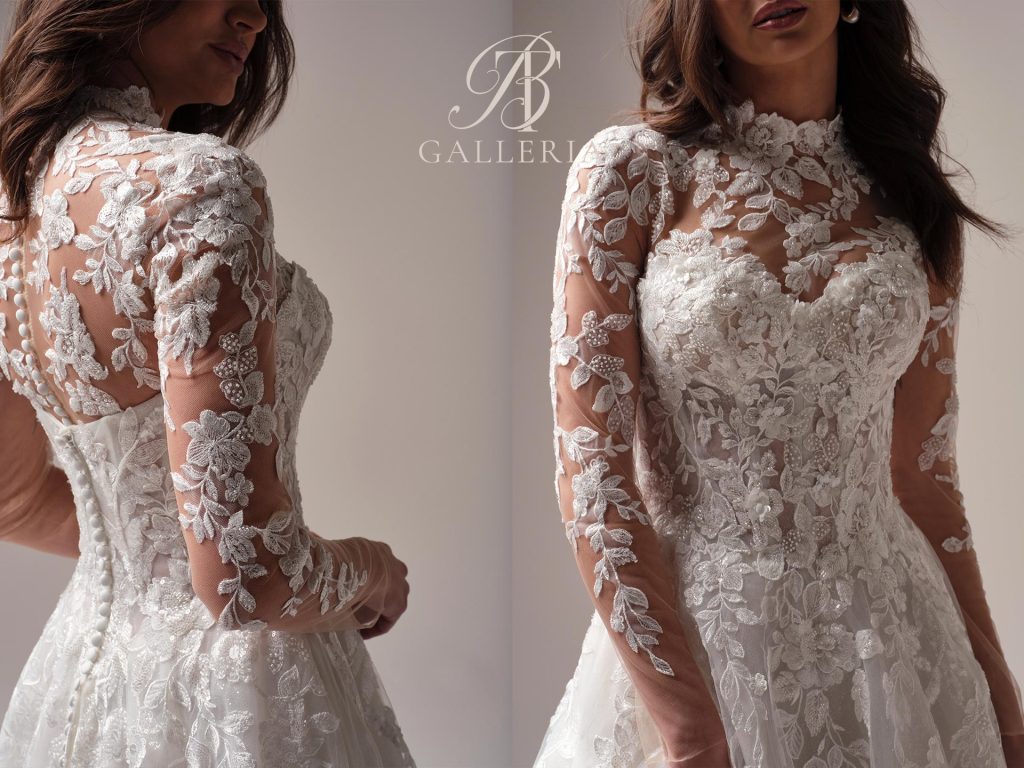
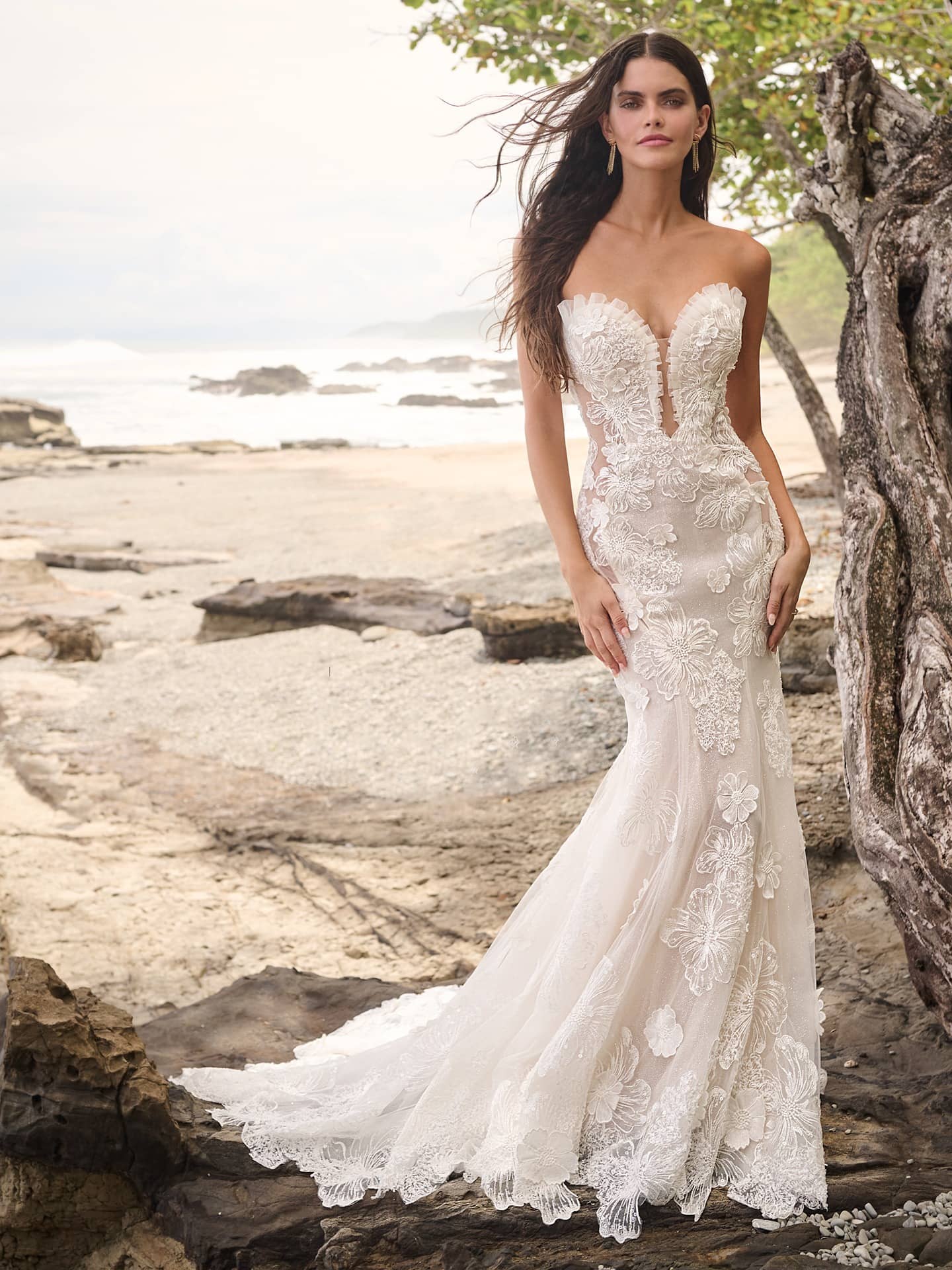
A neckline alteration can change how a gown frames your face, collarbone and shoulders. Brides may raise a deep plunge, soften a sweetheart curve, add illusion mesh or transform a straight neckline into a more sculpted shape.
These alterations can be more complex than they appear because the neckline is connected to the cups, boning, straps and overall bodice tension. Read BTG’s complete wedding dress neckline alterations guide before deciding on a major transformation.
3. Add Detachable Statement Sleeves
Detachable sleeves continue to be one of the most versatile wedding dress alteration ideas for 2026. They can create a more formal or romantic ceremony look and then be removed for greater freedom during the reception.
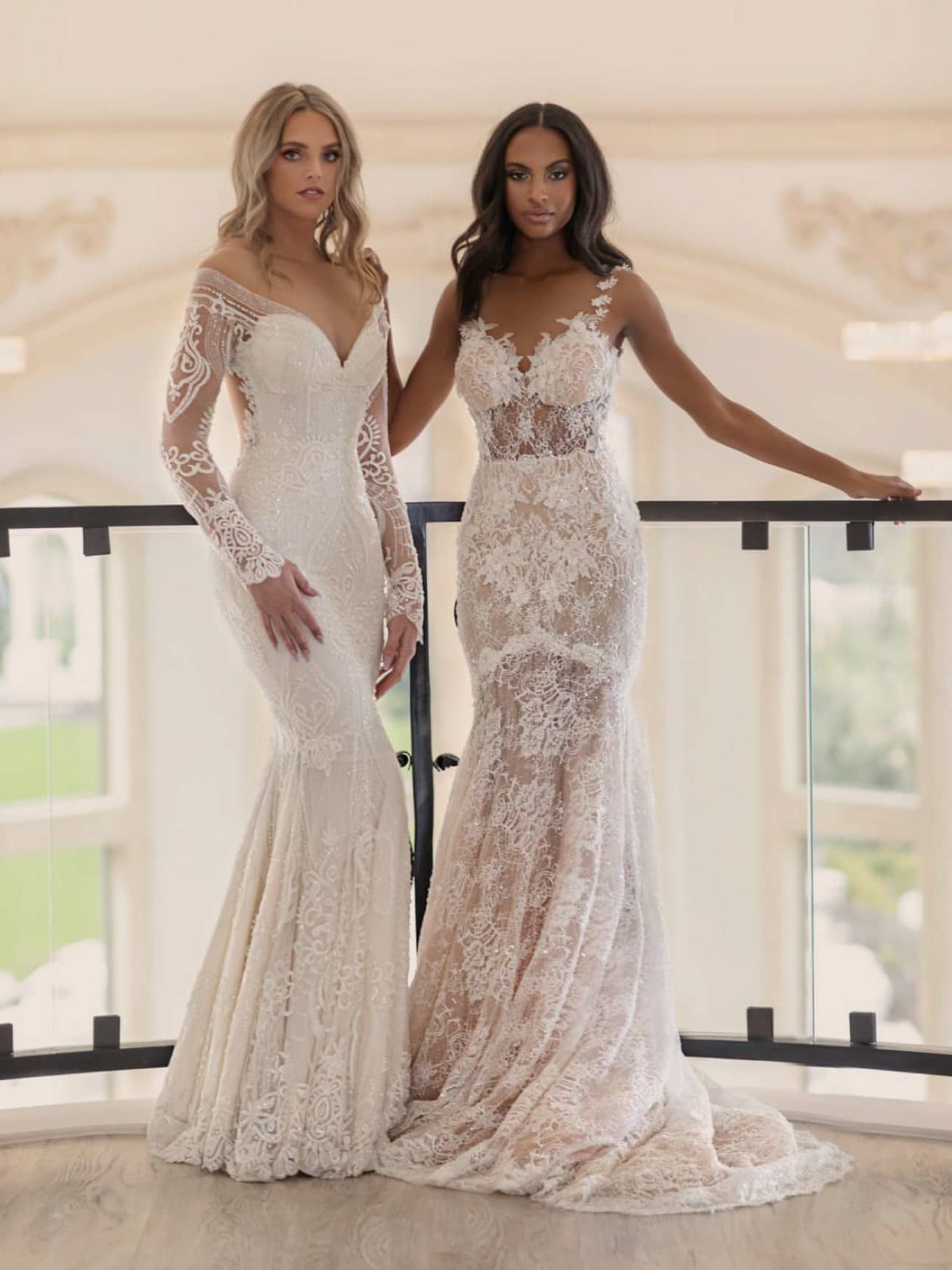
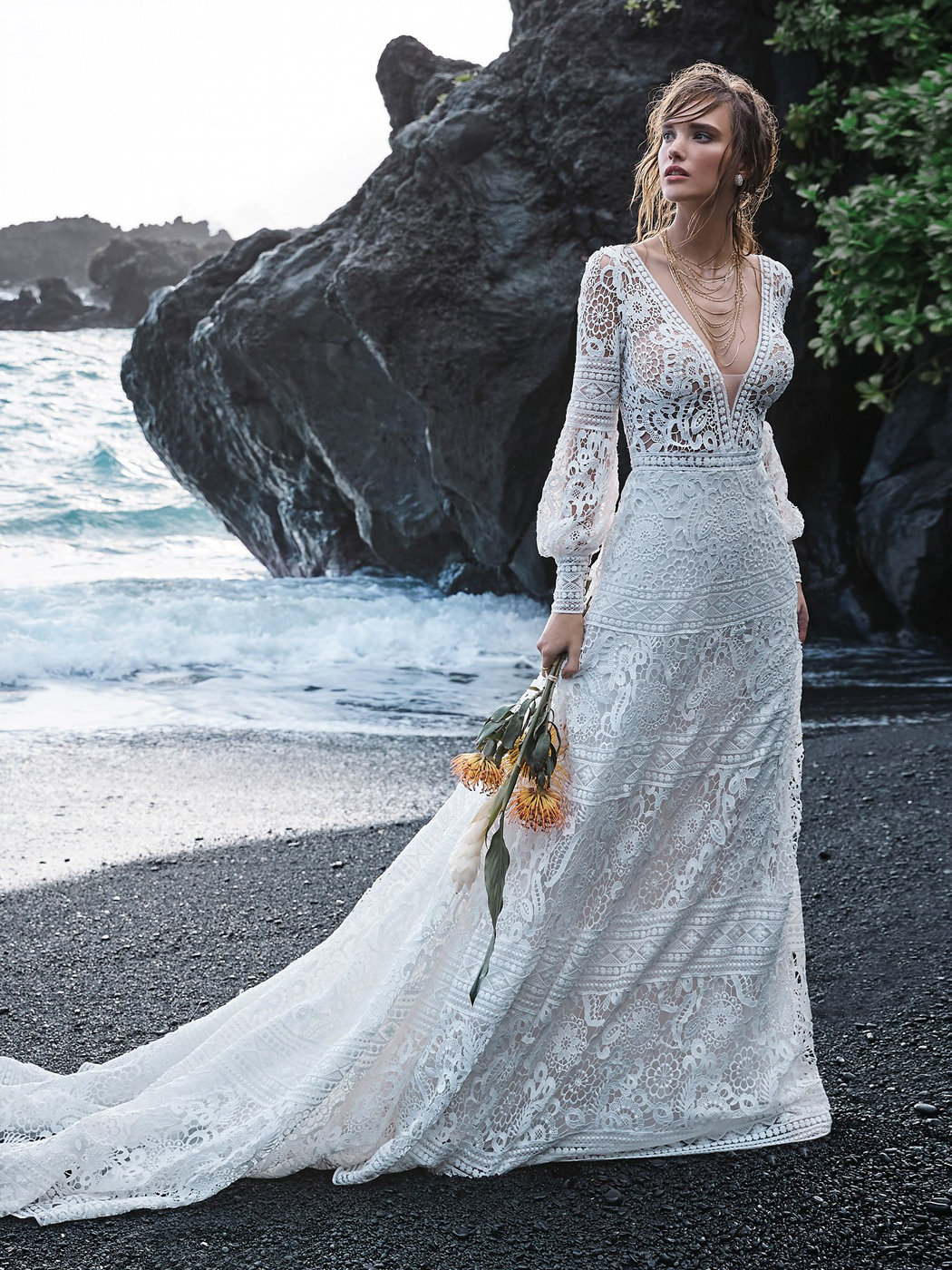
Popular possibilities include sheer lace sleeves, fitted long sleeves, soft draped sleeves, off-the-shoulder pieces and dimensional floral designs. Attachment points should be discreet, secure and tested through full arm movement.
For the most cohesive result, the sleeve fabric and appliqués should relate naturally to the original gown.
4. Refine Straps or Create Off-the-Shoulder Details
Straps influence more than coverage. Their width, angle and placement affect bust support, shoulder balance and how the neckline sits.
A bridal specialist may shorten existing straps, reposition them, widen them for support or create new straps using matching lace or fabric. A strapless gown may also be personalized with removable off-the-shoulder pieces.
The finished design should appear intentional—not like an accessory was added after the gown was completed.
5. Sculpt the Bodice and Waistline
Small adjustments to the bodice can significantly improve the gown’s proportions. Taking in the waist, refining the side seams or repositioning where the skirt begins can create a more balanced silhouette.
Brides interested in a Basque or dropped-waist effect should have the gown’s structure evaluated carefully. Some waistline changes require substantial pattern and corsetry reconstruction and may belong within a custom wedding dress design process rather than standard alterations.
You can also explore how waist construction appears in BTG’s 2026 wedding dress trend guide.
6. Perfect the Hem for Your Shoes and Venue
Hemming is not simply cutting excess fabric from the bottom of a dress. A wedding gown may include several skirt layers, horsehair edging, lace borders, beadwork or appliqués that must be removed and repositioned.
Bring your actual wedding shoes to the first fitting. Even a small change in heel height can affect how the dress falls and whether the hem clears the floor safely.
Your venue also matters. A hem designed for a ballroom may require different clearance than one intended for grass, stone pathways or a San Diego beach ceremony.
7. Create a Custom Wedding Dress Bustle
A bustle lifts and secures the train after the ceremony, helping you walk, mingle and dance more comfortably. American, French, ballroom and custom combination bustles each produce a different appearance.
The right bustle depends on the train’s length, fabric, weight, number of layers and decorative placement. Heavy or asymmetrical trains may need multiple attachment points to distribute weight securely.
Use BTG’s guide to wedding dress bustle types to compare the main options before your fitting.
8. Add a Detachable Overskirt or Convertible Train
A detachable overskirt allows a bride to create the drama of a ball gown for the ceremony and reveal a slimmer silhouette for the reception.
This alteration works best when the overskirt’s waistband, closure and fabric are coordinated with the original gown. The attachment should remain hidden in photographs while still being easy to remove.
A convertible train can provide a similar transformation, but the gown must be assessed for weight, balance and attachment strength.
9. Convert a Zipper Back Into a Corset Back
A corset-back conversion can introduce fit flexibility while adding a romantic design element. It may be useful when a gown cannot be comfortably let out through its existing seams.
This is not appropriate for every dress. The alteration can affect the bodice structure, back width, bust support and alignment of lace or beadwork. An experienced bridal tailor should evaluate whether the conversion will preserve the intended silhouette.
10. Reposition Lace, Beading or Floral Appliqués
Hand-placed appliqués can make an existing gown feel more personal and couture. They may be used to soften a neckline, transition into a sleeve, create coverage or add dimensional detail to a skirt.
A strong result depends on scale, spacing and pattern continuity. Lace motifs should appear to grow naturally across the gown rather than look randomly attached.
Designer and couture dresses require particular care. Learn how BTG approaches designer gown alterations while preserving the original shape.
11. Incorporate Heirloom Fabric or Meaningful Details
A piece of a parent’s wedding gown, vintage lace, embroidered initials or a meaningful fabric detail can be integrated into a modern wedding dress.
Depending on the material, the heirloom element might be placed inside the bodice, incorporated into a sleeve, used as a veil detail or transformed into a subtle appliqué.
Older textiles can be fragile, so they should be evaluated before cutting or stitching begins. When direct integration is unsafe, a designer may be able to recreate the motif using a stronger material.
12. Use Minimalist Tailoring for a Sculpted Finish
Minimal wedding dresses require exceptional precision because there is little embellishment to disguise an uneven seam, poorly positioned waist or unbalanced hem.
For satin, Mikado, silk and crepe gowns, 2026 minimalist alterations focus on clean seam placement, smooth internal support and fabric that falls without pulling or twisting.
A seemingly simple gown may therefore require more exacting work than an embellished design. The objective is a finish that looks effortless while remaining secure and comfortable.
Alterations to Enhance Your Comfort on the Big Day
No bride wants to be weighed down by a train throughout the entire wedding reception.
Creating a bustle, where the train is gathered and pinned up, is one of the most common wedding dress alterations. It ensures brides can dance and move comfortably while still enjoying the elegance of their gown.
An often overlooked but crucial wedding dress alteration is adjusting the hemline. Whether you’re wearing heels or flats, the dress should fall at the perfect length to avoid tripping. This alteration is not only practical but also ensures the gown maintains its grace throughout the day.
Many modern gowns are designed without built-in support, which can make it challenging for some brides. In 2026, custom alterations will often include adding bodice support or bra cups to provide the necessary lift and comfort without the need for an additional undergarment. This alteration allows brides to feel secure and worry-free as they walk down the aisle.
Customizing Your Dress for Unique Style and Personalization
Personalizing the neckline is one of the top wedding dress alteration ideas for brides looking to make their gowns unique.
In 2026, we expect to see more brides opting to adjust necklines—whether raising, lowering, or reshaping them—to suit their personal style. A neckline alterationcan drastically change the vibe of a dress, whether you want to make it more modest or enhance its allure.
White may be the traditional wedding color, but 2026 brides are becoming bolder in their fashion choices. An exciting wedding dress alterationidea is to add subtle pops of color, such as pastel ribbons, embroidered flowers, or colored linings. This can make the dress truly stand out without overwhelming the classic bridal look.
Some brides want a complete transformation of their gown’s silhouette. Whether it’s changing a ball gown into a more fitted mermaid style or altering an A-line dress to be more voluminous, altering the silhouette is a dramatic way to personalize your dress. This type of alteration requires expert craftsmanship to ensure the dress maintains its structure while reflecting the bride’s vision.
Ensuring a Flawless Fit Through Tailoring
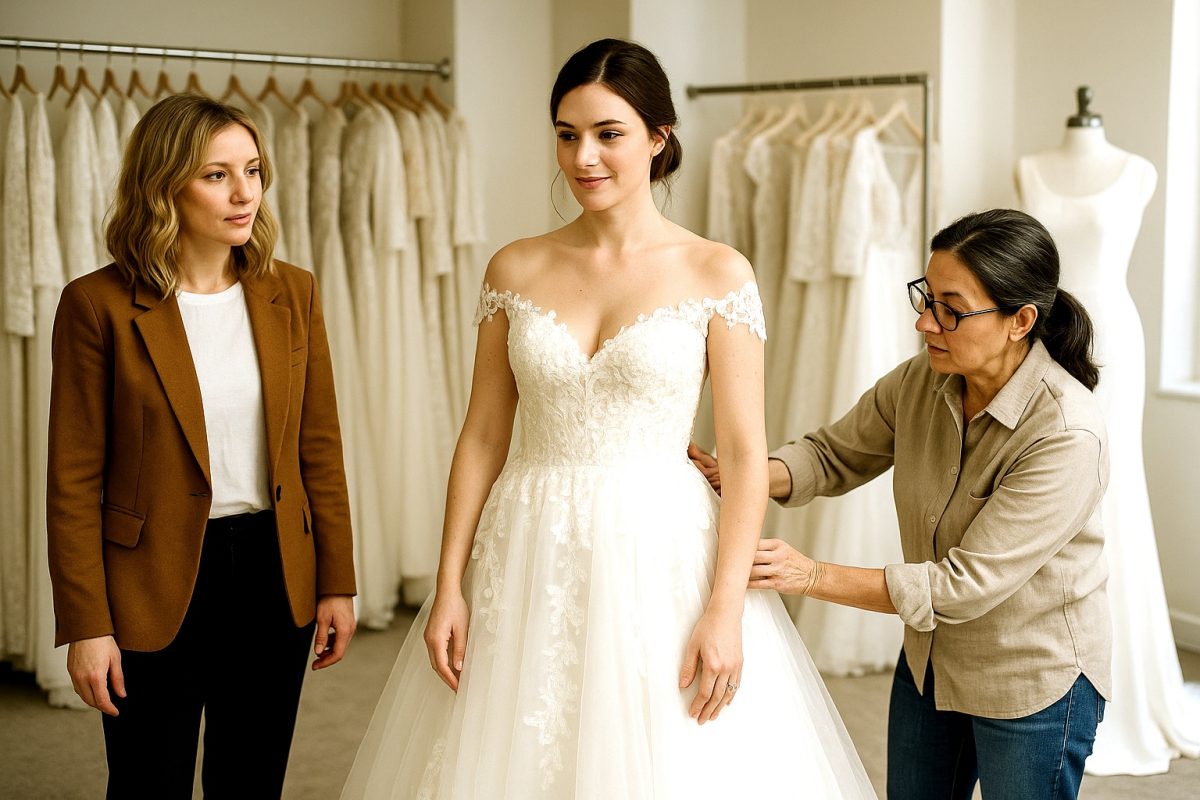
Resizing your dress to fit like a glove is an essential part of any wedding dress alteration process.
Whether you’ve lost or gained weight since purchasing your gown, skilled seamstresses can adjust the size to ensure the perfect fit. In 2026, many brides will prioritize comfort alongside style, and ensuring the dress fits their body shapeperfectly is crucial to achieving that balance.
Adjusting Waistlines
The waistline is one of the most important aspects of a wedding dress, as it defines the overall shape and flow of the gown. Adjusting the waistline, whether raising or lowering it, can highlight the bride’s figure and add to the gown’s elegance. A tailored waistline also ensures that the dress is both flattering and comfortable.
Taking in or Letting Out Seams
For brides who experience body changes leading up to their wedding, taking in or letting out seams is a critical alteration. The flexibility of seam adjustments ensures that the dress can be adapted as needed to provide the perfect fit, right up to the final fitting.
Expert Alteration Services for Wedding Dresses
Entrusting your wedding dress to the right seamstress is one of the most important steps in the alteration process.
Look for someone with experience in bridal tailoring, as wedding gowns require specific skills due to their intricate designs and delicate fabrics. Don’t be afraid to ask for portfolio examples and read reviews to ensure you’re in capable hands.
Timing Your Alterations
Timing is everything when it comes to wedding dress alterations. It’s advisable to schedule your first fitting at least three months before the wedding. This gives the seamstress ample time to complete the work and allows for any additional adjustments as needed. As a rule of thumb, most brides require 2-3 fittings to achieve the perfect fit.
Budgeting for Alterations
It’s important to factor the cost of alterations into your overall wedding budget. While simple adjustments like hemming and strap shortening are relatively affordable, more complex alterations such as changing the silhouette or adding embellishments can be more expensive. Brides in 2026 should plan accordingly to ensure they have room in their budget for the alterations they desire.
FAQs
Trendy alterations this year include minimalistic tailoring, statement sleeves, personalized necklines, built-in support, and subtle pops of color.
Plan your first fitting at least three months before your wedding. This gives enough time for adjustments and 2–3 follow-up fittings if needed.
Yes, you can transform a gown’s silhouette—from ball gown to mermaid or A-line to fitted. An experienced seamstress should do this complex alteration.
Alterations typically range from $100 to $600, depending on complexity. Factor this into your overall dress budget to avoid surprises.
Absolutely. Adding built-in support is a common 2025 alteration, especially for gowns without internal structure, helping ensure comfort and security.
Bring Your 2026 Wedding Dress Vision to Life
The right alterations can make your gown feel as though it was created around you. From essential fit adjustments to custom sleeves, necklines, appliqués and reception transformations, every decision should protect the gown’s craftsmanship while supporting your comfort.
Bridal & Tuxedo Galleria brings designer bridal styling, Navid Noor couture expertise and in-house alterations together in one San Diego bridal experience.
Ready to Create Your Perfect Fit?
Meet with BTG’s in-house alteration team to evaluate your gown, timeline and personalization ideas.
Book Your Wedding Dress Fitting
Explore In-House Alteration Services
Call Now

Your Personalized Wedding Dress Shopping Experience in San Diego With over 30 years of styling expertise, our dedicated team is passionate about helping you find the perfect wedding dress and tuxedo.


Leave a Reply